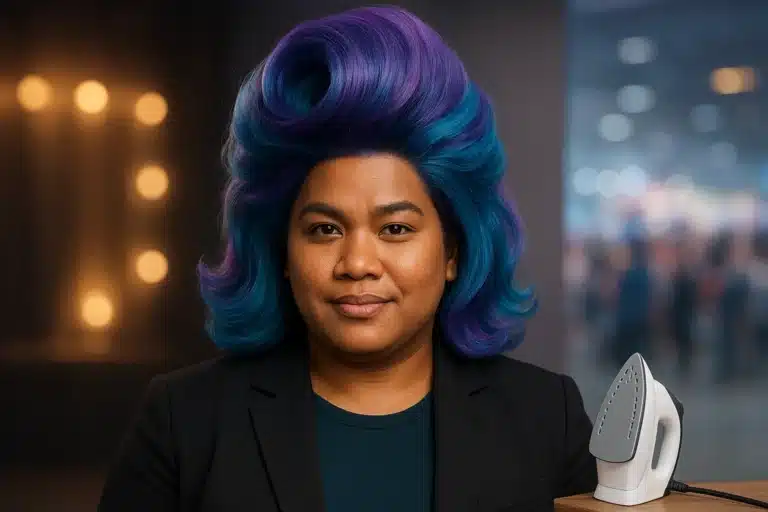
Stepping into the world of alternative hair can feel a bit like learning a new language. Whether you’re exploring options due to medical hair loss, thinning, or simply wanting to change up your everyday style, scheduling your first consultation is a massive, empowering step. But if you’re like most first-timers, you probably have a million questions about what actually happens behind those salon doors. You might be wondering how to find the right fit, whether the hair will look natural, or how you’ll possibly manage to wear it during a sweltering Texas summer.
Navigating the landscape of Austin-based hair solutions requires more than just a quick online search; it requires a roadmap. Before diving into your appointment details, you may want to explore The Ultimate Guide to the Best Wig Stores in Austin TX to understand which local boutiques align with your specific style and budget needs. This foundational knowledge ensures that your first consultation is productive, focused, and completely stress-free.
Let’s walk through exactly what you can expect during your first visit, demystify the terminology, and give you the tools to make a confident, informed decision.
The Arrival: Preparing for a Private, Empathetic Experience
The most common fear first-time buyers have is feeling exposed. A reputable Austin wig shop understands the deep emotional weight that often accompanies hair loss.
When you arrive, you shouldn’t be expected to try on hairpieces in the middle of a busy, public sales floor. Standard practice at high-quality boutiques involves escorting you to a private, comfortable consultation room. This ensures your dignity and privacy are protected while you openly discuss your needs.
What about the cost? In the Austin area, it is standard for boutiques to charge a consultation fee—typically around $50. However, this is rarely an out-of-pocket loss; most locations will graciously apply this fee directly toward your purchase if you decide to buy a wig that day.
The Discovery Phase: Translating Your Style Goals
Your consultant’s first job isn’t to start measuring your head; it’s to listen.
A great stylist will take a “conversation-first” approach, getting to know your lifestyle, your daily routine, and your aesthetic goals. To make the most of this phase, come prepared. Bring photos of your natural hair from before your hair loss began, or pull up Pinterest boards showcasing styles and colors you admire.
During this phase, you will hear a few technical terms. Here is a quick “Consultation Dictionary” to help you avoid expert blindness:
- Cap Construction: The base material that the hair is attached to.
- Monofilament (Mono): A sheer, breathable mesh that allows your natural scalp color to show through, giving the illusion of natural hair growth at the part.
- Lace Front: A nearly invisible sheer lace at the front hairline, allowing you to pull the hair back away from your face without it looking artificial.
- Hand-Tied: Each individual hair is manually tied to the cap, offering the most natural movement and the highest level of comfort.
The Science of Selection: Factoring in the Texas Heat
If you are shopping for wigs in Austin, TX, you face a unique environmental challenge: the relentless, 100-degree summer heat paired with unpredictable humidity.
Many first-time buyers don’t realize that the climate heavily dictates which wig will work best for them. Here is what your consultant should be discussing with you regarding climate-correct wig selection:
Breathability is Non-Negotiable
Machine-wefted caps (where hair is sewn in rows) are affordable and durable, but they can trap heat. For Austin summers, ask your consultant to show you fully hand-tied caps. Because there are no thick cotton wefts, air flows freely through the cap, keeping your scalp significantly cooler.
Synthetic vs. Human Hair in Humidity
High-quality synthetic hair has a built-in “style memory.” This means that even in 90% humidity down by Lady Bird Lake, a synthetic wig will hold its curl and resist frizzing. Human hair, while offering the most luxurious feel and styling versatility, reacts to Texas humidity exactly like biological hair—meaning it can frizz and requires regular restyling.
The Fitting Masterclass: Achieving the Perfect Placement
The difference between a wig that looks obvious and one that looks like your natural hair almost always comes down to proper placement.
During the fitting, your consultant will take precise measurements of your head circumference, front-to-back, and ear-to-ear dimensions. But the real “aha moment” comes when they teach you how to put the wig on yourself.
The Four-Finger Rule: One of the most common beginner mistakes is pulling the wig too far down on the forehead, instantly giving it an artificial look. Your consultant will likely teach you the “Four-Finger Rule.” Simply place four of your fingers horizontally flat against your forehead, with your pinky resting just above your eyebrows. Your index finger marks exactly where your natural hairline should begin. Aligning the lace front with this invisible line ensures a flawless, undetectable fit.
Navigating Medical Wigs and Insurance
If you are experiencing hair loss due to chemotherapy, alopecia, or another medical condition, your consultation will take a slightly different path.
In the medical community, these hairpieces are technically referred to as a cranial prosthesis. Why does this term matter? Because health insurance companies rarely cover “wigs,” but they frequently offer partial or full reimbursement for a “cranial prosthesis.”
During your consultation, ask if the boutique can provide you with an itemized receipt using the correct medical terminology and coding. You will also need a prescription from your oncologist or dermatologist explicitly stating your need for a cranial prosthesis.
Maintenance and Longevity: Busted Myths and Pro Tips
Before you leave with your new hair, your consultant will walk you through a care routine. There is a lot of misinformation on the internet about wig maintenance, and falling for DIY hacks can ruin a beautiful investment.
The Dawn Dish Soap Myth: If you’ve searched online for wig washing tips, you’ve likely encountered the wildly popular myth that Dawn dish soap is a great, affordable way to strip buildup from synthetic wigs. Please do not do this. Dish soap is formulated to strip heavy grease from pots and pans; it will permanently strip the protective coating from synthetic fibers, leaving them dry, brittle, and prone to severe tangling. Always invest in the professional, brand-specific shampoos and detanglers recommended during your consultation.
Your Consultation Checklist: Questions to Ask
To ensure you leave your appointment feeling completely confident, take this checklist of questions with you:
- Is this cap adjustable if my head swells or if I lose my biological hair?
- Which cap construction do you recommend specifically for breathability?
- What is the expected lifespan of this specific fiber with daily wear?
- Do you offer in-house trimming or customization to make the style suit my face shape?
- Can you provide the proper paperwork for my insurance claim?
Frequently Asked Questions for First-Time Buyers
Will people know it’s a wig?
No! When you combine high-quality features (like a lace front and monofilament top) with the correct “Four-Finger Rule” placement and a customized trim to frame your face, your wig will be virtually undetectable.
Can I wear this in 100-degree Austin heat?
Absolutely. While any head covering adds a layer of warmth, choosing a 100% hand-tied cap and utilizing specialized cooling cap liners can make wearing hair in the Texas heat entirely manageable and comfortable.
Does insurance cover my wig?
It heavily depends on your provider and policy. If your hair loss is medical, request a prescription for a “cranial prosthesis” (not a wig) from your doctor, and call your insurance provider to check your specific out-of-network durable medical equipment (DME) benefits.
Next Steps on Your Hair Journey
Your first wig consultation shouldn’t feel like a high-pressure sales pitch; it should feel like an educational, supportive workshop. By going in with a foundational understanding of cap constructions, local climate considerations, and the proper terminology, you transition from a nervous buyer into an empowered consumer.
Remember, finding the perfect hair is a journey, not a race. Take your time, ask questions, and prioritize your comfort and confidence above all else.
Ready to continue learning? Bookmark this guide for your upcoming appointment, and take a deep breath—you are exactly where you need to be, and beautiful, natural-looking hair is well within your reach.