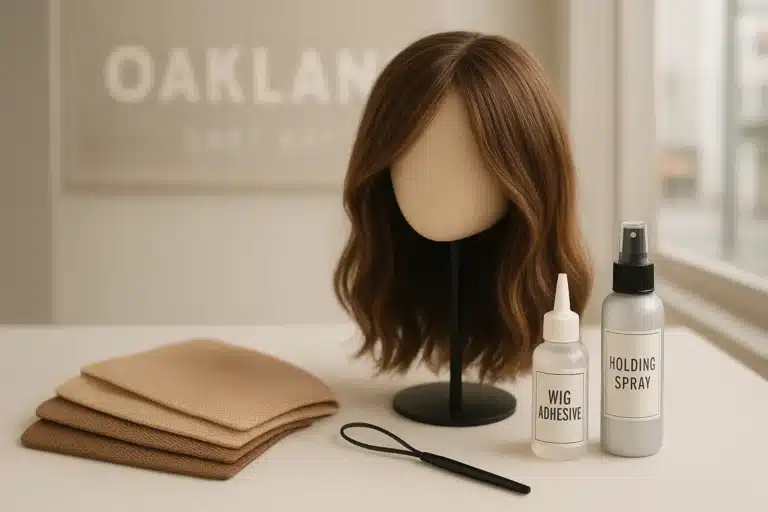
For many wig wearers in Utah, finding the perfect hairpiece is a life-changing moment. A premium wig represents far more than just a financial investment—it is a core piece of your daily confidence, identity, and comfort. But what happens when your favorite piece starts showing inevitable signs of wear, like a frayed lace front or a stretched-out cap?
Before you assume your piece is beyond saving and begin researching the best wig stores in Salt Lake City, UT to purchase a full replacement, take a deep breath. Many people don’t realize that specialized repair and customization services can breathe new life into their favorite existing pieces for a fraction of the cost of a brand-new unit.
Welcome to the world of professional wig restoration. Let’s explore the fascinating science behind how wigs are repaired, debunk some dangerous DIY myths, and highlight the local Salt Lake City experts who can help protect your investment.
The Anatomy of Wig Wear and Tear: Why Good Wigs Go Bad
Even the most meticulously maintained wigs experience structural fatigue over time. Understanding what is happening to your wig is the first step in knowing how to fix it.
Here are the most common issues that drive wearers to seek professional help:
- Lace Damage: The delicate mesh at the front of a lace wig can easily tear from accidental snagging, or from being trimmed too close to the hairline knots.
- Balding and Shedding: Constant brushing, friction, and washing can cause hair to pull free from the cap, leading to noticeable thin spots.
- Cap Stretching: Daily wear naturally relaxes the elasticity of the wig cap, causing it to slip and feel insecure.
- Synthetic Frizz: Friction against clothing breaks down the microscopic polymer structure of synthetic hair, creating a matted, frizzy appearance at the nape of the neck.
Professional Wig Repair vs. DIY Hacks: The Science of Restoration
When panic strikes over a torn lace or a frizzy synthetic unit, it’s tempting to turn to online tutorials. However, many DIY hacks—like boiling wigs, shrinking caps with hot water, or using household fabric glue—can completely destroy a premium piece.
Here is how professional stylists perform high-level wig repair, and why the “DIY route” often falls short.
The Science of Synthetic Frizz and the “Wig Oven”
A common myth is that washing a frizzy synthetic wig with dish soap or using a standard clothing steamer will restore its sleekness. In reality, synthetic hair is made of complex polymers that possess a “heat memory.” When friction distorts these fibers, they become permanently bent out of shape.
Professional wig salons, such as those right here in Utah, utilize a highly specialized piece of equipment known as a wig oven. This manufacturer-grade tool uses precisely controlled steam (typically around 195°F / 90°C) to safely relax the polymer bonds. This low-temperature, uniform wet heat eliminates frizz and resets curls without melting the fibers—something a home blow-dryer simply cannot safely achieve.
Lace Ventilation: The Secret to Fixing Bald Spots
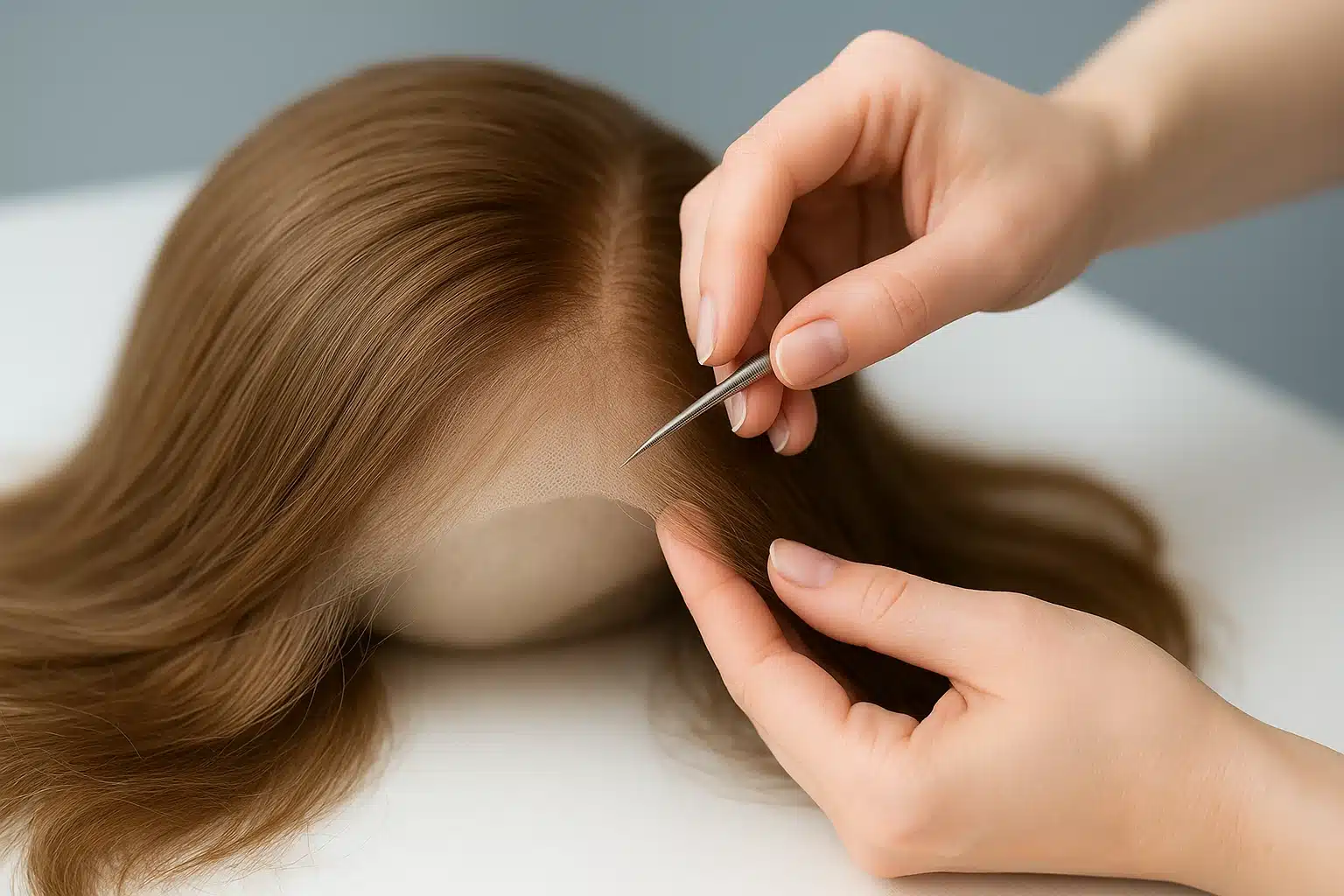
When a wig starts thinning, professionals don’t just glue new hair on top. They use a meticulous technique called ventilation, which involves hand-tying individual strands of hair back into the lace using a microscopic hook.
The technique varies depending on where the hair is being restored:
- Single Knots: Used primarily at the hairline. Because only one strand of hair is tied at a time, it creates an invisible, natural-looking transition. It’s the secret behind flawless custom wig styling.
- Double Knots (and the “Double N” Method): Used at the crown and base of the wig. Tying multiple strands with a double knot provides immense durability, ensuring the hair stays secure during brushing.
Stretched Cap Resizing
Can you shrink a stretched-out lace cap? A pervasive internet myth suggests soaking the wig in boiling water to shrink the elastic. Do not do this. Boiling water will melt synthetic fibers and permanently damage delicate HD lace.
Professional cap resizing is a physical alteration. A skilled stylist will carefully open the seams, remove the excess stretched material, and use structural stitches to sew the cap back together, restoring a snug, custom fit without exposing the hair to damaging heat.
Mending Torn Lace
If you accidentally rip your lace or trim a pre-cut lace wig too closely, put down the household fabric glue. Standard glues contain harsh chemicals that cause severe scalp irritation and dry into a hard, uncomfortable crust.
Professionals mend lace tears using ultra-fine nylon invisible thread, carefully stitching the broken mesh back together. If a patch is needed, they use medical-grade, water-based adhesives that are completely safe for sensitive scalps and remain flexible after drying.
Customization: Transforming a Good Wig into Your Perfect Hair
Sometimes, a wig isn’t damaged—it just doesn’t look quite right. Beginners often think a wig looks “fake” because of the hair fiber quality. In reality, the culprit is almost always density and the hairline transition.
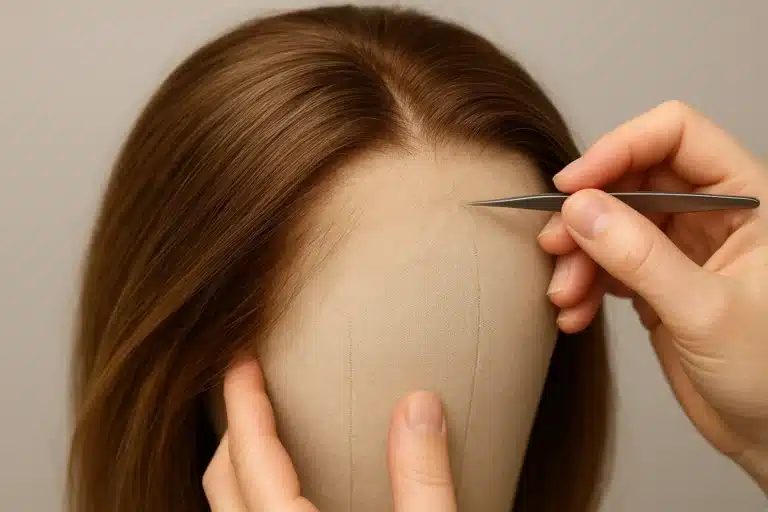
A wig fresh out of the box has uniform density, meaning it’s just as thick at the very front edge as it is in the back. Natural human hair, however, gradually gets thicker as you move away from the forehead. Professional wig customization involves a stylist carefully plucking the hairline to create a natural, graduated density. Combined with professional cutting to frame your specific face shape and thinning out bulk, this customization bridges the gap between wearing a wig and having your hair.
Top Salons for Wig Repair and Customization in Salt Lake City, UT
Salt Lake City is home to a robust community of compassionate, highly skilled wig experts. Whether you are managing medical hair loss or simply maintaining a fashion piece, these local institutions offer specialized care:
- Creative Wigs & Hair Replacement: With a legacy spanning over 60 years in Utah, they are deeply integrated into the community. They are one of the rare local salons featuring an in-house manufacturer-grade “wig oven” for unparalleled synthetic fiber restoration.
- Headcovers By Joni: Known for incredible empathy and expertise in medical hair loss, offering a safe, private environment for customization and structural repairs.
- Steve’s Style Setter & Lynne’s Wig Boutique: Excellent localized options offering personalized styling, thinning, and face-framing cuts to make any stock wig look fully custom.
- Hair Love Salon: A modern space offering custom lace wig styling and blending for those looking for seamless, undetectable natural hairlines.
Community Note: Many of these specialized Salt Lake City salons partner closely with medical centers like the Huntsman Cancer Institute, often offering 10% to 20% medical discounts for oncology patients. Always ask about medical support structures when booking your appointment.
Repair or Replace? The Cost-Benefit Matrix
How do you know when it’s time to invest in professional repair versus buying a new piece? Use this quick diagnostic checklist:
Consider Repairing If:
- The piece is a premium human hair wig with minor lace fraying.
- The synthetic fibers are frizzy at the nape but the cap is perfectly intact.
- The cap has stretched, but the hair density is still vibrant.
- The cost of the repair (usually re-knotting, patching, or oven-treating) is less than 40% of the replacement cost.
Consider Replacing If:
- A synthetic wig has been severely heat-damaged (melted) by home styling tools.
- The lace is extensively torn across the structural crown, not just the hairline.
- The wig has lost more than 40% of its overall hair density.
Frequently Asked Questions (FAQ)
Can a torn lace wig actually be repaired, or is it ruined?
It can absolutely be repaired! As long as the tear isn’t structurally massive, professionals can use fine nylon thread and medical-grade adhesives to seamlessly stitch the lace back together or add a delicate lace patch.
Why does my wig look fake or too bulky at the hairline?
Wigs often look “fake” due to density, not the hair itself. Factory wigs feature the same amount of hair at the hairline as they do in the back. A professional stylist can pluck the hairline and thin the bulk to mimic natural human hair growth patterns.
Is it safe to wash a synthetic wig with dish soap or use a home steamer on it?
No. Dish soaps can strip protective coatings, and home steamers or boiling water can warp or melt the polymer fibers. Synthetic frizz should be treated professionally in a temperature-controlled “wig oven.”
What is the difference between custom lace wig styling and a standard wig styling service?
Standard styling usually involves basic washing, setting, and trimming. Custom lace styling is far more intricate; it involves altering the physical structure of the piece, such as hand-plucking the hairline, bleaching the knots to match your scalp tone, and tailoring the lace to fit the exact contours of your forehead.
Can I fix a bald spot on my wig at home?
While you can buy ventilation needles online, re-knotting hair into delicate lace requires immense precision and an understanding of single versus double knots. Doing it improperly at home often leads to ripping the lace further, turning a minor bald spot into a major tear.
Taking the Next Step in Your Hair Journey
Your hairpiece is an investment in your well-being. By understanding the mechanics of wig wear and tear, and knowing that highly skilled professionals right here in Salt Lake City can mend, resize, and customize your pieces, you are empowered to make the best decisions for your hair journey.
Whether you’re deciding to restore an old favorite to its former glory or you’re finally ready to customize a piece so it feels perfectly “you,” the power of professional wig expertise cannot be overstated. Take care of your wig, and it will take beautiful care of you.