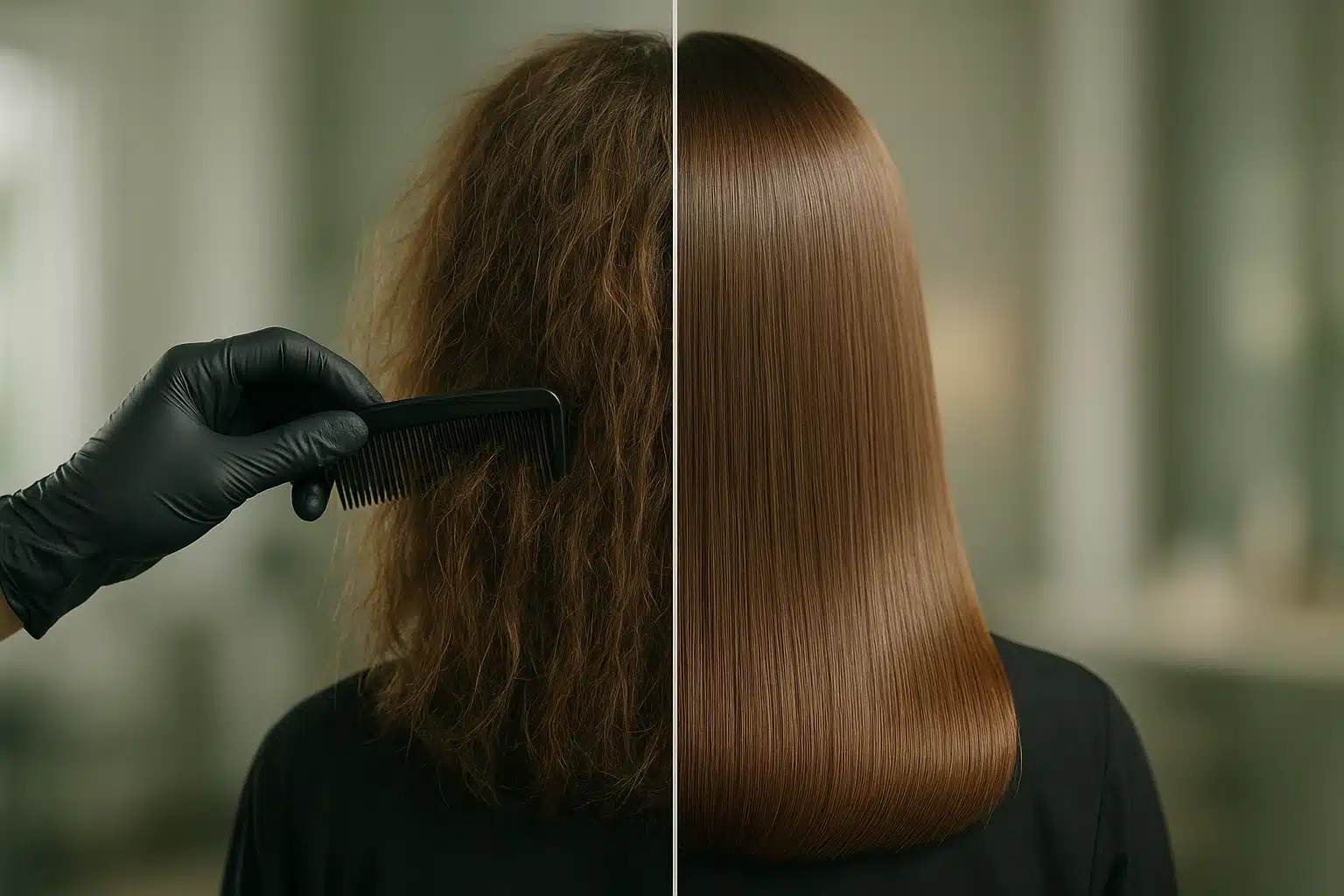
Let’s be honest—finding a wig that makes you feel instantly confident and beautiful is a wonderful moment. Your hairpiece quickly becomes more than just an accessory; it becomes an essential part of your daily routine and self-expression. But if you live in the Pacific Northwest, you already know our unique environment comes with a few distinctive challenges. The chronic dampness, frequent drizzle, and shifting humidity of Portland can accelerate wear, matting, and fiber degradation on even the highest-quality human hair and synthetic wigs. Suddenly, a beloved hairpiece might start showing signs of severe tangling or cap damage, leaving you wondering what went wrong.
If you are at a point where a replacement is necessary, reading a guide on finding the best wig stores in Portland, OR provides a fantastic, curated roadmap for discovering local retailers and investing in a new piece. However, if your favorite wig is simply looking a little worse for wear, you might be facing a frustrating information gap. Can your investment be saved? Do you just need a better home maintenance routine, or is it time to seek out a specialized Portland professional? Let’s bridge that gap and explore the world of wig restoration so you can confidently breathe new life into your favorite hairpiece.
The Salvage Philosophy: Why Restoration Matters
When a high-value wig begins to show signs of damage, the immediate reaction is often panic. However, understanding the emotional and financial value of restoration can completely change your perspective. A damaged wig does not always mean a trip to the trash can. Preserving what you already own is an art form.
In Portland, environmental factors play a massive role in wig health. The constant friction of hair against heavy winter coats and rain jackets, combined with atmospheric moisture, naturally leads to “nape frizz” and fiber matting. By adopting a “restoration over replacement” mindset, you not only save money but also extend the life of a piece you’ve already grown to love.
The Diagnostic Decision Tree: Is My Wig Salvageable?
Before you attempt any repairs or book a professional service, you need to know exactly what you are dealing with. Use this simple diagnostic checklist to evaluate your wig’s health:
- Green Light (Safe for DIY Fixes): You notice frizz at the collar, minor to moderate tangles, general dullness, or a buildup of styling products. These are surface-level issues that can be resolved with careful home maintenance.
- Yellow Light (Needs Professional Styling/Conditioning): The wig has heavy, stubborn matting, persistent odors, or a noticeable “stiffness” in synthetic fibers that won’t wash out. It’s time for a professional deep clean and restyle.
- Red Light (Requires Structural Repair): You are seeing tears in the delicate lace front, a stretched-out mesh cap that no longer fits securely, loose wefts, severe bald spots, or separation at the silk top. These signify structural failure and require a local technical specialist.
The Science of Fiber Care: Synthetic vs. Human Hair Wigs
To properly care for your wig, you have to understand the fundamental material science behind it. Different fibers speak entirely different languages.
Human Hair Wigs: Because these are natural fibers, human hair absorbs moisture and is highly porous. Once sheared from a donor, the hair no longer receives natural oils from the scalp. This means a human hair wig requires constant lipid restoration through deep conditioning treatments and specialized hydrating oils to prevent severe shedding and brittleness.
Synthetic Wigs: Here is a major “aha” moment for many wig wearers: synthetic fibers (like modacrylic, polyester, or acrylic) are essentially ultra-fine strands of plastic. This is why standard human hair conditioners just sit on the surface and make the wig look greasy. To smooth out a tangled synthetic wig, you have to address its “plastic memory.” For traditional synthetic wigs, this means avoiding heat altogether to prevent melting. However, for heat-friendly synthetic wigs, applying highly controlled, low-temperature heat or steam actually “resets” the plastic fibers, erasing frizz and restoring the original texture.
DIY Restoration Masterclass: Safe Detangling and De-Frizzing
If your wig falls into the “Green Light” category, you can safely perform maintenance at home.
The Mechanics of “Bottom-Up” Detangling
The most common mistake beginners make is brushing a wig from the roots down. Think of your wig cap like a zipper. If you hit a tangle in the middle of the hair and pull down from the root, the tension acts like a zipper pull—it tightens the hand-tied knots and yanks the fibers directly out of the delicate mesh cap.
Always start at the very ends of the hair. Using a wide-tooth comb, gently detangle the bottom two inches. Once that is smooth, move up another two inches, working your way slowly to the root. This mechanical shift prevents cap damage and minimizes shedding.
Safely Using Steam on Synthetic Hairpieces
For damaged synthetic wigs showing frizz at the ends, a handheld garment steamer is a game-changer. Using low-heat steam while gently combing through the fibers relaxes the plastic memory without the harsh, dry heat of a flat iron, which can easily cause irreversible melting.
Common Mistake Alert: The Danger of Fabric Softener
If you’ve searched online for synthetic wig hacks, you’ve likely seen recommendations to soak your wig in laundry fabric softener. Proceed with extreme caution. Fabric softeners are engineered to leave a heavy chemical film on cotton and polyester clothing. When applied to wig fibers, this film builds up over time, acts as a magnet for dirt, degrades the fiber’s longevity, and can cause severe contact dermatitis (allergic reactions) on sensitive scalps. Stick to specially formulated synthetic wig leave-in conditioners instead.
Demystifying Advanced Wig Repairs
When your wig hits a “Red Light” diagnostic, home remedies will no longer cut it. You will need to speak to a professional about advanced restoration. Knowing the terminology will help you advocate for exactly what your hairpiece needs:
- Re-ventilation (Adding Hair): Over time, aggressive brushing or natural wear can cause bald spots. Re-ventilation is the meticulous process of hand-knotting new, color-matched hair back into the lace or monofilament top to restore density.
- Lace Reconstruction: A snagged ring or a rough pull can tear a delicate lace front. Professionals can carefully trim and reinforce the lace, seamlessly securing rips so the hairline remains invisible.
- Cap Alterations: If a wig has stretched out over time and no longer grips your head securely, professionals can perform cap resizing and reinforcement, bringing back that custom-fit feeling.
The Portland Wig Repair Directory
Rather than shipping your valuable hairpiece across the country, the Portland metropolitan area hosts several incredible local technical specialists equipped to handle complex structural issues.
- The Wig Station (Tigard, OR): A true benchmark for professional, high-end restoration. Rather than focusing on sales, they specialize in complex structural repairs like cap resizing, fixing lace front rips, silk top separation, and adding extensions. They are the ideal choice when a high-value piece needs serious saving.
- Brenda Kay Hair Specialties (Portland, OR): Highly respected within the medical hair loss community. They offer compassionate, private consultations and excel at wig maintenance, alterations, and specialized care for clients experiencing chemotherapy or alopecia.
- Wigs Wear House (Gresham, OR): A fantastic suburban option providing accessible, reliable services for routine cleaning, alterations, and restyling to keep your wigs looking fresh season after season.
- Wigland (Portland, OR): A long-standing Portland staple that, in addition to their retail presence, offers guidance and maintenance services for keeping daily-wear pieces in top condition.
Frequently Asked Questions (FAQ)
When is a wig truly beyond saving?
The diagnostic cutoff usually comes down to cap integrity versus fiber degradation. If synthetic fibers have reached the point of “dry rot” (crumbling and permanently singed from high heat) or if the mesh cap is completely shredded beyond the point of reinforcement, it is usually more cost-effective to replace the wig.
Why is my human hair wig shedding so much?
Shedding is often caused by puncturing the lace cap with sharp hairpins, scratching the scalp through the wig, or brushing harshly from the roots. It can also happen if heavy, oil-based conditioners are applied directly to the hand-tied knots at the root, which causes the knots to slip and release the hair.
How much does professional wig repair cost in Portland?
Costs vary widely based on the service. A professional wash and restyle might be quite affordable, while intricate structural repairs—like re-ventilating a bald spot or completely resizing a delicate lace cap—require hours of specialized labor and will be priced accordingly. Always request a consultation first.
Taking the Next Step in Your Wig Journey
Whether you are carefully detangling your favorite synthetic wig at home using the bottom-up method or driving over to Tigard to have a delicate lace front professionally reconstructed, you now have the knowledge to protect your investment. Hair loss and wig maintenance can feel overwhelming, but understanding the mechanics behind the materials puts the power back in your hands. Treat your hairpieces with patience, rely on local Portland experts when structural issues arise, and never underestimate the confidence that a beautifully restored wig can bring to your day.