Shopping for a wig is rarely just a simple retail transaction. If you are a Black woman navigating hair loss, transitioning to a natural texture, or simply looking for a versatile protective style, finding the right alternative hair is a deeply personal journey. It requires a delicate balance of evaluating technical specifications—like cap breathability and fiber quality—while also feeling seen, understood, and culturally respected in the chair.
For those embarking on the journey of finding the best wig stores in Portland, OR, knowing what makes a store culturally competent is your greatest asset. The Pacific Northwest has a highly fragmented market for alternative hair, meaning you might have to look a little closer to find spaces that truly understand the nuances of textured hairpieces. This guide is designed to bridge that gap, acting as your trusted educational companion to understand the science, structural engineering, and local landscape of textured wigs.
The Cultural and Emotional Reality of Protective Styling
To truly appreciate the value of a high-quality textured wig, we have to look at the unique biology of Afro-textured hair. Black hair has a beautiful, elliptical cross-section. While this gives the hair its gorgeous, gravity-defying volume, it also means the hair fiber is structurally prone to twisting stresses and mechanical breakage.
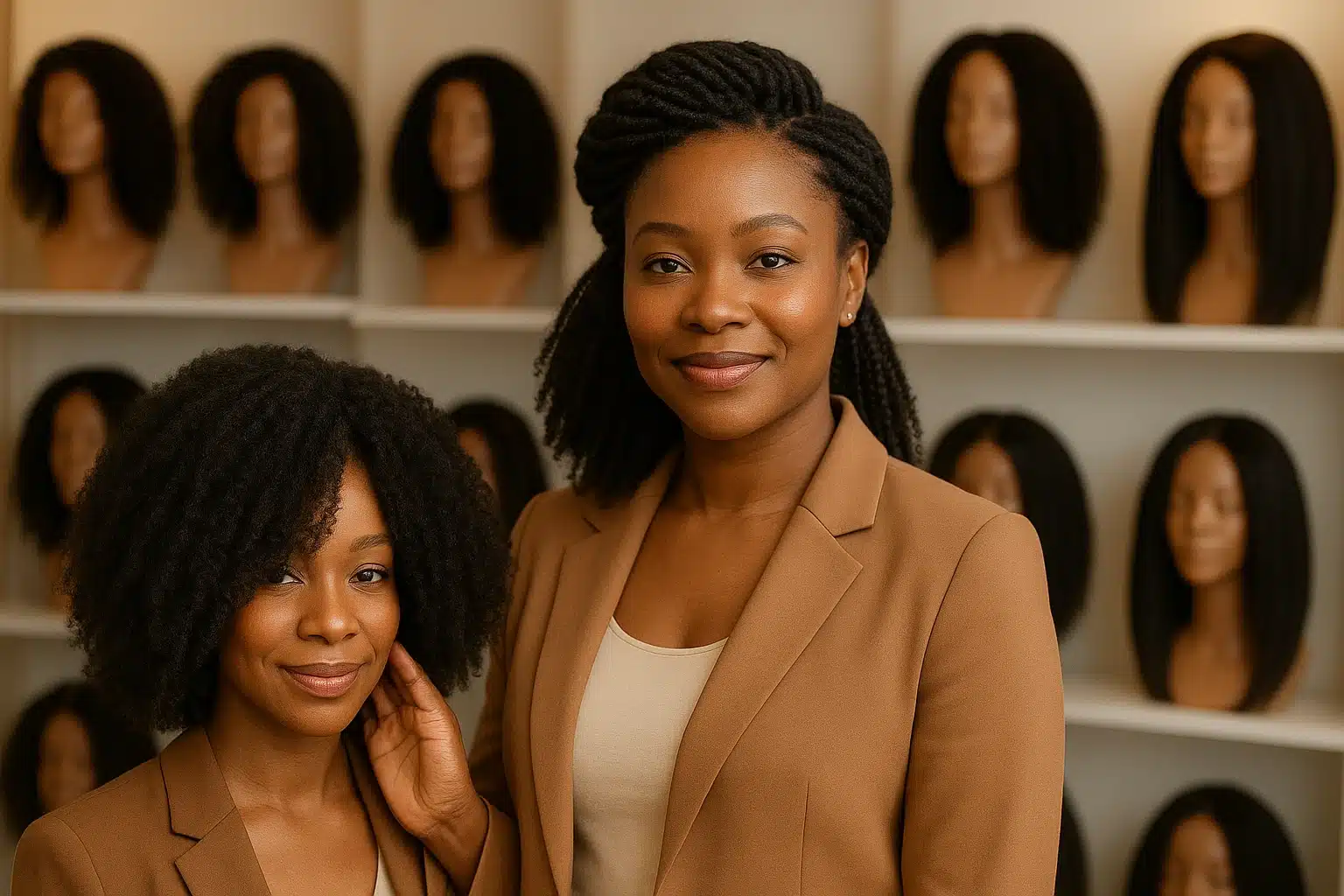
Wigs serve as an incredible protective shield for your natural hair, giving your fragile ends a break from daily manipulation and environmental damage. However, this protection only works if the wig is constructed properly and fitted by someone who understands natural hair care. Stepping into a boutique that specializes in African American hair means you won’t have to spend your appointment explaining the difference between 3C and 4C curl patterns, or why a protective braid-down is non-negotiable.
The Science of Textured Fibers: Finding Your Perfect Match
When you walk into a specialized wig shop, you’ll likely be greeted by a wall of stunning options. But beneath the beautiful styles lies a fascinating world of textile science and hair physics. Understanding these materials will help you make a choice that fits both your lifestyle and your budget.
Synthetic Engineering: Kanekalon vs. Toyokalon
If you are looking at braided wigs or highly textured synthetic pieces, you will likely encounter two main fiber types:
- Kanekalon: The gold standard for braided styles and dense textures. It is highly durable, holds its texture brilliantly, and has a slightly coarser feel that beautifully mimics blown-out natural hair.
- Toyokalon: Known for being softer and shinier, Toyokalon is often used for looser curls and waves. It is generally heat-resistant up to about 300°F, allowing for a bit more styling flexibility.
Human Hair and Curl Memory
When investing in human hair, the terms “Kinky Curly” (which perfectly matches 4A-4C patterns) and “Yaki” (which mimics the micro-crimps of chemically relaxed or silk-pressed natural hair) are essential. Human hair wigs require an understanding of “curl memory.” For instance, bleached virgin hair may lose some of its natural curl retention compared to gently treated Remy hair, meaning it will require more specialized moisture care to prevent frizz.
Aha Moment: The “No-Dry-Brushing” RuleIf you take nothing else away from this guide, let it be this: never dry-brush a synthetic coily wig! Dry brushing causes microscopic tears in synthetic fibers, permanently stretching them out and creating irreversible static and frizz. Always use a wide-tooth comb with a specialized detangling slip when the hair is damp.
Structural Integrity: What’s Under the Hair Matters Most
A beautiful exterior means very little if the foundation of the wig is uncomfortable or damaging. Here is the engineering you need to look for:
Lace Thickness and the “Gray Cast”
The lace at the front of your wig dictates how realistic the hairline looks.
- HD/Swiss Lace (0.03mm): This ultra-thin lace melts seamlessly into the skin, providing the ultimate illusion. However, it is delicate and can tear easily with daily wear.
- French Lace (0.05mm): Slightly thicker, this lace stands up beautifully to hand-knotting and the high tension required for braided wig styles.
For women with deep, melanated skin tones, standard transparent lace is a known frustration because it often leaves a highly visible “gray cast.” Culturally competent boutiques understand the chemistry of lace tinting, ensuring the lace perfectly matches your unique undertones.
Cap Density and Weight Limits
More hair isn’t always better. A cap density of 130% to 150% offers the most realistic movement and scalp visibility. Pushing the density to 180% or higher not only looks artificially bulky but also places massive strain on the cap seams and your neck. In fact, for heavy braided wigs, it’s recommended to keep the total weight between 140 and 180 grams to prevent neck fatigue and traction alopecia.
Airflow and Scalp Health
Your natural hair needs to breathe. To prevent the buildup of sweat and naturally occurring scalp yeast (Malassezia), a quality wig cap must allow for proper ventilation. Industry standards suggest a minimum airflow rate of 280 CFM (cubic feet per minute). If a cap feels heavy, stifling, or non-porous, it is not a safe environment for your natural hair.
The Curated Portland Directory: Where Culturally Competent Care Lives
Finding these specific structural and stylistic needs in Portland requires knowing exactly where to look. Here are some of the standout spaces and services catering to the diverse needs of Black women in the metro area:
Elegant Boutique Beauty Supply (Mobile Delivery)
In a groundbreaking response to the lack of accessible brick-and-mortar beauty supplies in certain neighborhoods, founder Nicole Mason launched Oregon’s first Black woman-owned mobile beauty supply. Operating out of the 97218 ZIP code, this “DoorDash for hair care” delivers premium braiding hair, wigs, and edge control directly to your door within a 15-mile radius. It’s a brilliant solution to retail discrimination and logistical hurdles.
Callie’s Custom Hat Wigs
Located near SE 185th, Callie’s has innovated the grab-and-go protective style. Their custom hat-wigs are perfect for those who want the look of beautifully textured hair without the commitment of lace melting or adhesives. It’s an incredibly accessible option for those running errands, navigating medical treatments, or simply giving their hairline a complete break.
Natural Hair and Extensions
Situated in the upscale Sola Salon Studios in the Pearl District, this space offers a private, highly professional environment. They specialize in the crucial foundation of wig-wearing—expert protective braid-downs—as well as Sisterlocks, invisible closures, and creating custom hair-loss units designed specifically for textured hair.
Bella’s Beauty Supply
Located on Hayden Island, Bella’s is a staple for its sheer retail reach. They carry a massive variety of textured extensions, half-wigs, and synthetic options, making it a great destination for those who want to browse and feel different fiber textures in person.
Wigland
A Portland legacy business located on Broadway, Wigland is heavily focused on compassionate care. They offer private fitting rooms and a 10% medical discount. For women undergoing chemotherapy or experiencing alopecia, their experienced staff can help navigate cranial prosthesis insurance procedures with empathy and grace.
Practical Masterclass: Wear, Tinting, and Maintenance
Once you’ve found your perfect unit, extending its lifespan comes down to your daily habits.
1. The Protective Braid-Down
Your natural hair must be prepped properly. Ask your stylist for small, flat, and neat cornrows. This minimizes bulk under the wig (preventing a “lumpy” appearance), maximizes the vital airflow we discussed earlier, and distributes the tension evenly across your scalp to protect your delicate edges.
2. The Art of Lace Melting
When blending your lace, avoid harsh, toxic adhesives that can rip out your natural hairline. Use alcohol-free, water-soluble lace glues or melting sprays. Apply in thin layers, allowing each to dry clear before pressing the lace down. Tie it down with a silk band for 15 minutes to let your natural body heat “melt” the lace into the skin.
3. Washing Without Wrecking
When it’s time to wash, never scrub. Fill a basin with cool water (hot water will destroy the curl memory of synthetic fibers) and a sulfate-free shampoo. Gently dip the wig in and out of the water. Rinse, then apply conditioner only to the mid-lengths and ends, avoiding the hand-knotted roots to prevent shedding. Air dry on a canvas block head to maintain the cap’s structural integrity.
Frequently Asked Questions
Will a full-lace wig damage my natural edges?
Not if applied and removed correctly! Damage usually occurs from poor braid-downs, using heavy-duty adhesives directly on the hairline, or forcefully removing the wig without a proper adhesive solvent. Always place the wig just slightly in front of your natural hairline.
How do I choose between synthetic and human hair for a braided wig?
For braided styles, high-quality synthetics like Kanekalon are actually preferred over human hair. Synthetic fibers are lighter, hold the rigid structure of a braid without unraveling, and are far more cost-effective for a style that is heavily manipulated.
Why does my wig lace look gray on my skin tone?
Standard transparent lace is designed for lighter complexions and lacks warmth. When placed over deep, melanated skin, it reflects light poorly, causing a gray or ashy cast. You can fix this by using a lace tint spray tailored to your specific foundation shade, applying it directly to the underside of the lace before wearing.
Your Next Steps in Protective Styling
Navigating the world of textured wigs doesn’t have to be overwhelming when you are armed with the right education. By understanding the physics of your natural hair, the engineering of wig caps, and exactly where to find culturally competent care in Portland, you are well on your way to finding a piece that makes you feel confident and beautifully protected.
At Wig Superstore, we believe that education is the ultimate form of empowerment. Whether you are dealing with medical hair loss or simply looking to switch up your aesthetic with a stunning 4C unit, understanding your options ensures that your next hairpiece isn’t just a purchase—it’s an investment in your confidence. Take your time, explore the local Portland spaces that celebrate your texture, and embrace the beautiful versatility of alternative hair.