A cancer diagnosis brings a whirlwind of medical appointments, emotional processing, and a sudden influx of administrative tasks. When the conversation inevitably turns to chemotherapy and hair loss, the focus often shifts immediately to insurance policies and cranial prosthesis prescriptions. But the physical and emotional reality of losing your hair requires much more than just a covered billing code. You need a safe space, an empathetic ear, and an environment that prioritizes your dignity.
If you are anticipating medical hair loss, you aren’t just looking for retail shopping—you’re looking for support. Knowing where to start your search is incredibly empowering, which is why exploring our comprehensive guide to the best wig stores in St. Louis, MO can help you discover reputable local specialists who prioritize privacy, gentle handling, and tailored fittings over high-pressure sales tactics. Let’s explore what truly matters when seeking a medical wig, from understanding cap construction to finding a compassionate boutique in the St. Louis area.
Understanding Medical Wigs: More Than Just a Fashion Accessory
Many beginners assume all wigs are created equal. But there is a world of difference between a standard fashion wig and a true medical-grade cranial prosthesis. When your scalp is going through chemotherapy, it becomes incredibly tender. A fashion wig with exposed machine-wefting (the rows of hair sewn together) can chafe, overheat, and irritate raw, sensitive skin.
The Scalp Comfort Hierarchy
When choosing a wig for medical hair loss, cap construction dictates 90% of your comfort. Here is how cap types rank from lowest to highest comfort for chemo-sensitive skin:
- Basic Machine-Wefted (Lowest Comfort): Great for occasional fashion wear, but the exposed seams and heavy materials can feel scratchy on a bare scalp.
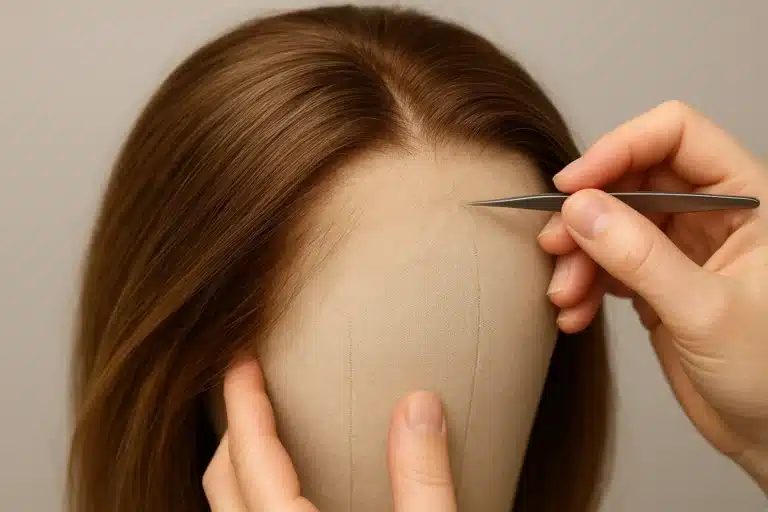
- Single Monofilament (Moderate Comfort): Features a soft, breathable, see-through mesh at the crown that creates the illusion of natural hair growth from the scalp.
- Double Monofilament (High Comfort): Adds a secondary layer of ultra-soft glass silk over the interior knotting, completely protecting your scalp from any friction.
- 100% Hand-Tied (Ultimate Comfort): Every single hair is tied by hand to a soft, stretchy cap. It moves naturally, eliminates heavy seams entirely, and molds to your head like a second skin.
Fiber vs. Cap: Debunking the Myth
A common debate among patients is choosing between human hair wigs for hair loss versus synthetic options. While human hair offers unmatched realism and longevity, it’s a mistake to think it’s automatically the most comfortable option. The cap construction is what touches your head.
Both heat-friendly synthetic fibers and human hair options can be built into ultra-soft, hand-tied caps. In fact, many patients actually prefer high-end synthetic wigs during treatment because they possess “style memory”—meaning they hold their shape after washing, requiring far less physical energy to maintain when you might be feeling fatigued.
Sensitive Scalp Care & Texture Inclusivity
During chemotherapy, you aren’t just losing hair; your skin is undergoing systemic changes. Friction, heat buildup, and contact dermatitis are real concerns that need to be proactively managed.
Protecting Your Bare Skin During Treatment
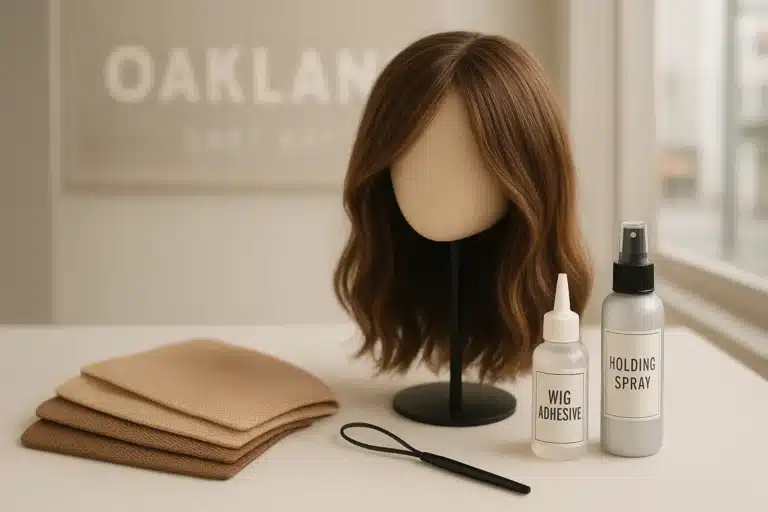
To manage scalp tenderness, consider discreet wigs built with hypoallergenic liners, bamboo-cotton caps, and silicone ear-tab grippers. Silicone provides gentle security and prevents the wig from slipping without relying on tight, restrictive bands that can cause headaches. Additionally, it is crucial to avoid using standard drugstore hair care products on your wig or your scalp, as the harsh chemicals can cause fiber destruction in the wig and severe irritation on your skin.
Culturally Inclusive Options
Hair loss affects everyone, but for a long time, the wig industry lacked true diversity in medical-grade options. Today, finding medical hair loss wigs for African American women in St. Louis involves more than just settling for whatever happens to be on the shelf. The best local specialists offer textured synthetic fibers, Yaki human hair options, and custom lace tinting to ensure your wig accurately matches your natural kinky or coily hair textures and beautiful scalp tones.
Evaluating St. Louis Wig Boutiques Beyond Insurance
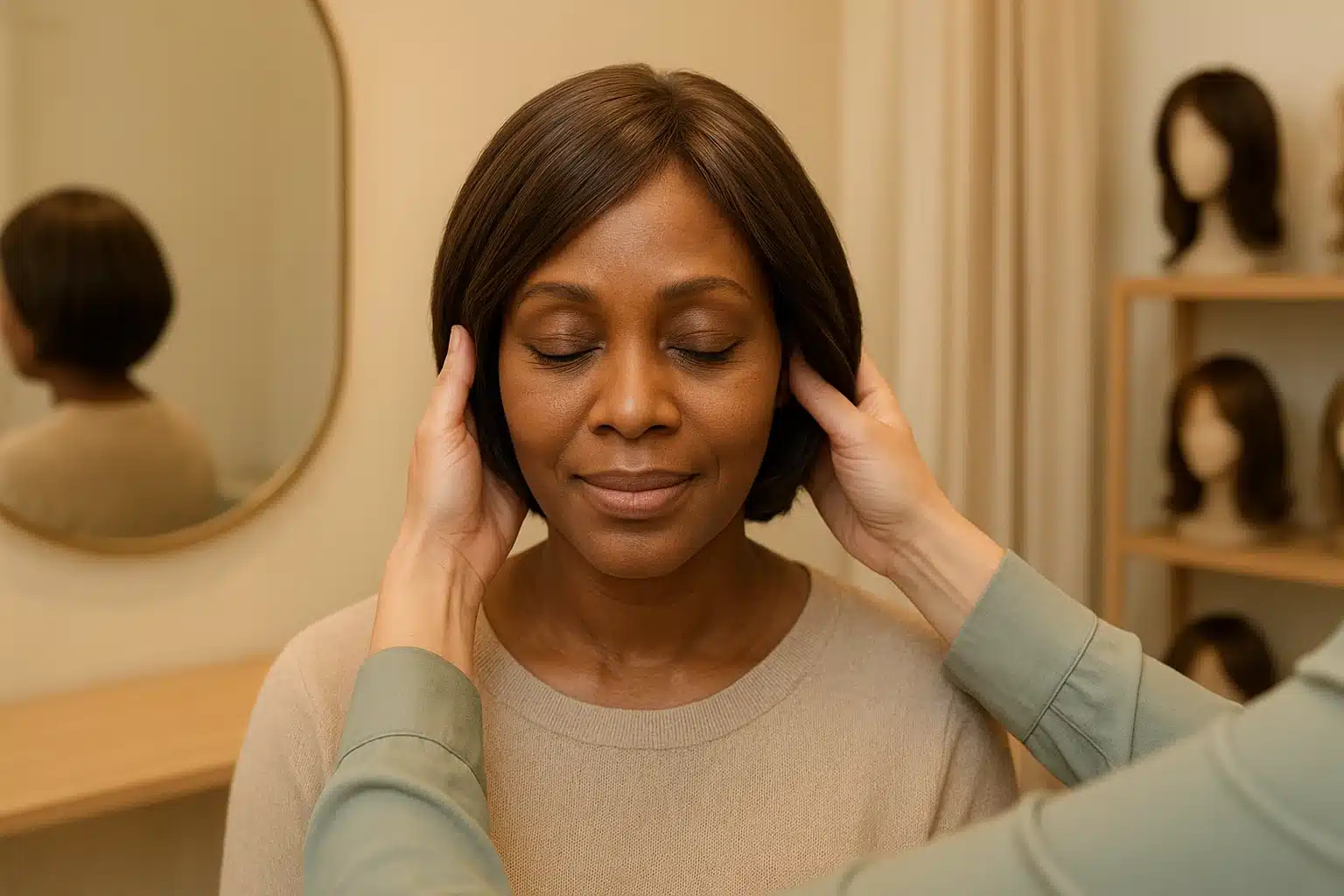
When vetting stores in the St. Louis metropolitan area, the environment matters just as much as the inventory. You want to avoid wide-open salon floors and high-pressure retail environments. Instead, look for boutiques that offer private, curtained fitting suites, dedicated back-door entrances, and quiet one-on-one appointment windows.
Top Local Sanctuaries for Cancer Patients
St. Louis is home to several specialized boutiques equipped to handle the emotional and practical needs of oncology patients:
- A+ Wigs & Cuts: With decades of experience specifically addressing medical hair loss due to chemotherapy, alopecia, and thyroid conditions, this boutique is known for its empathetic approach and private one-on-one consultations in the St. Charles and St. Louis areas.
- The Custom Wig Shoppe: A heritage headwear boutique boasting over 45 years of community trust. Beyond traditional wigs, they offer chemo scarves, turbans, and highly sensitive chemotherapy fittings tailored to tender scalps.
- Lake St. Louis Wigs and Cuts: Staffed by licensed cosmetologists who deeply understand the nuances of medical hair loss, they offer a specialized medical focus and frequently provide chemo discounts to help offset the financial burden of treatment.
Community Support: How to Give Back
If you are a caregiver, friend, or community member wondering how to support non-profit initiatives, knowing where to donate hair for cancer wigs locally is a beautiful way to help. Local resources, hospital wig libraries, and organizations like Next Level Healing Hair provide vital support to patients in need. Many St. Louis boutiques can point you toward the best regional wig banks and foundations actively accepting hair donations.
Your Step-by-Step Appointment Guide
Preparation can significantly reduce anxiety when it comes time to shop. Here is how to confidently approach your wig consultation journey.
The Pre-Appointment Checklist
- When to Book: Try to schedule your consultation before your hair starts falling out—usually a week before or right after your first chemo treatment. This allows the stylist to accurately match your natural hair color, texture, and normal density.
- What to Ask: Before committing to a store, call and ask: “Do you have a dedicated private room for medical fittings?” and “Are your stylists specifically trained in oncology hair loss?”
- What to Bring: Bring a trusted friend or family member for emotional support. Bring photos of how you normally style your hair, and pack a soft bamboo head scarf for the ride home.
- Embrace the Transition: Many boutiques offer a gentle, compassionate head-shaving process in their private rooms. While emotional, many patients find that taking this step proactively gives them back a powerful sense of control.
Frequently Asked Questions (FAQ)
What is the difference between a fashion wig and a medical wig?
Medical wigs, often called cranial prostheses, are specifically engineered for completely bare, highly sensitive scalps. They utilize softer materials like double monofilament tops and 100% hand-tied bases to prevent chafing. Fashion wigs often feature exposed machine wefting and heavier materials that can deeply irritate sensitive skin.
How soon before chemotherapy should I schedule a wig consultation in St. Louis?
Ideally, you should schedule your consultation one to two weeks before your first treatment, or immediately after it begins. This timing allows the specialist to see your natural hair density and color before significant hair loss begins, ensuring the most natural-looking match.
Are human hair wigs always better for sensitive scalps?
Not necessarily. While human hair is beautiful and natural, the fiber type is less important for scalp comfort than the actual cap construction. A hand-tied synthetic wig with a soft bamboo liner will feel much softer and more comfortable on a bare scalp than a human hair wig built with a scratchy, basic machine-wefted cap.
Can I find discreet wigs with natural hairlines that won’t expose my hair loss?
Absolutely. Look for wigs featuring “lace front” construction. A delicate lace material at the front of the cap mimics a natural, seamless hairline, allowing you to pull the hair back away from your face without revealing the edge of the wig cap.
Your Next Steps
Navigating medical hair loss is a deeply personal and emotional journey, but you do not have to walk it alone. By prioritizing your physical comfort, seeking out St. Louis professionals who offer private, empathetic care, and understanding the mechanics of what makes a wig truly comfortable, you can find a hair solution that restores your confidence. Take your time, ask the right questions, and remember that this process is entirely about what makes you feel comfortable, beautiful, and most importantly, like yourself.