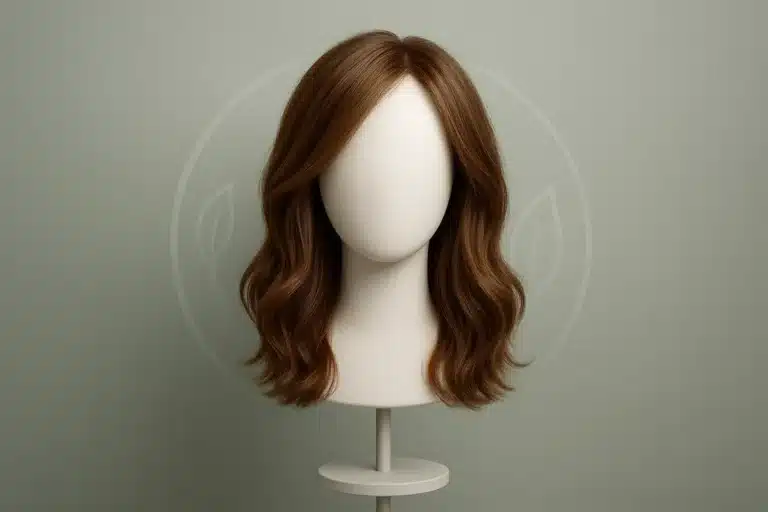
Purchasing an alternative hair piece—whether it’s a fashion statement to change up your everyday look or a medical necessity during a sensitive health journey—is an emotionally charged and financially significant investment. When you step into a boutique, you’re not just looking for a product; you’re looking for renewed confidence. However, for many shoppers navigating the retail scene in Nassau County, deciphering store policies is frequently the most stressful part of the buying journey. You might expect the standard 30-day return window you get with a department store blouse, but alternative hair operates under entirely different rules.
If you are finding the best wig stores in Garden City, NY, you will quickly discover that return and exchange terms in this industry deviate dramatically from standard apparel retail. From luxury boutiques along Franklin Avenue to private studios handling insurance claims for a cranial prosthesis Long Island residents rely on, policies run the gamut. Some mandate strict “All Sales Final” rules, while others offer conditional exchanges governed by restocking fees. Let’s break down exactly why these policies exist and how you can protect your investment before handing over your credit card.
Why Are Wig Return Policies So Strict? Demystifying Hygiene and Law
When you buy a luxury sweater and return it two days later, it goes right back on the rack. Wigs, however, operate under rigorous sanitary thresholds. Understanding the “why” behind the policy can shift your perspective from feeling restricted to feeling protected. After all, strict return policies are exactly what guarantees the wig you purchase is perfectly pristine.
The New York State “Health Law” Myth
If you’ve shopped for wigs Garden City boutiques offer, you may have heard a sales associate claim, “The New York State Department of Health prohibits wig returns.” This is actually a common retail myth. While New York State cosmetology and public health standards heavily govern headwear sanitation and salon practices, statutory law does not strictly forbid wig returns.
Under New York General Business Law § 218-a, retailers are entirely free to set their own return rules—including “Final Sale”—provided those rules are conspicuously posted on store signs and printed on your receipt. Stores implement these strict final sale policies not because they are legally forced to, but to eliminate cross-contamination and massive inventory loss.
The Biology of a Worn Wig
So, what instantly turns a $2,500 virgin European human hair wig into non-resalable inventory? It comes down to biology and chemistry. The moment a wig sits directly on a human scalp, it comes into contact with sebum oils, epidermal exfoliation (dead skin cells), and sweat glands. Furthermore, ambient factors like your personal perfume, household pet dander, cooking odors, and styling products absorb instantly into the delicate lace and hair fibers. Once compromised, that unit cannot be ethically sold to another customer as “new.”
Decoding the Fine Print: Common Return Categories in Nassau County
As you browse any wig store Garden City features, you will generally encounter one of four policy frameworks. Knowing these categories helps you ask the right questions before making a commitment.
Category 1: Strict Final Sale
This is the most rigid policy and is typically non-negotiable. It almost always applies to:
- Custom-ordered pieces
- Wigs where the lace front has been cut or altered
- Hand-tied medical caps
- Clearance or discounted items
- Care accessories and adhesives
Category 2: Exchange & Store Credit Only
This is the standard Long Island boutique compromise. Many local shops understand that buyer’s remorse happens, or that a color might look different in your living room than it did under the salon’s halo lighting. They will typically offer an exchange or store credit within a very tight window—usually 3 to 7 days—provided the piece is utterly untouched.
Category 3: Conditional Returns with Restocking Fees
Many buyers feel outraged by a 10% to 25% restocking fee, viewing it as a punitive fine for changing their minds. In reality, this fee covers the true economics of taking a wig back. The fee pays for the intense labor required to process the return: microscopic human inspection, ozone-chamber deodorizing, re-steaming, sanitization, and the financial penalties stores face when shipping items back to manufacturers to be re-packaged.
Category 4: Defective Merchandise Protocols
What happens if there is an actual problem with the wig? Store policies distinguish heavily between customer change-of-mind and true factory defects. If a wig has wefts unraveling, a tearing cap, or inverted hairs causing severe matting out of the box, boutiques have specific protocols to send the unit back to the manufacturer for evaluation, replacement, or repair. (Note: natural fiber shedding or deciding a cap feels too snug does not qualify as a factory defect).
“Trying On” vs. “Wearing”: The Factory-New Inspection
One of the biggest points of confusion for beginners is the difference between “trying a wig on” and “wearing” it. If a boutique allows returns on unworn items, they will perform a meticulous 5-point physical audit before accepting it back.
They are checking for:
- Makeup residue: Foundation or powder on the polyurethane ear tabs or silicone grip.
- Lace integrity: Any stretching, fraying, or cutting of the delicate lace front.
- Scent absorption: Traces of perfume, cigarette smoke, or ambient household smells on the silk base.
- Fiber friction: Frizz at the nape of the neck caused by rubbing against collars.
- Parting and Packaging: The zig-zag factory part must be intact, and all original nets, tissue, and tags must be attached.
When trying on wigs in a store, a reputable consultant will always provide a nylon sanitary skull cap to protect both your scalp and the store’s inventory.
Medical Wigs vs. Fashion Hairpieces: What You Need to Know
Not all alternative hair is classified the same way. There is a distinct difference between retail fashion wigs and insurance-billed cranial prostheses.
If you are working with a specialist to secure a medical wig during chemotherapy or due to alopecia, the financial rules shift. Medical units billed directly to medical insurance or third-party grants typically cannot be returned for cash refunds. Because these are classified and billed as medical devices, healthcare compliance and claims adjudication rules strictly prohibit treating them like standard retail returns.
The Garden City In-Store Experience vs. Online Ordering
While national e-commerce sites might offer slightly longer return windows, buying in a local Garden City boutique provides safety benefits that online shopping simply cannot match.
Shopping in person allows for professional custom fitting, face-framing trims, and color-matching under natural light. However, be aware of the trade-off: the moment a salon stylist customizes your wig—whether it’s using thinning shears to reduce density, manipulating the permatease, or tinting the roots—the return door permanently closes. Customization makes the piece uniquely yours, but it also voids any manufacturer return eligibility.
The First-Time Buyer’s Pre-Purchase Safeguard Checklist
To ensure you walk out of the salon with absolute peace of mind, follow this simple checklist before you authorize your payment:
- Step 1: Demand the written policy. Don’t rely on verbal assurances. Ask to see the return and exchange policy in writing before you hand over your credit card.
- Step 2: The 360-degree salon mirror inspection. Before leaving the shop, thoroughly inspect the hairline lace, the fit at the nape of your neck, the crown density, and the cap tension. Speak up if anything feels off.
- Step 3: Preserve documentation. If you are buying a cranial prosthesis for medical reasons, ensure your receipt includes the proper tax ID and medical terminology needed for insurance reimbursement or tax deductions.
- Step 4: Practice safe home storage. If your shop offers a 3-day conditional exchange window, treat the wig like fragile glass at home. Leave all factory tags attached, keep the hairnet on, and store it in its original box away from pets, cooking areas, and perfumes until you are 100% sure it’s the one.
Frequently Asked Questions (FAQ)
Can you return a wig if you haven’t worn it?
It depends entirely on the specific boutique’s policy. Some are strict “Final Sale,” while others allow returns within a few days if the piece passes a microscopic inspection proving it is in original factory condition.
Why are wigs final sale at almost every beauty store?
Due to hygiene concerns, health standards, and the fact that wigs absorb skin oils, odors, and makeup instantly upon contact. A “Final Sale” policy protects you by ensuring you never accidentally purchase a wig that someone else has worn.
What is a wig restocking fee, and why is it 10% to 25%?This fee covers the labor and sanitization required to process returned alternative hair. It pays for ozone-chamber deodorizing, re-steaming, detailed hygiene inspections, and the manufacturer’s repackaging penalties.
What happens if a custom human hair piece has a cap defect or excessive shedding?
Factory defects are handled differently than standard returns. Most reputable boutiques will take the unit and send it back to the manufacturer for professional evaluation. If deemed defective, it is typically repaired or replaced, though cash refunds are rare.
How do boutique styling and cap adjustments void manufacturer warranties?
The moment scissors touch the lace or hair, or the cap is permanently altered to fit your specific head shape, the wig is no longer in “factory condition.” Manufacturers will not accept altered pieces back under warranty.
Next Steps in Your Hair Journey
Navigating the world of alternative hair can feel overwhelming, but understanding the rules of the road puts the power back in your hands. By familiarizing yourself with local return policies, the reasons behind restocking fees, and the proper way to try on a piece, you can shop with confidence and focus on what truly matters: finding the beautiful, high-quality hairpiece that makes you feel like yourself again.