We’ve all had that moment of panic. You look at your favorite “signature” wig—the one that makes you feel unstoppable—and notice the nape is matting, the shine has dulled, or worse, there’s a tiny tear in the lace.
In a humid city like Houston, where the air feels like a warm blanket for nine months out of the year, wig maintenance isn’t just a chore; it’s a survival skill. The moisture in the air interacts with fibers and adhesives in ways that can shorten the lifespan of even the highest-quality pieces.
But before you decide your beloved unit is destined for the trash, pause. Most wig damage that looks fatal to the untrained eye is actually just a cry for help. Whether it’s “frizz fatigue” on a synthetic piece or a balding spot on a human hair unit, the vibrant community of Houston wig specialists offers a second act for your hair.
This guide serves as your “Wig Triage,” helping you diagnose what’s salvageable, understand the science of restoration, and find the local artisans who can bring your hair back from the brink.
The “Is It Dead?” Triage Guide
Before you drive out to Bingle Road or Harwin Drive, you need to assess the level of damage. There is a distinct difference between a wig that needs a spa day and a wig that needs structural surgery.
1. The Frizz Factor (Synthetic Fibers)
If your synthetic wig looks like it has been electrocuted, especially around the collar, it isn’t necessarily ruined. This is often caused by friction rubbing against your clothes.
- The Science: Synthetic hair is essentially plastic. Over time, friction disturbs the surface of the fiber.
- The Fix: Heat (controlled steam) resets the “memory” of the plastic, smoothing it back out. If the fiber is just frizzy, it’s highly salvageable. If the ends are physically singed or “crinkled” like a zipper, it may need a trim or professional steaming.
2. The Dullness Trap (Human Hair)
Human hair wigs rely on natural oils to shine. Since they aren’t attached to a scalp, they don’t get those oils automatically.
- The Diagnosis: If the hair feels like straw but isn’t breaking off, it’s just thirsty. Deep conditioning and professional glazing can often restore it completely.
3. Structural Integrity (The Cap)
This is where professional help is non-negotiable.
- Lace Tears: A rip in the lace front used to be a death sentence. Now, skilled professionals can perform “lace patching.”
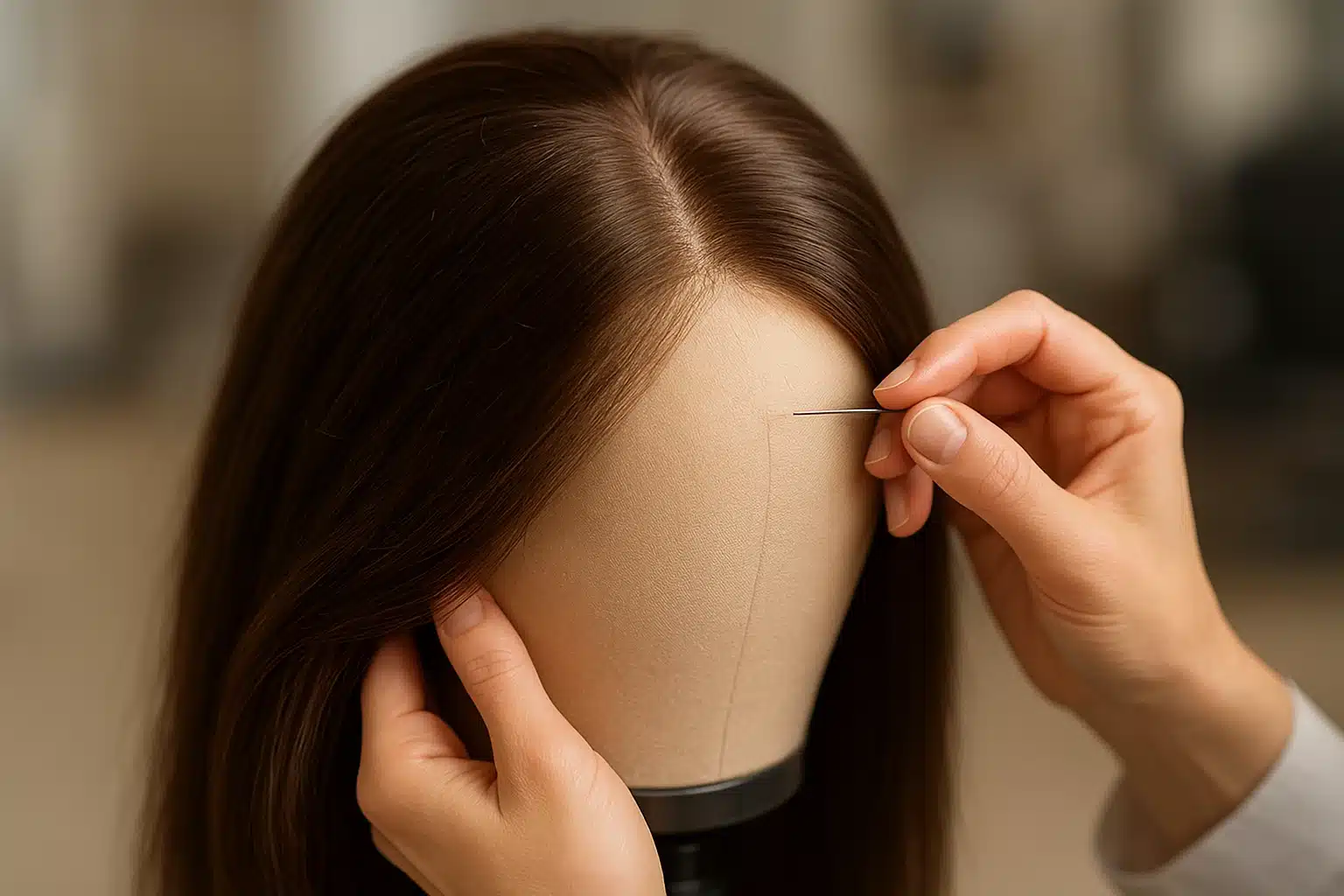
- Balding Spots: This requires a process called re-ventilating, where hairs are knotted back into the lace one by one.
The Houston Humidity Factor
Why does it seem like wigs struggle more here than in drier climates? Houston’s humidity averages over 90% in the mornings.
For Human Hair Wigs, humidity swells the hair shaft, causing the cuticle to lift. This creates tangling and that dreaded “poofy” look. Professional revitalization for these wigs often involves anti-humidity treatments that seal the cuticle.
For Synthetic Wigs, humidity traps heat against the body. This increases the sweat and oils on your scalp, which can break down the bond of your adhesive faster and degrade the cap materials.
If you are struggling with a piece that seems to tangle the moment you step outside, looking into how to restore a synthetic wig using steam methods can be a game-changer for combatting the Texas climate.
Professional Restoration Techniques Explained
When you take your wig to a professional, they aren’t just washing it. They are using techniques derived from textile restoration and cosmetology.
Re-Ventilating: The Art of Adding Hair
Many wig wearers don’t realize that hair loss on a wig can be reversed. If you have a favorite piece that is thinning at the part or the hairline, a specialist can use a tiny hook to knot new strands of hair into the existing lace mesh. It is meticulous, time-consuming work—similar to fine embroidery—but it is far cheaper than replacing a high-end custom unit.
The Steam Reset
Professional shops have industrial steamers that provide a consistent temperature that is hard to replicate at home. This is critical for synthetic wigs. The steam relaxes the fiber, removing the friction kinks, and then “locks” it into a new, smooth shape as it cools.
Top Houston Spots for Wig Revitalization
Houston is home to some of the country’s most experienced hair replacement experts. Here is where locals go when they need help.
Ruby’s Wig Salon (Spring Branch / Bingle Rd)
A true Houston institution since 1971. Ruby’s is the authority for medical hair loss and high-quality maintenance.
- Best For: Insurance-covered cranial prosthetics and restoring brand-name pieces (like Jon Renau or Raquel Welch).
- Why Go: They understand the “medical necessity” aspect of wigs. If you need a piece resized or structurally repaired because it’s your daily wear, their compassion and technical skill are unmatched.
Mari Ari (Harwin Drive)
Located in the bustling Harwin district, Mari Ari is a powerhouse for human hair.
- Best For: How to revive a human hair wig that has lost its luster. They specialize in high-quality Remy hair.
- Why Go: If you have a human hair wig that needs coloring, deep conditioning, or texture matching, their expertise in raw hair materials makes them a top choice.
True Textures (By Appointment)
- Best For: Custom revamps and texture-specific needs.
- Why Go: If you need a wig that matches a specific curl pattern or need a custom ventilation job to fix a thinning area, seeking out specialists who understand texture is key.
The ROI of Repair: Fix or Toss?
One of the most common questions we see regarding site:wigsuperstore.com wig maintenance is about cost. Is it worth spending $50 to fix a wig?
Here is a simple “Fix or Toss” calculator to help you decide:
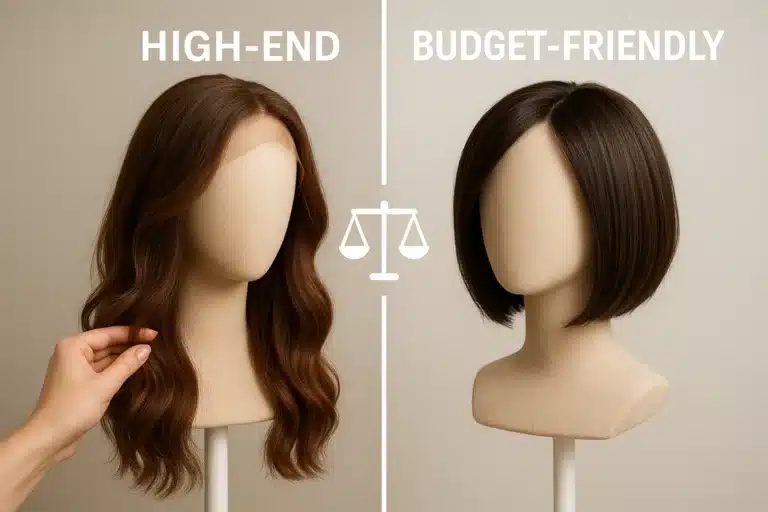
- The 50% Rule: If the cost of repair is more than 50% of the cost of a new wig, it’s usually better to buy new.
- The Sentiment Factor: If the wig has been customized (cut and colored) specifically for your face, it holds more value. Replacing the wig means paying for a new unit plus the customization again. In this case, repair is almost always the better option.
- The Cap Condition: If the hair is bad but the cap fits perfectly, repair it (re-ventilate or steam). If the cap is stretched out and no longer secure, it’s time to retire it.
Preventing the Need for Repair: The “Pre-hab”
The best way to save money on repairs is to master your home maintenance routine.
- The 6-8 Wear Rule: generally, you should wash your wig after every 6 to 8 wears. Over-washing strips fibers; under-washing allows oil buildup to rot the lace.
- The Four-Finger Rule: When putting your wig on, place four fingers flat on your forehead above your eyebrows. Your wig hairline should start where your top finger ends. This ensures you aren’t pulling on the lace unnecessarily to adjust it constantly.
- Proper Storage: Never throw a wig in a drawer. Learning how to store a wig without a head—using silk bags or collapsible stands—protects the structure from being crushed.
Frequently Asked Questions
Can I use fabric softener to fix my synthetic wig?
We strongly advise against this. While viral videos suggest fabric softener removes frizz, the chemicals can leave a waxy film that attracts more dirt and dust in the Houston humidity, leading to faster matting. Stick to products formulated specifically for synthetic fiber.
How much does professional re-ventilating cost?
Prices vary by shop, but you can generally expect to pay by the hour or by the size of the balding area (e.g., a 2×2 inch patch). It is an investment, but for a $1,000+ human hair wig, it is very cost-effective.
My lace front is fraying. Can I just cut it off?
Be very careful. If you cut into the “structural” part of the lace (where the hair is knotted), the wig will begin to shed uncontrollably. It is safer to have a professional seal the fray or trim it with proper tools.
Taking the Next Step
Whether you decide to visit a shop on Bingle Road or tackle a steam restoration at home, remember that a wig is an investment in your confidence. Taking the time to care for it doesn’t just save money—it ensures that every time you look in the mirror, you see the best version of yourself.
If you are ready to upgrade your care toolkit or need advice on whether your current wig has reached the end of its life, exploring high-quality care products is the best place to start.