We often think of a new hairstyle as a purely aesthetic choice—a way to refresh our look or boost our confidence before a big event. But for many, hair is a complex intersection of identity, history, and even legality. When you unbox a new piece, you aren’t just putting on a style; you are engaging with a history of self-expression that is rapidly evolving.
Navigating the world of high-quality hair alternatives requires more than just picking a color. It requires understanding the “why” behind the design and the rights protecting the wearer. While a complete guide to Beautrium wigs can offer a panoramic view of the aesthetic possibilities available today, true mastery comes from understanding how these innovations fit into your daily life—from the boardroom to the weekend.
The Evolution of “Professional” Hair
To appreciate the latest releases from brands like Beautrium, we have to look backward. There is a profound history regarding how hair has been regulated in society, dating back to the Tignon Laws of the late 1700s, which forced women of color to cover their hair in public.
Fast forward to today, and we are witnessing a legislative revolution with the CROWN Act (Creating a Respectful and Open World for Natural Hair). These new hair laws are reshaping workplace norms, prohibiting discrimination based on hair texture and protective styles.
Why does this matter for wig wearers? Because modern wig collections are no longer just trying to mimic “standard” European textures. The latest Beautrium releases are designed to mirror the very textures and styles—like braids and coils—that are now legally protected in many states. This shift allows wearers to utilize wigs as true protective styles, keeping their biological hair healthy while presenting a look that is both professional and culturally authentic.
Analyzing the Aesthetic: Pop Culture Meets Technical Innovation
The influence of media on wig design cannot be overstated. We are currently seeing a surge in demand for hyper-specific aesthetics, such as the severe, architectural styles popularized by the character Helly R in the show Severance.
Achieving this level of precision—specifically that vibrant, almost impossible red—requires a leap in fiber technology.
The Challenge of Vibrancy
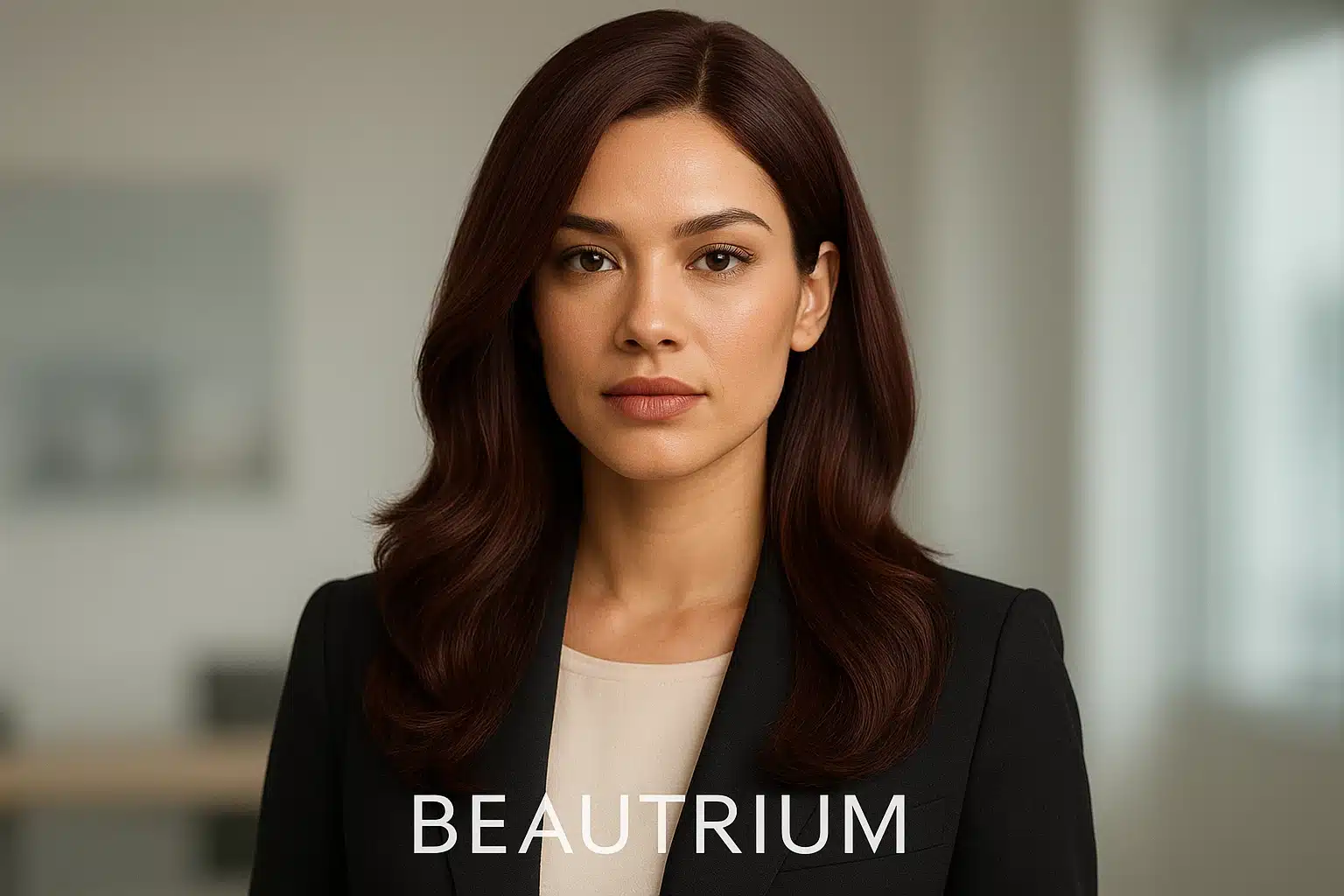
In the past, achieving a “Helly R” aesthetic with standard synthetic fibers often resulted in a costume-like shine. The innovation in Beautrium’s latest collection involves “Natural Movement” fiber blends. These fibers dampen the artificial luster of traditional synthetic wigs, allowing for bold, high-contrast colors that still behave like biological hair under office lighting.
The Tech Under the Cap: Why Modern Wigs Feel Different
If you haven’t upgraded your hairpiece in a few years, the first thing you will notice about the new releases is the anatomy of the cap. The industry has moved away from the “helmet” feel toward construction that mimics biological growth patterns.
The Melted Hairline and the Four-Finger Rule
A common anxiety for new wearers is hairline visibility. A standard test in the industry is the “Four-Finger Rule”—placing four fingers on your forehead to find where your natural hairline should sit.
Beautrium’s new “Melted Hairline” technology is designed to sit flush against the skin at this exact point. By using finer lace and hand-tied knots that transition gradually in density, these caps create an illusion of growth that renders the old fear of a “harsh line” obsolete. This is particularly relevant for those navigating New York discrimination laws hair standards, where maintaining a polished, professional appearance is key, regardless of the style chosen.
Maintaining the Investment: Tools You Didn’t Know You Needed
Owning a premium piece is only half the battle; maintaining it requires a shift in how we think about care. It isn’t just about washing; it’s about fiber alignment and structure.
The Insider’s Toolkit
Most people know about wig stands and wide-tooth combs, but true aficionados borrow tools from other industries to keep their pieces pristine.
- The Loon Hair Stacker: Originally a fly-tying tool, this device is a secret weapon for advanced wig enthusiasts. It allows you to align the tips of loose hair fibers perfectly. If you are trimming or customizing your wig, this ensures the ends are even, preventing that “choppy” at-home haircut look.
- Fiber Steamers: For heat-friendly fibers, controlled steam is essential for removing friction frizz without melting the strand.
Proper wig care extends the life of the piece significantly, protecting your investment and ensuring that the style remains compliant with your workplace’s grooming standards.
From Wearer to Entrepreneur
The boom in wig popularity has led many enthusiasts to transition from consumers to creators. With the rise of the “wig-preneur,” understanding the business side is just as important as the styling side.
If you have mastered the art of customizing Beautrium wigs—perhaps you’ve perfected the baby hairs or the tinting of the lace—you might consider offering these services. Utilizing a hair logo maker or a hair braider logo maker can be the first step in legitimatizing your skills. However, remember that the most successful stylists are those who educate their clients. Positioning yourself as an expert on hair discrimination laws and proper fiber care will set you apart faster than a catchy logo ever could.
Frequently Asked Questions
Does the CROWN Act protect me if I wear a wig?
The CROWN Act specifically protects against discrimination based on hair texture and protective styles associated with race. While wigs themselves are a gray area, if you are wearing a wig as a protective style (e.g., box braids or an afro texture), the spirit of the law—and in many states, the letter of the law—aims to prevent discrimination against these cultural presentations.
What is the difference between Heat-Friendly and Traditional Synthetic?
Traditional synthetic fiber holds its style permanently (even after washing) but cannot be heat styled. Heat-friendly synthetic fiber allows you to use thermal tools (up to a certain temperature) to change the curl pattern, offering more versatility but requiring more maintenance to prevent friction tangling.
How often should I wash my Beautrium wig?
Unlike biological hair, wigs do not produce oil. Washing too frequently can dry out the fibers. generally, washing every 6-8 wears is recommended, or when you notice a buildup of product or environmental odors.
Conclusion
The latest Beautrium collections represent more than just new colors and cuts; they represent a maturation of the industry. We are moving toward a future where wigs are high-tech, legally protected, and socially celebrated. Whether you are exploring these styles for fashion, medical reasons, or convenience, remember that you are part of a larger movement that values autonomy and self-expression.
As you explore these new offerings, keep your focus on quality and education. Understanding the fibers, the fit, and your rights ensures that your hair isn’t just an accessory—it’s an asset.