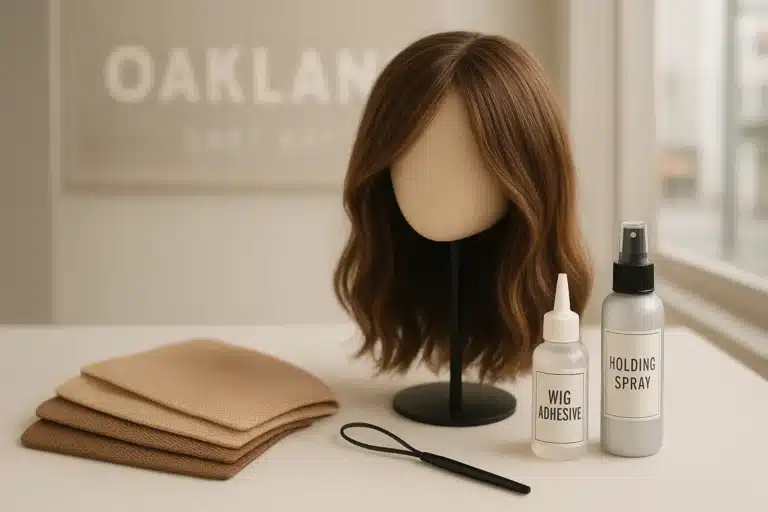
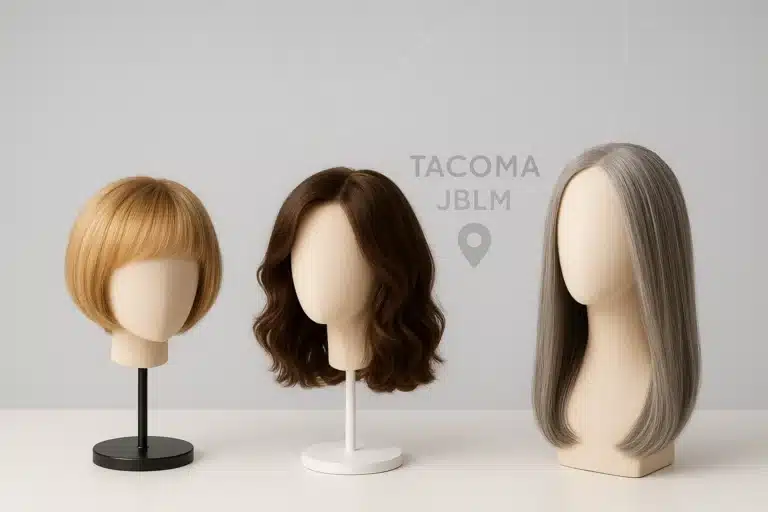
There is a profound moment of excitement that comes with investing in a high-quality human hair wig. It’s the promise of a flawless new look, a boost in confidence, and a reflection of your personal style. But often, that “out-of-the-box” factory color doesn’t quite capture your unique essence. Maybe the tone doesn’t compliment your complexion, or perhaps you’re dreaming of a seamlessly blended balayage that mimics the way the sun naturally lightens hair. This is the secret sauce of the most undetectable, natural-looking hairpieces: custom coloring.
If you are just beginning your hair journey, browsing the top wig shops in Charlotte NC is an excellent first step for acquiring a beautiful, premium piece. However, bridging the gap between purchasing a beautiful human hair wig and achieving that perfectly personalized color requires the expertise of a professional colorist who understands the unique science of wig hair.
Let’s demystify the custom wig coloring process, explore why it’s so different from coloring the hair on your head, and highlight what to look for when seeking expert technicians in the Charlotte area.
The Canvas: Why Your Starting Point Matters
Before a drop of dye ever touches your wig, an expert technician will evaluate your “canvas.” The type of hair you purchase dictates the boundaries of what color is realistically achievable without compromising the integrity of the hair.
One of the most common pitfalls for beginners is falling into the “Factory Black Trap.” Many standard wigs come in a factory color of #1 (Jet Black) or #1B (Off Black). Because these pieces have already been chemically treated with fabric-like dyes to achieve that uniform dark color, attempting to lift (lighten) them to a blonde or bright fashion color is incredibly difficult and often results in a brassy, damaged orange mess.
If your goal is vibrant, transformative color, top technicians often recommend starting with “613 hair” (the industry code for platinum blonde). Starting with a blonde canvas allows professionals to use “deposit-only” methods, preserving the health of the hair while achieving deep, rich, and vibrant customized tones.
The Science of Wig Coloring: Lifting vs. Depositing
Coloring a wig is fundamentally different from coloring the hair growing from a human scalp. Because wig hair no longer receives natural oils and nutrients from the scalp, it is highly susceptible to dryness and chemical damage. Every chemical process on a wig pushes it further along a “Damage Scale.”
The Watercolor Method: A Gentle Alternative
One of the most fascinating techniques expert wig colorists use for 613 hair is the “Watercolor Method.” Instead of using a traditional brush-and-bowl technique with harsh developers, the stylist creates a concentrated bath of hot water and semi-permanent dye. The wig is carefully dipped into this bath, allowing the hair to absorb the pigment evenly and gently. It is a brilliant, low-damage alternative that creates a flawless, dimensional look without breaking down the hair cuticle.
The Lace Protection Protocol
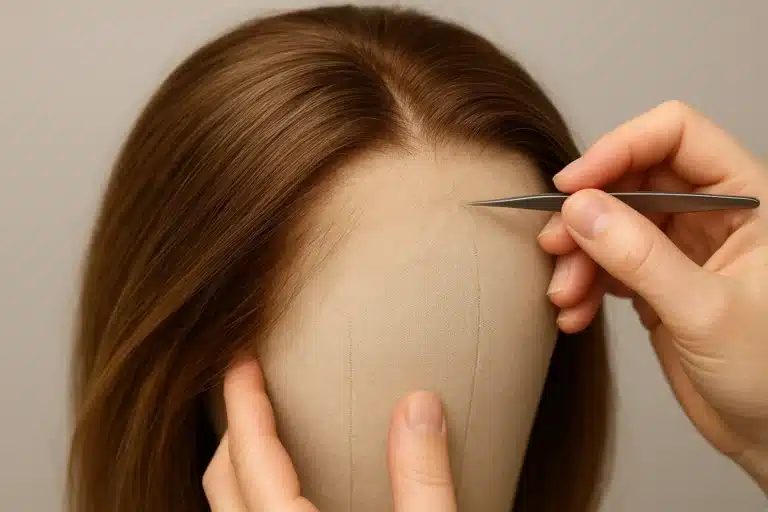
If there is one thing you must know before handing your wig over for custom coloring, it is the importance of knot protection. The delicate hairs on your wig are hand-tied to the lace base using tiny knots. If bleach or harsh dyes seep into that lace, it doesn’t just stain the material—it chemically weakens the knots, leading to massive shedding and premature bald spots on your investment.
Expert technicians use a rigorous “Sealant” phase, applying thick gels or specialized protectants to the lace base before any chemical touches the hair, ensuring the structural integrity of your wig remains completely intact.
Density Science: Understanding the Cost of Custom Color
When consulting with Charlotte salons, you might notice that custom coloring prices fluctuate wildly, typically ranging anywhere from $90 to $250 or more. This isn’t arbitrary; it comes down to density science.
A standard bundle of virgin human hair weighs about 3.5 ounces. A high-density, 24-inch wig might contain the equivalent of three or four of these bundles. More hair means more surface area, requiring significantly more product, time, and intricate sectioning to ensure an even color application. When your stylist quotes a price, they are calculating the physical physics of your specific wig’s density and length.
Where to Find Expert Technicians in Charlotte
Charlotte is home to a variety of skilled technicians and salons, each bringing a unique educational approach to wig customization and care. When searching for the right professional, understanding their specialty helps ensure a perfect match.
OA Salons
Known for their profound psychological authority and empathy regarding hair loss, OA Salons excels in the emotional journey of hair replacement. They are an incredible resource for post-color education, specifically teaching clients about heat management (emphasizing the necessity of keeping styling tools under 325°F) and proper “Canvas Head” drying techniques to maintain your new color.
Lux Glamorous Wigs
If you want a technician who deeply understands the materials they are working with, Lux Glamorous Wigs commands “Material Authority.” Their expertise shines in their understanding of virgin hair lifespans, bundle weights, and the nuanced differences between a 4×4 and a 5×5 closure when customizing color.
She’s Exclusive Salon
For those who appreciate clear logistics and structured care, She’s Exclusive Salon leads with “Policy-Based Education.” They are highly transparent about customization timelines—typically requiring a 1-week drop-off period—and are excellent at educating clients on the risks associated with coloring “used lace.”
Bernadette’s Salon & Wig Gallery
A staple in the local community, Bernadette’s is highly regarded for its comprehensive consultation process. This is a location where you can confidently ask questions about “Wig Color Theory” versus “Natural Hair Theory” and receive patient, knowledgeable answers.
The Pre-Color Checklist: What to Ask Your Stylist
Before committing to a custom color service, you should feel entirely confident in your technician. Use this checklist of questions during your consultation:
- “What is your protocol for protecting the hand-tied knots?” (Listen for answers involving lace sealants or thick protective barriers).
- “Given my wig’s current base color, is my goal achievable without extreme bleach damage?”
- “Do you use the watercolor method for fashion tones?”
- “What is your turnaround time for a custom color drop-off?”
- “What specific color-safe products do you recommend for surviving Charlotte’s humidity?”
Frequently Asked Questions (FAQ)
Can I dye my human hair wig at home?
While you technically can, it is highly discouraged for beginners. Without understanding the history of the hair’s factory processing, you risk permanently damaging the cuticles, staining the delicate lace, or causing the hair to shed off the cap.
What is the difference between transparent and HD lace for coloring?
HD lace is significantly thinner and more delicate than standard transparent lace. While it offers the most undetectable melt into your skin, it is also much more vulnerable to chemical damage. An expert colorist will use even gentler techniques when working around HD lace to prevent tearing and knot damage.
Why does custom color fade faster on a wig than my natural hair?
Your natural hair is constantly nourished by the sebum (oils) produced by your scalp, which helps lock in the hair cuticle and retain color. Because a wig lacks this continuous hydration, the cuticles can open up more easily, allowing color molecules to wash out. This is why using sulfate-free, color-depositing shampoos and washing your wig in cool water is absolutely critical.
Taking the Next Step
Investing in a high-quality human hair piece is a beautiful step toward feeling entirely yourself, and custom coloring is the ultimate way to make that hair truly yours. Remember that your wig is an investment—treating it with compassionate care, educating yourself on the processes, and trusting only specialized professionals with its chemical alterations will ensure it lasts for years.
If you are still searching for that perfect, high-quality base piece to serve as your canvas, take your time researching reputable providers who prioritize empathy, education, and unparalleled craftsmanship. The perfect blend of beautiful hair and expert color is entirely within your reach.