If you’ve spent even a single summer in North Carolina, you know that the local humidity doesn’t just affect your mood—it takes a serious toll on your hair. But what many wig wearers don’t realize is that Charlotte’s 70%+ average humidity can cut your wig’s lifespan in half without the right care routine. Whether you’ve invested in a premium human hair unit or a beautiful synthetic piece, the combination of environmental moisture, daily friction, and sweat requires more than just a quick wash in the bathroom sink.
Navigating local care options can feel overwhelming, especially when you are trying to protect a valuable investment that brings you confidence and joy. Understanding the difference between routine home maintenance and professional restoration is the secret to getting years, rather than months, out of your unit. As you explore the best wig stores in Charlotte NC, knowing exactly what professional cleaning and conditioning services to look for will transform the way you approach long-term wig care.
The Charlotte Climate Factor: Why Humidity Changes Everything
Wig care is rarely one-size-fits-all, largely because your environment plays a massive role in how hair fibers behave. In the Charlotte and Piedmont region, the air is thick with moisture for a significant portion of the year. This climate creates unique challenges for wig wearers.
For human hair wigs, high humidity causes the porous hair shafts to swell, absorbing moisture from the air. This leads to heaviness, tangling, and a loss of whatever style you painstakingly set that morning. Furthermore, local hard water can leave mineral deposits on human hair, stripping its natural luster.
For synthetic wigs, humidity and heat create a different problem: friction frizz. As you sweat, salt and oils build up along the hairline and nape of the neck. When synthetic fibers rub against this buildup and your clothing, they experience “fiber fatigue,” causing the ends to fray and permanently tangle.
The 4-Finger Rule: A great way to check if your wig is suffering from environmental buildup is the “4-Finger Rule.” Place four fingers at the front hairline of your wig cap. This is the primary zone where sweat and makeup accumulate. If the lace or cap feels stiff, tacky, or discolored in this area, standard brushing won’t fix it—it’s time for a thorough cleaning.
Fiber Science 101: Why You Can’t Treat All Wigs the Same
One of the biggest “aha moments” for new wig wearers is realizing that human hair and synthetic hair are entirely different materials on a molecular level.
- Synthetic Hair: These fibers are essentially high-quality, spun plastics. They do not have cuticles, and they cannot absorb moisture. When a synthetic wig looks dry, it isn’t actually dehydrated—it has lost its factory-applied protective coating.
- Human Hair: These are natural, porous strands that have been cut off from their biological hydration source (the scalp). They desperately need penetrating moisture, keratin, and oils to remain soft and pliable.
Because of this fundamental difference, you cannot use the same conditioning products for both. Using a deep-penetrating human hair conditioner on a synthetic wig will just leave a cloudy, heavy film on the plastic fibers. Conversely, using a synthetic fiber spray on human hair will suffocate the strands, leading to breakage.
The Myth-Buster: Is Dawn Dish Soap Actually Good for Wigs?
If you’ve browsed community forums or social media, you’ve likely seen the “hack” of washing wigs with Dawn dish soap. While dish soap is excellent at removing heavy grease, it is highly alkaline. Using it on a human hair wig will brutally strip away the delicate cuticles, leading to irreversible tangling. For synthetic wigs, it strips the protective factory coating, leaving the fibers vulnerable to immediate friction frizz. Stick to pH-balanced, wig-specific cleansers.
The Professional Advantage: Beyond the Bathroom Sink
While at-home washing is essential, professional maintenance is a true longevity investment. When you take your unit to specialized wig shops in Charlotte NC, they perform restorative services that are nearly impossible to replicate at home safely.
Here is what professional restoration actually looks like:
Steam Revitalization
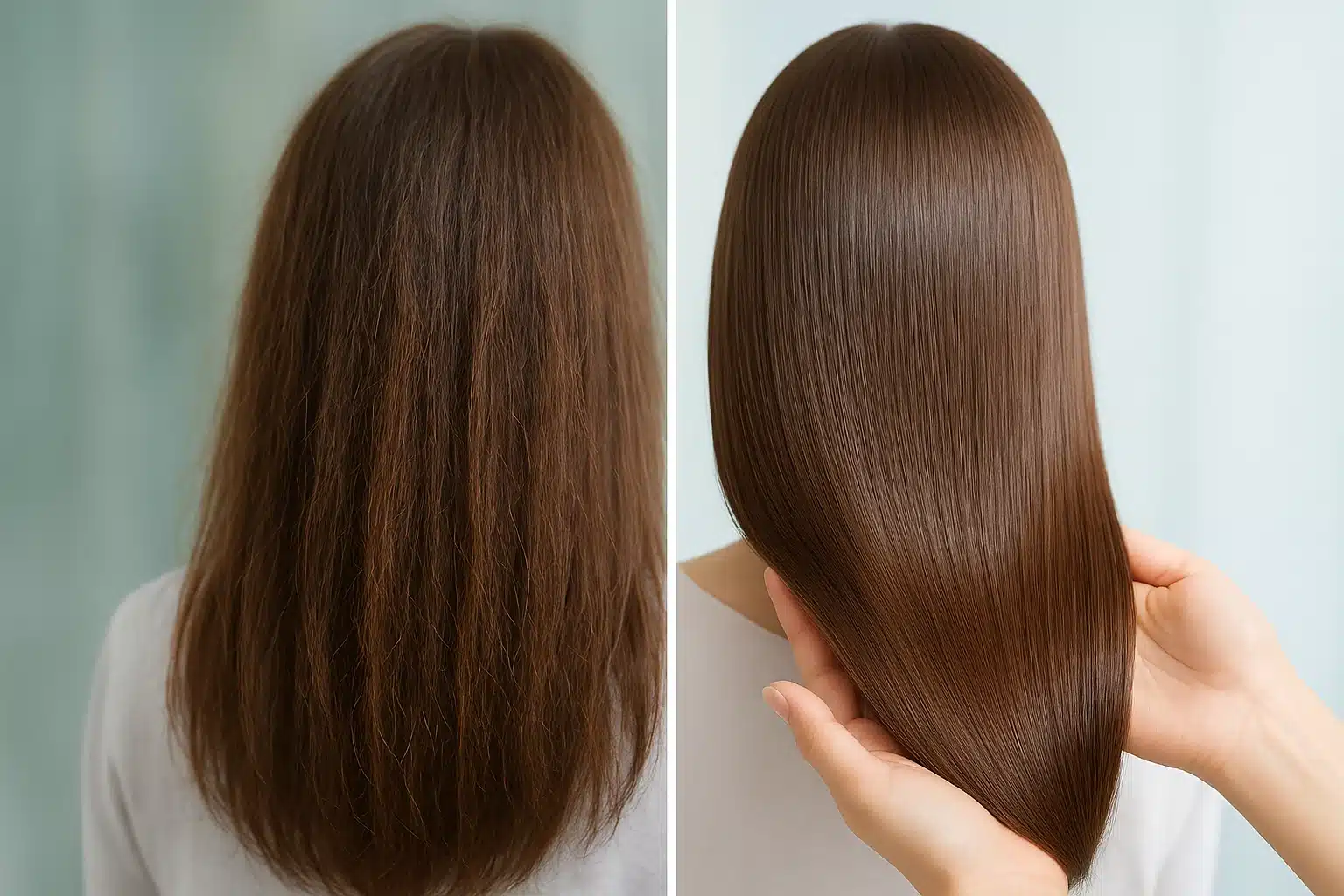
Over time, synthetic wigs suffer from crimped, frizzy ends (especially at the nape of the neck). Professionals use controlled, high-pressure steam treatments to gently heat the plastic fibers just enough to relax them, smoothing out the frizz without melting the hair. This service can make a highly distressed synthetic wig look brand new.
The Silicone Bath
When a synthetic wig loses its shine and begins to feel rough, a professional “silicone bath” restores its glory. Experts soak the wig in a specialized, medical-grade silicone emulsion that re-coats the fibers, mimicking the factory finish. This restores the beautiful slip and luster that makes the wig look natural.
Keratin Infusions and Scalp Therapy
For human hair wigs, professionals offer deep-conditioning keratin treatments under controlled heat. This forces strengthening proteins back into the porous hair shafts. Additionally, they perform delicate “scalp therapy” on the wig cap itself, safely removing lace adhesive buildup, dead skin cells, and trapped oils without tearing the fragile lace front.
The Wig Longevity Calculator: A Lesson in “Cost Per Wear”
It’s helpful to look at professional wig maintenance through the lens of a “Longevity Calculator.”
Imagine you purchase a beautiful, $1,200 human hair wig. Without professional maintenance, the Charlotte humidity, sweat, and hard water might degrade the wig to the point of needing replacement in 6 to 8 months. That brings your cost of wearing the wig to roughly $150 to $200 a month.
Now, imagine investing $50 to $75 every few months for professional deep cleaning, conditioning, and knot sealing. This maintenance can easily double or triple the lifespan of your wig, extending its usability to 18-24 months. By making a small investment in professional care, your monthly “cost per wear” drops significantly, saving you hundreds—if not thousands—of dollars over time.
5 Signs Your Wig Needs Immediate Professional Restoration
How do you know when it’s time to step away from the bathroom sink and call in an expert? Look out for these five red flags:
- Nape Frizz: The hair at the back of your neck looks like a tangled bird’s nest and resists gentle brushing.
- Loss of Luster: Your wig looks dull, matte, or cloudy, even after a standard wash.
- Cap Stretching and Odor: The cap feels loose, or there is a lingering scent of oils/sweat that standard washing won’t remove.
- Excessive Shedding: You are noticing significantly more hair in your brush, indicating the knots on the lace are drying out and loosening.
- Texture Changes: Human hair feels like straw, or synthetic hair feels exceptionally brittle to the touch.
Your At-Home Maintenance Schedule (The “Between-Service” Checklist)
To stretch the time between professional restorations, you need a solid at-home routine. Here is a simple, effective schedule to follow:
- Wash Every 10-14 Wears: Washing too frequently breaks down fibers, while washing too rarely allows sweat to degrade the cap. Ten to fourteen wears is the sweet spot for most climates.
- Detangle Daily: Always brush your wig starting from the tips and working your way up to the roots using a wide-tooth comb or a wig-specific brush.
- Proper Storage: Never leave your wig in a hot, humid bathroom or direct sunlight. Store it on a breathable canvas block head or a wig stand in a cool, dry room to maintain the cap’s shape and fiber integrity.
Frequently Asked Questions (FAQ)
Can I use regular drugstore shampoo on my wig?
No. Regular shampoos contain sulfates, parabens, and heavy silicones designed for biological hair attached to a scalp. These ingredients will severely dry out human hair wigs and leave damaging residues on synthetic wigs. Always use pH-balanced products formulated specifically for alternative hair.
What exactly is “fiber fatigue”?
Fiber fatigue happens when synthetic hair is repeatedly subjected to friction, heat, and environmental stress. The smooth plastic fibers become micro-scratched and stretched, causing them to tangle and frizz. Professional steam treatments are required to correct this.
How do I know if my human hair wig needs a keratin treatment?
If your human hair wig is holding onto excess water after a wash, takes forever to dry, and feels rough or “crunchy” once it does dry, the cuticles are likely damaged. A professional keratin infusion will fill in these microscopic gaps and restore smoothness.
Next Steps on Your Wig Care Journey
Your hair is a deeply personal part of your identity, and choosing to wear a wig is a wonderful step toward reclaiming your confidence. Caring for that investment shouldn’t feel like a burden—it should feel like an act of self-care.
By understanding the distinct needs of your wig’s fibers and recognizing how the local Charlotte climate impacts them, you are already ahead of the curve. While your at-home routine is the foundation of good hygiene, partnering with knowledgeable professionals for routine deep-conditioning and restoration will ensure your hair always looks as vibrant and beautiful as the day you brought it home.