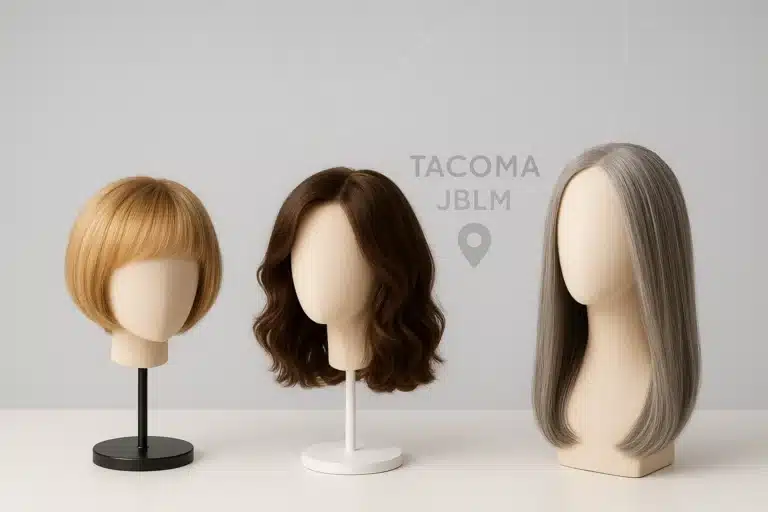
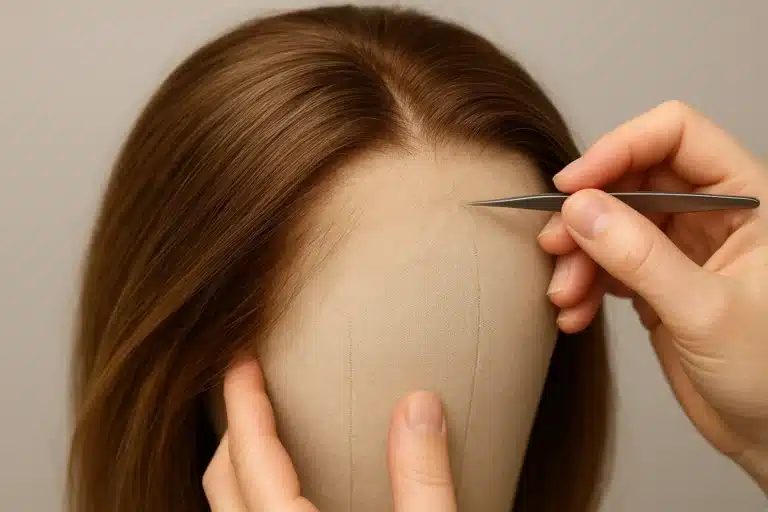
If you wear wigs regularly, you probably know the 3:00 PM feeling. You put your wig on in the morning, and it feels perfectly fine. But by mid-afternoon, you start noticing a subtle, growing pressure. Your scalp feels a little too warm. The hair feels a little too heavy. You’re experiencing an overwhelming urge to take it off the second you walk through your front door.
If this sounds familiar, you aren’t doing anything wrong, and you aren’t overly sensitive. You are experiencing something the hair alternative community calls “Wig Fatigue.”
For years, many of us who wear wigs—whether for medical hair loss or simply for fashion—have accepted this heavy, “helmet-like” feeling as the unavoidable cost of having great hair. But the truth is, the physics of wig construction have evolved dramatically.
Today, we’re going to pull back the curtain on the engineering behind lightweight wearability. By exploring the groundbreaking innovations of Gabor’s FlexLite® fiber and Personal Fit™ caps, we’ll discover how understanding the science of your wig can completely transform your daily comfort.
What Exactly is “Wig Fatigue”?
Wig fatigue is the physical exhaustion caused by prolonged wear of a poorly constructed hairpiece. Your scalp is incredibly sensitive, packed with nerve endings and sweat glands. When you cover it with a traditional wig, three main friction points trigger fatigue:
- Weight: Traditional synthetic fibers can be surprisingly dense. When piled together to create “fullness,” that weight pulls down on your scalp.
- Heat Retention: A scalp unable to breathe quickly acts like a greenhouse, trapping natural body heat.
- Friction: Harsh cap materials rubbing against sensitive skin, especially at the temples and the nape of the neck, cause microscopic irritation throughout the day.
When you transition your mindset from finding a “functional necessity” to seeking “engineered comfort,” you start looking for solutions to these specific problems. This is exactly where Gabor’s technical innovations come into play.
The Physics of Comfort: Unpacking Gabor’s FlexLite® Fiber
When most people shop for a wig, they look at the style, the color, and the cut. But the true secret to comfort lies in a microscopic measurement that most beginners have never even heard of: denier.
The “Denier” Mystery Explained
In the textile world, denier is a unit of measurement used to determine the thickness and weight of individual threads or fibers. (If you’ve ever shopped for tights and wondered why some are sheer and some are opaque, you were looking at different deniers).
Most standard synthetic wigs use a higher-denier fiber to achieve volume. The problem? Thicker fibers mean a heavier wig.
Gabor solved this by developing FlexLite® synthetic fiber, which is precisely engineered at 24-denier.
Why is 24-denier the magic number? It mirrors the exact thickness of fine, healthy human hair. This allows wig makers to pack enough individual hairs into the cap to create beautiful, natural-looking fullness without the heavy bulk. You get all the coverage and volume you want, but the wig feels virtually weightless on your head.
Multi-Dimensional Blending vs. The Unnatural Shine
Have you ever noticed that some budget-friendly wigs have an unnatural, plastic-like shine? That happens when thick, high-denier fibers catch the light bluntly. Because FlexLite® utilizes ultra-fine 24-denier fibers, the hair moves, bounces, and catches the light exactly like natural hair. This fine texture allows for multi-dimensional blending, where varying subtle tones are mixed together to eliminate the flat, shiny look of traditional synthetics.
The Anatomy of a Personal Fit™ Cap: Moving Beyond Basic Sizing
A common misconception in the wig world is that “custom fit” simply means choosing between small, medium, or large. But true comfort isn’t just about the static size of the cap; it’s about how the material responds to your specific head shape.
Gabor’s Personal Fit™ cap technology redefines the standard wig base by using specialized materials that adapt to you.
Heat-Activated Memory
The foundation of the Personal Fit™ cap is a specialized stretch lace. But this isn’t standard elastic. This resilient stretch material is actually engineered to react to your body heat.
As you wear the wig, the warmth from your scalp gently relaxes the stretch lace, allowing it to mold precisely to the unique contours of your head. Within an hour of wearing it, the cap effectively memorizes your head shape, creating a custom fit that feels secure without being restrictive.
Strategic Airflow vs. The “Hand-Tied” Myth
There is a pervasive myth in the wig industry that 100% hand-tied caps are always the most comfortable option. While hand-tied caps are incredibly natural-looking, they aren’t always the coolest.
Gabor’s Personal Fit™ caps frequently utilize an “open-wefted” construction along the sides and back. By strategically spacing the bands of hair (wefts) and leaving open spaces of stretch lace between them, the design creates channels for exceptional airflow. As your scalp releases heat, it easily escapes through these open wefts, making this construction significantly cooler and more breathable than many fully closed caps.
The Anti-Friction Secret
To combat the microscopic irritation that leads to wig fatigue, Gabor integrated soft, velvet-lined ear tabs and nape strips into their caps. These velvet touchpoints rest directly against the most sensitive areas of your head—the temples and the back of the neck—eliminating the harsh friction of traditional nylon or lace edges.
Wig Cap vs. No Wig Cap: The Gabor Edition
One of the most common questions beginners ask is, “Do I need to wear a nylon or mesh wig cap underneath my wig?”
If you are buying a $20 fashion wig from a big-box store with scratchy interior construction, a wig cap liner is an absolute necessity to protect your scalp. However, because of the velvet ear tabs, the heat-molding stretch lace, and the lightweight 24-denier fiber of a Gabor piece, many wearers find that protective liners become entirely optional.
If you don’t have natural hair to pin down, wearing a Personal Fit™ cap directly against your scalp actually allows the heat-activated memory lace to work faster and more efficiently.
Finding Your Comfort Profile: An Action Plan
Choosing the right wig shouldn’t be a shot in the dark. By understanding your “Comfort Profile,” you can select a piece that truly serves your lifestyle.
- For Medical Hair Loss: If your scalp is highly sensitive due to alopecia or chemotherapy, prioritize Gabor styles that feature the Personal Fit™ cap with a monofilament crown. The velvet touchpoints will protect your skin, while the ultra-lightweight FlexLite® fiber ensures you aren’t carrying unnecessary weight when your energy levels are low.
- For Active Lifestyles: If you live in a warm climate or are prone to sweating, lean into Gabor’s open-wefted styles. The combination of heat-dissipating open wefts and weightless 24-denier fiber will keep your scalp breathing all day long.
- For Everyday Fashion Wearers: If you are transitioning from heavy, traditional wigs, simply making the switch to a FlexLite® style will instantly alleviate the daily 3:00 PM “helmet headache.”
Frequently Asked Questions About Wig Comfort
Why is my current wig so hot?
Most standard wigs trap heat for two reasons: thick synthetic fibers that act like insulation, and closed-cap constructions that don’t allow air to circulate. Switching to an open-wefted cap design allows your natural body heat to escape.
What does “denier” mean in wigs?
Denier is a measurement of thread or fiber thickness. Traditional synthetic wigs use high-denier fibers, making them heavy and sometimes unnaturally shiny. Gabor’s FlexLite® uses a 24-denier fiber, which mimics the exact thickness of fine human hair, providing beautiful volume without the heavy bulk.
How does a stretch lace cap work?
Unlike simple elastic bands that just squeeze your head, advanced stretch lace (like Gabor’s Personal Fit™ cap) uses your natural body heat to gently relax and mold to the exact shape of your head, creating a secure, custom-feeling fit that doesn’t cause tension headaches.
Can I make my wig feel less heavy?
You can’t physically remove weight from a high-denier wig without losing coverage. The best way to achieve a lighter feel is to choose wigs engineered with ultra-lightweight fibers (like FlexLite®) from the start.
Your Next Steps Toward Effortless Wear
Understanding the mechanics of your wig is the first step toward reclaiming your comfort. You no longer have to settle for heavy, hot, or itchy hairpieces just to feel beautiful and confident.
As you continue your hair journey, start reading the technical specifications of the wigs you are considering. Look for terms like “denier,” “open-wefted,” and “heat-activated lace.” By choosing brands that engineer their products with the physics of comfort in mind, you can finally say goodbye to wig fatigue and experience the joy of hair that feels as good at 8:00 PM as it did at 8:00 AM.