Stepping out into a 110-degree Phoenix afternoon challenges everything from your hydration levels to your wardrobe choices. But if you wear a wig, that famous desert heat introduces an entirely different set of hurdles. Between the dry air, the intense sun, and the inevitable perspiration, finding a wig that looks natural and feels comfortable can feel like solving a complex puzzle. For women of color and those with diverse ethnic hair textures—including African American, Asian, and Latina styles—the challenge isn’t just surviving the heat; it’s finding a high-quality piece that authentically reflects your natural beauty.
When mapping out a visit to the best wig stores in Phoenix AZ, the secret isn’t just finding a style you love—it’s finding a cap construction and texture that can withstand the Valley of the Sun. Many buyers step into a beauty supply store only to be overwhelmed by walls of boxed hair, confusing terminology, and synthetic pieces that look shiny and artificial. This guide is designed to transform you from a hesitant browser into an empowered buyer, equipping you with the specialized knowledge you need to navigate the unique landscape of ethnic wig shopping in Arizona.
The Phoenix Challenge: Why the Valley Demands a Different Approach
If you’ve ever felt the sudden, uncomfortable slip of a wig adhesive giving way during a sweltering July afternoon in Scottsdale, you know exactly why location matters. National wig guides rarely address extreme climates, but here in Phoenix, the weather dictates your hair care regimen.
The intense dry heat impacts everything from the longevity of lace fronts to the health of your scalp beneath the unit. Sweat can break down traditional glues, leading to embarrassing sliding, while non-breathable cap constructions can trap heat, causing severe scalp irritation and heat rash. Furthermore, if you are experiencing hair loss, your scalp is already in a vulnerable state. Protecting it requires a “Desert-Proof” approach focused on breathability, gentle attachment methods, and climate-resilient materials.
Texture 101: Translating Your Natural Hair to Wig Terminology
One of the biggest hurdles when shopping for ethnic wigs is translating your natural curl pattern into industry terms. Whether you’re trying to match your natural 4C coils or mimic the sleekness of a fresh silk press, understanding texture terminology is crucial.
- Yaki: This texture mimics the look and feel of chemically relaxed or flat-ironed African American hair. It has a micro-kink that gives it a realistic volume and density, avoiding the overly silky, artificial look of standard straight wigs.
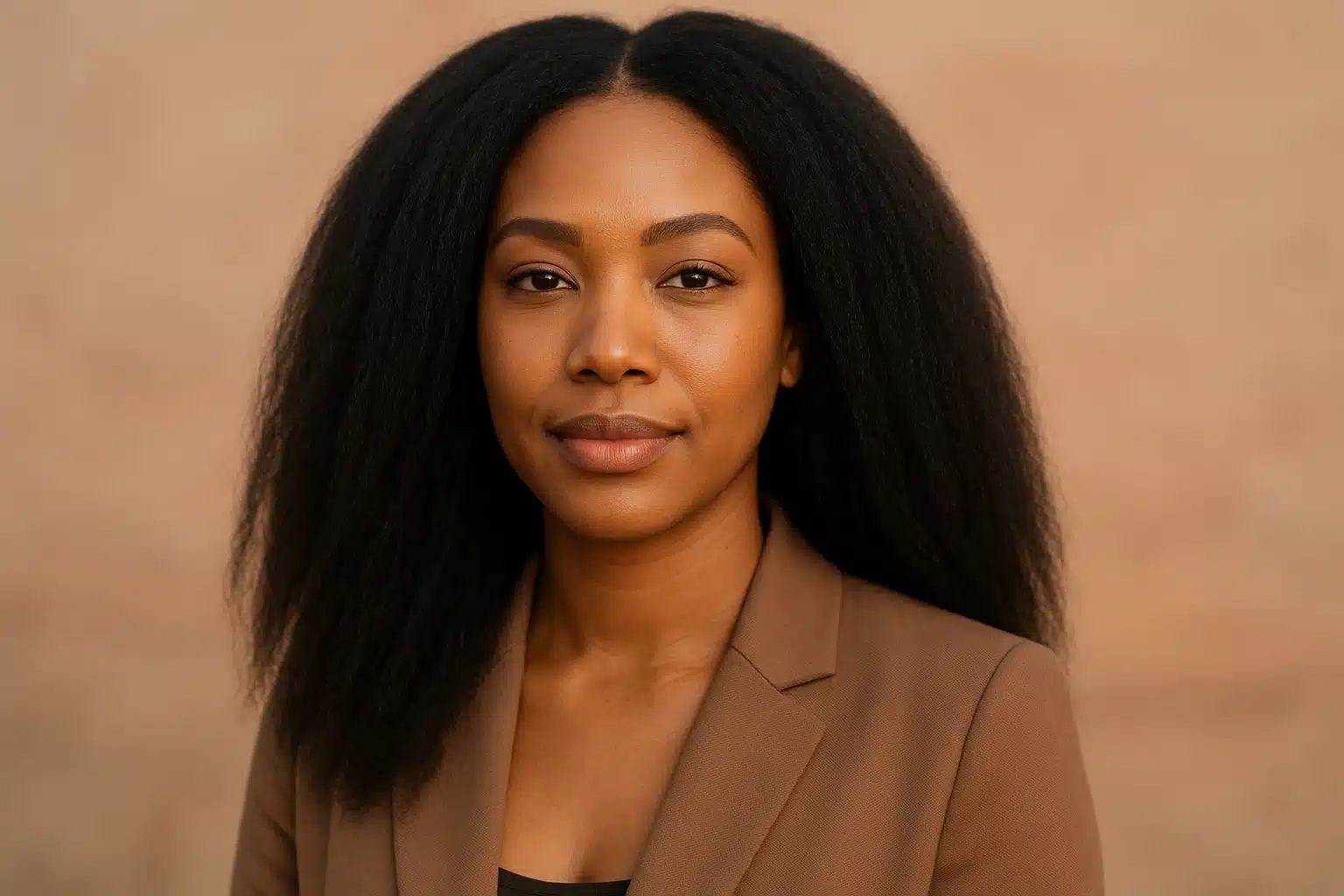
- Kinky Straight / Kinky Blowout: Perfect for naturalistas, this mimics natural hair that has been blown out with a hairdryer but not flat-ironed. It’s voluminous, rich in texture, and incredibly natural-looking.
- Coily / Curly: Designed to match type 3A to 4C curl patterns. When shopping for these in a dry climate, hydration is key (for human hair) or curl-memory maintenance (for synthetic).
- Silky Straight: Often ideal for Asian or naturally straight Latina hair textures, offering a heavy, smooth drape without the micro-kinks found in Yaki hair.
The “Desert-Ready” Checklist for Wig Shopping
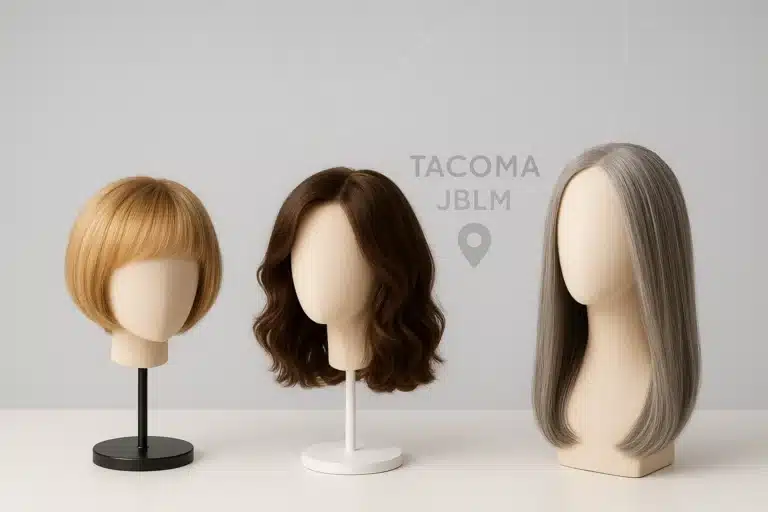
When you visit local shops, you want to look past the mannequins and evaluate the technical construction of the hairpieces. Here are the three non-negotiables for surviving the Arizona climate:
1. Breathability is Non-Negotiable
Avoid heavy, closed-weft caps. Instead, look for 360 lace or full lace units. These allow air to circulate freely around your scalp. Alternatively, high-quality glueless units are a desert dweller’s best friend. They use adjustable straps and strategic combs to stay secure, completely bypassing the need for sweat-sensitive adhesives.
2. Prioritize Quality Tiers
You’ll often hear the terms “Virgin” and “Remy.” Remy hair means all the cuticles are facing the same direction, preventing tangling. Virgin hair has never been chemically processed. In a dry climate, investing in high-quality human hair allows you to deeply moisturize the unit, whereas low-tier synthetic hair can quickly become brittle and stiff in the arid air.
3. Seek Out Customization
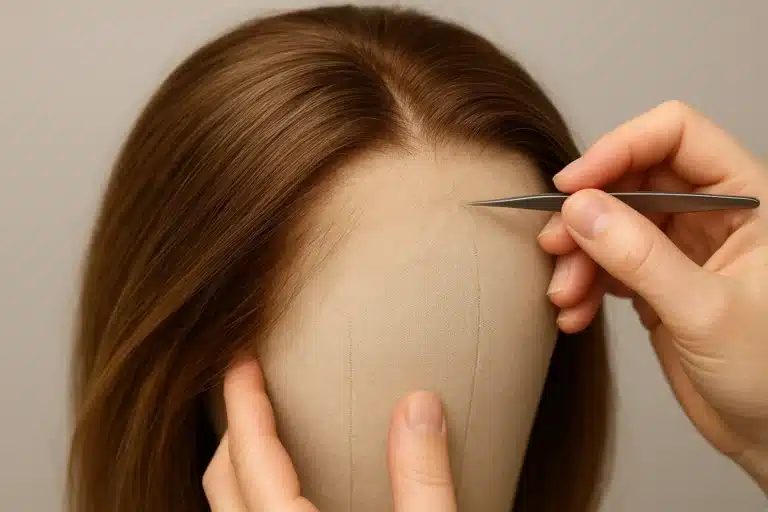
The difference between a wig that looks like a hat and one that looks like it’s growing from your scalp comes down to customization. Look for units that are pre-plucked (where the hairline is thinned out to mimic natural hair growth) and feature bleached knots (where the tiny black dots at the base of the hair are lightened to look like a natural scalp).
Navigating the Local Landscape: What to Look For
Phoenix has a varied landscape of wig providers, each serving a different need in the community. Understanding what these different types of retailers offer helps you set your expectations:
- The Utility Leaders: Stores like United Beauty Supply dominate through sheer inventory volume. They are excellent when you need a wide variety of synthetic options or quick protective styles, but they often lack personalized, empathetic styling services.
- The Expert Boutiques: Smaller boutiques, such as Glitter-N-Bliss, often win on quality, placing a heavy emphasis on Raw Virgin Remy hair. These are destinations when longevity and premium quality are your primary goals.
- The Educational Specialists: Salons and shops like Texture Factory thrive by positioning themselves as partners in your healthy hair journey. They focus deeply on how to maintain hair hydration in the desert, blending natural haircare with protective styling.
For someone experiencing hair loss or venturing into wigs for the first time, prioritize environments that offer compassionate customer care. You want a provider who takes the time to measure your head, explain the cap construction, and discuss how to protect your natural hair underneath.
The Edge-Saver Protocol: Protecting Your Natural Hair
Wearing a wig shouldn’t come at the cost of your natural hair, particularly your delicate edges. The combination of friction and Phoenix heat can be damaging if you don’t employ protective strategies.
The 4-Finger Rule
Improper placement is a primary cause of unnatural-looking wigs and damaged edges. Use the “4-Finger Rule”: place four fingers horizontally across your forehead, starting resting on your eyebrows. Where your top finger sits is exactly where your wig’s hairline should begin. Placing it any lower looks unnatural; placing it higher or directly on top of your natural edges can cause damaging friction.
Prep and Protect
Always wear a moisture-wicking wig cap to create a barrier between your scalp and the wig. Treat your natural hair underneath with lightweight, hydrating oils that won’t weigh down the cap, and always ensure your hair is completely dry before applying a wig to prevent fungal growth.
Human vs. Synthetic: The Desert Performance Test
Should you buy human hair or synthetic for the Arizona heat? Both have distinct advantages.
Synthetic Hair:
- Pros: “Style memory” means the hair holds its curl or straightness regardless of how hot it gets. It’s generally lighter and more affordable.
- Cons: It doesn’t breathe as well as human hair and degrades faster in intense, dry heat. Friction against sweat-dampened skin can cause the nape to tangle severely.
Human Hair:
- Pros: Offers the most realistic look and feel. It breathes better, allowing heat to escape your scalp, and can be customized, dyed, and styled exactly like your own hair.
- Cons: Requires a strict hydration regimen. Just like your skin dries out in Phoenix, human hair wigs need leave-in conditioners and UV-protectant sprays to prevent the desert sun from turning them brittle.
Frequently Asked Questions (FAQ)
What wig texture looks most natural for 4C hair?
Kinky Blowout or coarse Yaki textures are generally the most seamless matches for 4C hair. They mimic the visual density and micro-texture of natural hair, allowing you to blend your own leave-out effortlessly if you are wearing a half-wig or U-part unit.
What does it mean when a wig is “pre-plucked”?
Natural hairlines graduate in density—they are thinner at the very front and get thicker as they move back. A pre-plucked wig has had hair manually tweezed from the hairline during the manufacturing process so that it doesn’t look unnaturally thick and blocky right out of the box.
How do I protect my edges under a wig in the Arizona heat?
Avoid tight adhesives when you know you will be sweating heavily. Opt for glueless units with velvet-lined grips. Always use a silk or satin wig cap to reduce friction, and routinely apply a lightweight edge-protecting serum at night to keep your natural follicles hydrated.
Why are bleached knots important?
When hair is hand-tied into a lace cap, it forms a tiny knot. On dark hair, these knots look like tiny black dots against the lace, signaling that it’s a wig. Bleaching the knots lightens them to a scalp-like color, making the hair appear as though it is growing directly from your skin.
Your Next Steps Toward Confidence
Navigating the world of ethnic wigs in a demanding climate like Phoenix doesn’t have to be intimidating. By understanding your texture match, prioritizing breathability, and knowing exactly what to ask for—from bleached knots to glueless caps—you are completely transforming your shopping experience.
Remember, a high-quality wig is an investment in your confidence and comfort. Don’t settle for the first box you see on a crowded beauty supply shelf. Take the time to explore specialized providers who understand the nuances of ethnic hair, respect the challenges of hair loss, and offer the compassionate expertise required to help you look and feel your absolute best. Ready to learn more about the craftsmanship behind premium wigs? Continue your journey by exploring the differences between synthetic fibers and premium human hair, and discover which fits your daily lifestyle.