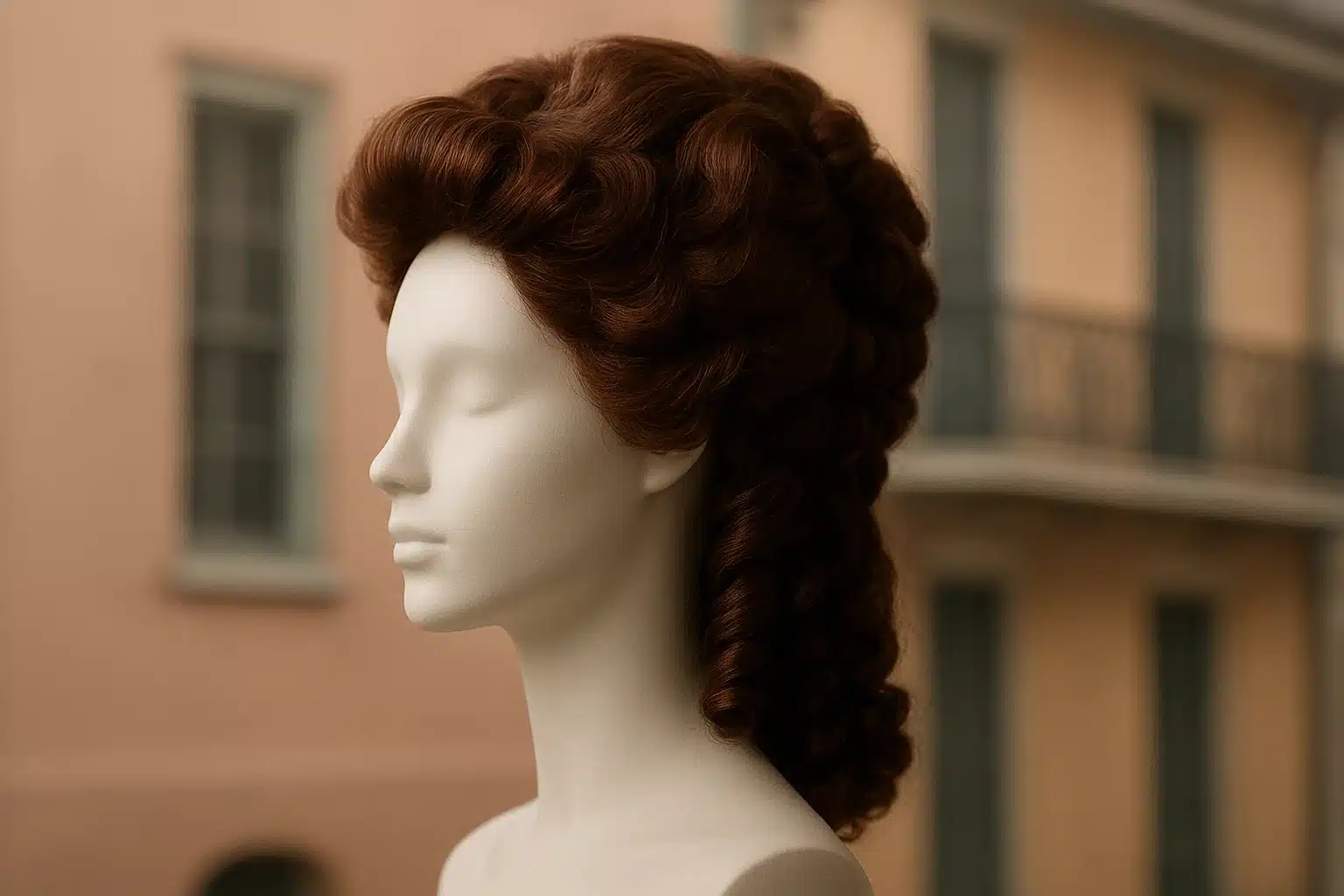
New Orleans is a city that lives in costume. Whether you are preparing for a grand Mardi Gras ball, designing a theatrical production, or simply planning a vibrant night out on Saint Claude Avenue, a spectacular hairpiece is the ultimate crowning glory of self-expression. In a city where dressing up is a year-round way of life, the demand for transformative, high-quality hair is truly extraordinary.
While searching for the perfect look might lead you to explore a traditional wig store New Orleans relies on for beautiful daily wear, finding rare, historical, or eco-friendly hairpieces requires a deeper journey. A significant paradigm shift is occurring among conscious consumers and local creators: a move away from single-use synthetic plastics and toward the thriving circular economy of vintage, pre-owned, and rented wigs. Embracing secondhand hair isn’t just about unlocking a one-of-a-kind look—it is an act of environmental stewardship that keeps our landfills free of plastic waste while celebrating the city’s rich costuming heritage.
The Global Festival Problem and the Circular Solution
To understand why sustainable wigs matter, we have to look at the environmental cost of a good party. Synthetic wigs are essentially made of plastic fibers. Globally, millions of cheap, mass-produced party wigs are purchased for single events and promptly thrown away. We see this exact same ecological challenge in other major festival cultures around the world—much like the massive seasonal demand for carnival wigs Malta retailers distribute during their vibrant Mediterranean celebrations.
Instead of participating in this disposable culture, New Orleans is pioneering a circular costume economy. Why buy a flat, unnatural-looking plastic party piece when you can source, sanitize, and style a high-quality vintage or pre-owned wig that carries its own history and structural integrity?
The “Hollywood South” Sourcing Pipeline
Louisiana is one of the premier destinations for film and television production, earning it the nickname “Hollywood South.” Have you ever wondered where the exquisite, custom-crafted wigs go after a movie wraps?
When costume design New Orleans crews finish a major historical film or television series, their custom wardrobes rarely go to waste. Instead, they enter a local recycling pipeline. At the heart of this movement are non-profits like ricRACK NOLA (located at 1927 MLK Blvd). As a 501(c)(3) textile recycling and sewing organization, ricRACK salvages wardrobes, textiles, and accessories from film wrap-sales. They make movie-grade pieces available to local costume designers New Orleans communities trust, as well as vintage collectors looking for premium, pre-loved materials.
Curated Directory of Vintage & Sustainable Wig Sources in NOLA
If you are ready to explore the sustainable wig market in the Crescent City, here are the hubs pioneering the movement:
- The Luxury Rental Innovator: The Wig Farm x The Closet by SCSCCreated in collaboration with The Left Brain Group and curator Aryn DeKaye Detres, this sustainable rental pop-up flips the script on wig ownership. Instead of buying cheap plastic for Carnival, users can rent artist-colored, editorially styled human hair masterworks. You get a luxury look with zero environmental guilt.
- The French Quarter Legend: Fifi Mahony’s (934 Royal St)While famous for their dazzling new custom creations, Fifi Mahony’s is an essential educational resource for understanding historical hair styling. They curate custom headpieces and vintage-inspired synthetic wigs that are constructed to withstand years of reuse, challenging the notion of disposable party wear.
- The Alternative Art Hub: She Comes in Peace (2025 St. Claude Ave)This highly curated, futuristic boutique specializes in statement wigs and local artisan accessories. They are staunch advocates for reusable, durable wig styling that can be worn for countless events.
- The Secondhand Treasure Trove: Miss Claudia’s Vintage Clothing & Costumes (4204 Magazine St)A beloved local thrift institution where lucky shoppers can hunt for vintage hats, genuine antique costume pieces, and gently used theatrical wigs waiting for a second life.
Sourcing, Sanitizing, and Restoring Vintage Hairpieces
The biggest hurdle for beginners exploring pre-owned wigs is the “ick factor.” How do you know a secondhand wig is safe and clean to wear? With the right sanitization protocol, restoring a vintage wig is highly sanitary, incredibly rewarding, and completely safe.
Step 1: Fiber Identification
Before you wash a wig, you must know what it’s made of. Vintage synthetic fibers from the 1960s and 70s (like Toyokalon or Kanekalon) react very differently to heat than modern synthetics or human hair. A gentle strand test (using a single fiber) can help you determine the material’s heat tolerance before you begin styling.
Step 2: The Deep Sanitization Protocol
- For Human Hair: Submerge the piece in warm water. Use a professional-grade antimicrobial shampoo, gently working it through the cap and fibers without scrubbing, which causes tangling. Follow up with a deep, hydrating conditioning mask.
- For Synthetic Hair: Synthetic fibers are plastic, meaning they hold onto odors but don’t absorb oils the same way natural hair does. Soak the wig in a basin of cool water mixed with a tablespoon of baking soda to neutralize odors. Follow with a gentle white vinegar rinse to break down any old styling product residue without degrading the lace or synthetic cap.
Step 3: Restoring Curl Patterns and Eliminating Frizz
For frizzy vintage synthetics, traditional heat tools will melt the hair. Instead, use a handheld clothing steamer. The steam method gently relaxes the plastic fibers back into a smooth state. You can also use a highly diluted liquid fabric softener as a fiber conditioner to restore the wig’s original sleekness.
Blending Vintage Wigs with New Orleans Style Traditions
In New Orleans, personal style is deeply versatile. The local art of dressing in New Orleans is all about adaptability—knowing how to take a comfortable, classic foundation and dress it New Orleans style to fit the mood of the room. A single, beautifully restored vintage wig can be the bridge between casual and couture.
If you are attending a daytime festival, pairing a vintage bob with a sundress is effortless and chic. But when the sun goes down, you must navigate the city’s unique dress codes. While the French Quarter may feel wonderfully casual, historic Mardi Gras balls, private clubs, and fine dining establishments adhere to a strict New Orleans dress code.
For high-fashion pageants or coronations, consider exploring the red carpet New Orleans boutiques—like The Red Carpet LLC on Tchoupitoulas Street—for exquisite evening gowns. When you pair a beautifully restored, vintage human hair wig with a red-carpet gown, you elevate your aesthetic from a “costume” to an editorial fashion statement. To push the historical accuracy further, local creatives often hunt for foreign clothing New Orleans collectors cherish, such as imported European laces and antique garments found at specialty shops like Century Girl Vintage, creating jaw-dropping, period-accurate ensembles.
Frequently Asked Questions (FAQ)
How do you chemically sanitize a pre-owned wig without degrading the lace or cap?
For synthetic wigs, avoid harsh bleaches or hot water, which can warp the cap and melt the hair. A cool water soak with baking soda, followed by a white vinegar rinse, naturally kills bacteria, strips away old residues, and removes odors while keeping the structural integrity of the wig perfectly intact.
Where do Hollywood South’s movie sets send their custom-styled wigs after wrapping?
Many film sets host private wrap sales, but increasingly, they donate their custom wardrobes and wigs to local textile recycling non-profits like ricRACK NOLA, which then make them available to the public and local costume designers.
What are the environmental costs of synthetic vs. human hair wigs?
Synthetic wigs are derived from petrochemicals (plastics) and can take hundreds of years to decompose in a landfill. Human hair is a natural, biodegradable fiber. Renting or buying pre-owned wigs of either material vastly reduces your environmental footprint by participating in a circular economy.
Is it possible to rent luxury human hair wigs instead of purchasing them?
Yes! Innovative concepts like The Wig Farm pop-up in New Orleans allow individuals to rent professionally styled, high-end human hair wigs for events, offering a zero-waste, luxury alternative to buying cheap, disposable party pieces.
Taking Your Next Steps in Sustainable Costuming
Stepping into the world of vintage and pre-owned wigs opens up a completely new realm of creative possibilities. You are no longer limited to what comes fresh out of a plastic bag; you become a curator of history, style, and sustainability.
Whether you decide to hunt for a hidden treasure at Miss Claudia’s, learn the art of textile recycling with ricRACK, or practice your new sanitization skills on a secondhand find, you are becoming an active participant in New Orleans’ brilliant circular costume economy. Take your time, enjoy the thrill of the hunt, and wear your beautifully restored creations with confidence.