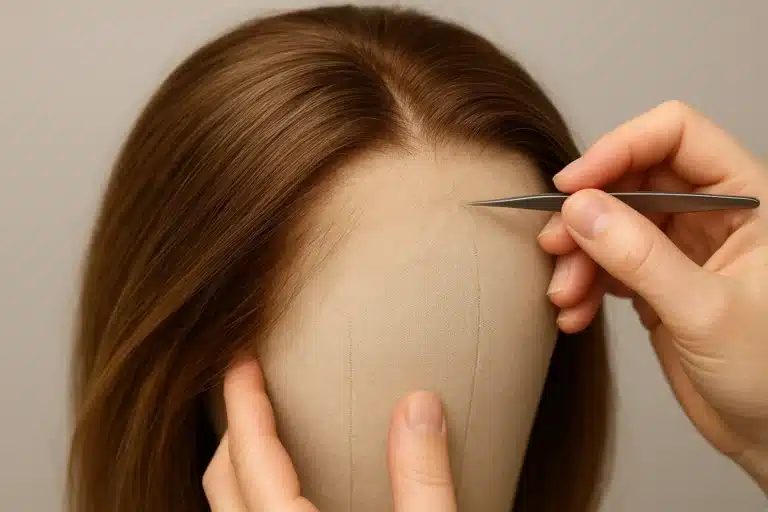
Experiencing medical hair loss—whether from chemotherapy, alopecia, or a thyroid condition—is an intensely emotional journey. Amidst the physical and emotional toll, patients are often suddenly forced to navigate a complex, confusing web of healthcare policies just to find a solution that helps them feel like themselves again. It’s overwhelming to realize that finding a beautiful, natural-looking hairpiece is only half the battle; getting your insurance to actually help pay for it often feels like a completely different fight.
If you’re beginning your search and trying to find the best wig stores in Washington, DC that understand how to process medical insurance claims, you are not alone. While major medical websites offer high-level advice on hair loss, they rarely tell you exactly which local boutiques in the DMV area can provide the specific medical receipts you need. This guide is designed to bridge that gap. We’ll decode the insurance jargon, explain your regional rights across DC, Maryland, and Virginia, and point you toward local experts who can help you reclaim your confidence without the financial strain.
The Medical Vocabulary: Why Words Matter to Your Insurance
The biggest hurdle in getting insurance to cover your hairpiece isn’t necessarily your policy—it’s the vocabulary you and your doctor use.
In the eyes of a health insurance claims adjuster, a “wig” is a cosmetic accessory, much like makeup or a fashion hat, which means it will be automatically denied. However, a cranial prosthesis is classified as Durable Medical Equipment (DME) necessary for a diagnosed medical condition.
The Prescription Trap
Before you even step foot in a store, you need the right prescription from your oncologist or dermatologist. If your doctor writes “wig for hair loss” on their prescription pad, your claim is almost guaranteed to be rejected.
Instead, your prescription must read: “Cranial prosthesis secondary to [Your Condition].”
Furthermore, your doctor must include specific codes:
- ICD-10 Diagnosis Codes: These prove why you need the prosthesis (e.g., L63.9 for Alopecia Areata, or C50.9 for Breast Cancer chemo-induced alopecia).
- HCPCS Billing Codes: These tell the insurance what item you are purchasing. A9282 (Wig, any type) is the standard code. However, the CareFirst Secret is that regional plans like CareFirst BlueCross BlueShield often process claims better under S8095 (Cranial prosthesis, other than custom). Coordinating these codes properly prevents partial claim rejections.
The DMV Divide: Maryland, DC, and Virginia Insurance Laws
You might assume that insurance rules are standard across the board, but in the DMV, your coverage heavily depends on where your policy is written.
- Maryland (The State Mandate): Maryland residents have a distinct advantage. Under Maryland Insurance Code § 15-839, insurers are mandated to cover up to $350 for cancer-related hair loss, with absolutely zero deductible.
- Washington DC & Northern Virginia: DC and VA do not have this statutory mandate. In these areas, coverage relies entirely on your private insurance’s Durable Medical Equipment (DME) guidelines.
How Major DMV Insurers Handle Claims
- CareFirst BCBS: Generally offers a standard $350 benefit for oncological prescriptions.
- Aetna: Often covers up to $1,000 every 12 months under their DME policy.
- UnitedHealthcare: Typically offers a “one wig per lifetime” benefit and strict requirements for a Letter of Medical Necessity (LMN).
- Cigna: Coverage varies widely but standard allowances generally fall between $350 and $1,200 under prosthetic allowances.
- Medicare: It is important to know that Medicare explicitly excludes coverage for all wigs and cranial prostheses.
Honoring Our Veterans: VA Disability and Tricare Benefits
The DMV is home to a massive population of active-duty military and veterans. Unfortunately, national hair loss resources frequently overlook the unique benefits available to this community.
For Veterans (VA Benefits):The VA recognizes hair loss as a ratable condition. Under the VA Schedule for Rating Disabilities, scarring alopecia (Diagnostic Code 7830) can be rated up to 20%, and Alopecia Areata (DC 7831) up to 10%. Veterans can secure a completely free cranial prosthesis through the VA Prosthetics and Sensory Aids Service (PSAS) by submitting VA Form 10-7957a. The VA will purchase the unit directly from approved local vendors.
For Active Military & Families (Tricare):Tricare offers a lifetime wig benefit for cancer patients. Families stationed at hubs like Fort Belvoir or treated at Walter Reed National Military Medical Center can utilize specific, vetted vendors in the local area that are already integrated into the military healthcare system.
The DMV Verified Directory of Medical Wig Providers
Knowing the rules is only half the battle; the next step is finding a compassionate local provider who can supply you with a “Superbill”—an itemized receipt including their National Provider Identifier (NPI), Tax ID, and the necessary HCPCS codes required for you to get reimbursed.
Here is a curated look at local shops in the DMV that actively support medical documentation:
Washington DC
- HauteHair Rx (H Street NE): Uniquely led by renowned dermatologist Dr. Yolanda Holmes, this boutique issues custom, code-compliant cranial prostheses and explicitly understands the critical difference between A9282 and S8095 codes.
- High Definition Hair: Specializes in creating medical-grade scalp units designed for total hair loss.
Maryland
- Pro Beauty Calls (North Bethesda): Offers custom, fully insurance-compliant units along with incredibly detailed document support for your claims.
- The Wig Spa (Silver Spring): Known for its ultra-private environment and beautiful European hair, they readily provide specialized cranial prosthesis receipts.
- Hair with Care / Claudia Mayer Cancer Resource Center (Columbia): Located within the Johns Hopkins network, this salon provides specialized oncology support. While they do not bill insurance directly, they provide the exact HCPCS and provider codes required for patients to secure their standard $300–$350 reimbursement.
Northern Virginia
- Shop B Extensions: Offers certified cranial prostheses and custom medical wigs with the proper invoicing.
- Crown Wigs (Alexandria): Carries a deep inventory specifically tailored for medical-related hair loss.
Walter Reed/Tricare-Vetted Preferred Vendors
If you are utilizing military benefits, the Murtha Cancer Center vets and lists preferred local vendors, including:
- A Special Touch (Annapolis, MD)
- Charlotte’s Hairline Inc. (Baltimore, MD)
- Fran’s Nu Image Inc. (North Waldorf, MD)
- I’m Still Me (Warrenton, VA)
Your Step-by-Step Claim Submission Checklist
To maximize your chances of a successful reimbursement, treat your purchase like any other medical procedure. Follow this timeline:
- Check Your DME Benefits: Call your insurer and ask, “Does my policy cover a cranial prosthesis (HCPCS Code A9282 or S8095) under Durable Medical Equipment?” Ask what your coverage cap is and if a deductible applies.
- Get the Right Prescription: Have your doctor write a prescription for a “Cranial Prosthesis” (never a “wig”) and ensure they include the proper ICD-10 diagnosis code.
- Request a Letter of Medical Necessity (LMN): Have your doctor write a brief letter explaining why the prosthesis is medically necessary for your well-being and recovery.
- Shop at an Educated Retailer: Visit one of the medical wig providers listed above.
- Request a Superbill: When you pay, do not accept a standard retail receipt. Ask for an itemized Superbill featuring the provider’s Tax ID and NPI.
- Submit the Claim: Submit your prescription, LMN, and Superbill to your insurance company’s claims department. Keep copies of everything.
Frequently Asked Questions (FAQ)
Does insurance cover dermatologist visits for hair loss?
Yes, but context matters. If you are visiting a dermatologist for diagnostic purposes—such as blood work, scalp biopsies, or treating autoimmune conditions like alopecia areata or thyroid imbalances—it is generally covered as a medical visit. However, if the visit is for cosmetic androgenetic pattern baldness (and treatments like PRP or Minoxidil), insurance will typically deny it.
What exactly is a “Superbill”?
A superbill is a highly detailed, itemized receipt used by healthcare providers. Unlike a standard cash register receipt, a superbill includes the provider’s legal tax information, diagnostic codes, and billing codes, allowing you to submit it directly to your insurance company for out-of-network reimbursement.
Why was my insurance claim for a wig denied?
The most common reason for denial is terminology. If your doctor’s prescription or the store’s receipt uses the word “wig,” the insurance system’s software will automatically flag it as a cosmetic exclusion. It must be documented as a “cranial prosthesis.”
Navigating Forward with Confidence
Losing your hair is a deeply vulnerable experience, and you shouldn’t have to become an expert in medical billing just to feel like yourself again. By understanding the specific laws in Maryland, DC, and Virginia, knowing exactly which medical codes to ask your doctor for, and visiting local boutiques that specialize in superbills, you can navigate this process with empowerment and peace of mind.
Your hair is a vital part of your identity, and finding the right cranial prosthesis is a profound step in your healing journey. Armed with this knowledge, you are well on your way to securing the perfect unit while maximizing the benefits you deserve.