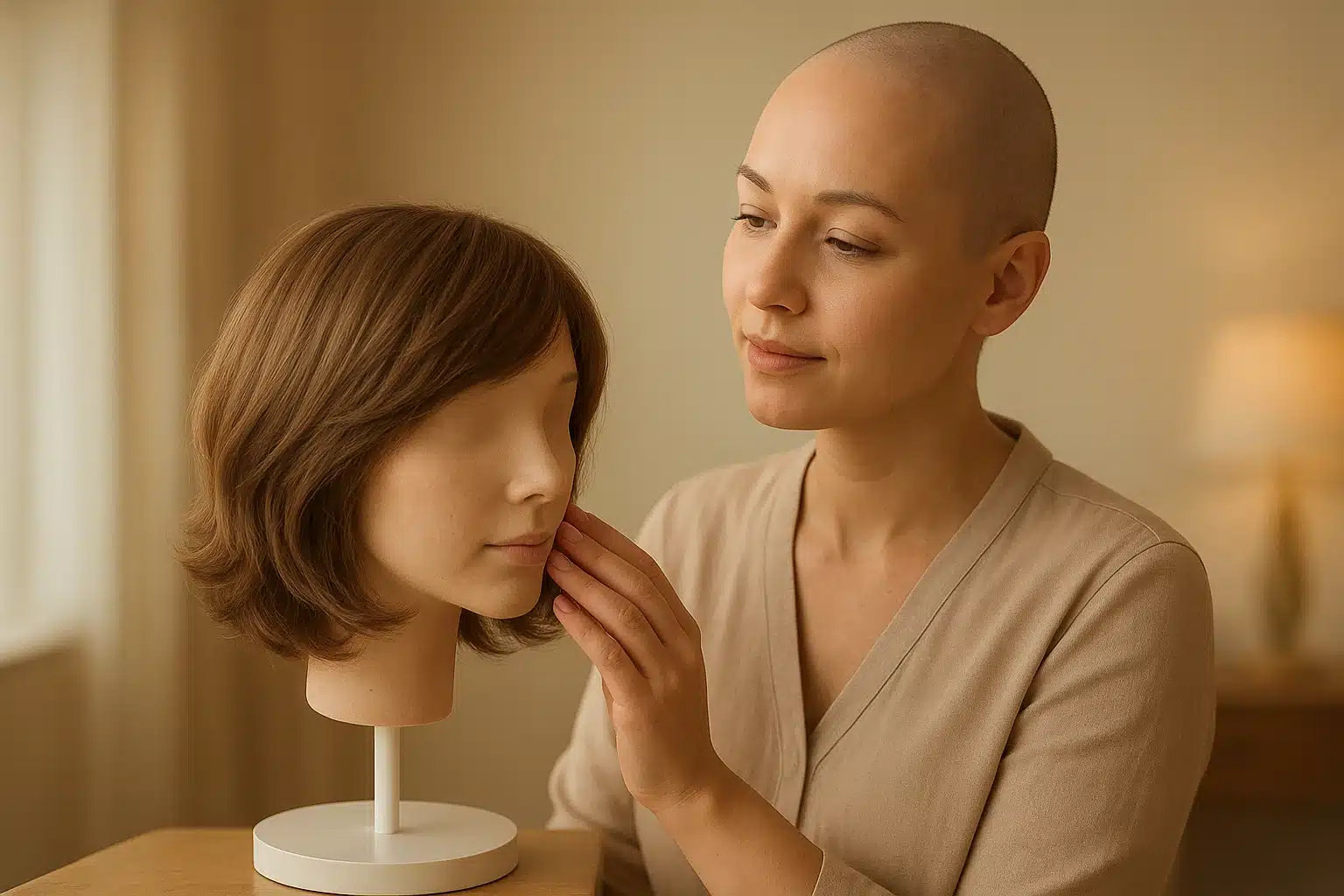
Navigating medical hair loss—whether due to a new chemotherapy regimen, an alopecia areata flare, or radiation therapy—presents an overwhelming mix of emotional processing and logistical hurdles. Suddenly, you are expected to become an expert in medical billing, cap construction, and scalp dermatology, all while managing your primary health journey. If you live in the East Bay, you might feel lost in a fragmented landscape of conflicting Medicare rules, confusing insurance terminology, and intimidating retail environments.
You don’t have to figure this out alone. Finding the right support in the East Bay is about knowing exactly what to look for and what to ask. If you are exploring your localized options, our guide to the best wig stores in Oakland, CA can serve as your ultimate shopper’s guide to reputable retailers. But before you book a private consultation or step foot into a boutique, it is incredibly empowering to understand the clinical, financial, and physical realities of medical hair replacement.
Grab a cup of tea, take a deep breath, and let’s walk through the foundational steps of securing a medical wig in Oakland.
The Terminology Trap: Wigs vs. Cranial Prostheses
The first hurdle most patients encounter is a simple matter of vocabulary, but it’s a distinction that can cost thousands of dollars if misunderstood. In casual conversation, we use the word “wig.” However, in the medical and insurance world, the word “wig” is legally classified as a cosmetic accessory.
If you submit an insurance claim for a “medical wig,” it will almost certainly be denied. The mandatory legal and medical term you must use on all documents is Cranial Hair Prosthesis (or Full Cranial Prosthesis).
A cranial prosthesis is fundamentally different from a fashion wig. Fashion wigs are built for occasional wear and style versatility. A cranial prosthesis is engineered specifically for individuals with total or partial hair loss, featuring specialized construction designed to protect exposed, highly sensitive skin while mimicking natural hair growth patterns.
Protecting a Sensitive Scalp: The Anatomy of a Medical Cap
During chemotherapy or active alopecia flares, the scalp undergoes significant biological changes. Many patients experience hyperesthesia—a condition where the scalp becomes incredibly tender, sore, and highly sensitive to touch, temperature, and friction.
Because of this, standard machine-wefted fashion wigs can cause severe contact dermatitis or follicular pain. When shopping for a cranial prosthesis, you need to evaluate the “Medical Cap Comfort Matrix”:
- 100% Hand-Tied Monofilament: In these caps, every single hair is individually tied by hand to a soft, breathable micro-mesh. This completely eliminates the scratchy, bulky seams found in traditional wigs, preventing irritation against exposed nerve endings.
- Silicone Grips: Medical-grade caps often feature polyurethane or silicone perimeters. This genius addition uses your body heat to gently adhere to the scalp, eliminating the need for sticky chemical adhesives, tapes, or painfully tight elastic bands.
- Double-Monofilament Tops: This adds an extra layer of soft glass-silk over the knotted hairs inside the cap, ensuring that the roots never rub against your bare skin.
- Bamboo & Silk Cap Liners: As an essential accessory, bamboo liners provide a thermo-regulating, anti-microbial barrier between your scalp and the prosthesis, keeping you cool during temperature dysregulation (common in chemo and menopause).
Timing Your Oakland Consultation
One of the most common questions from newly diagnosed oncology patients at local centers like Kaiser Permanente Oakland or Alta Bates is: “When should I start looking for a prosthesis?”
The ideal time to book your consultation is before your treatment begins, or within 7 to 10 days of your first infusion.
Connecting with a specialist early allows them to see your natural hair texture, color, and density. It also ensures they can accurately measure your head circumference before any hair shedding begins. More importantly, getting this logistical step out of the way early gives you a sense of control over the process, allowing you to focus your energy on healing.
When you book at a specialized East Bay boutique, ask if they offer a private, confidential fitting suite. Medical hair loss is deeply personal, and you deserve a safe, quiet space to try on caps, cry if you need to, and ask questions without an audience.
The Step-by-Step Insurance & Financial Playbook
Many patients walk into a boutique expecting an in-network direct billing experience, similar to paying a pharmacy copay. This often leads to the “Pre-Pay Reimbursement Trap.” In the wig industry, cranial prostheses are typically paid for out-of-pocket upfront, and then you submit a manual claim to your insurance for reimbursement.
Here is how to set yourself up for financial success:
Step 1: The 3-Point Prescription
Do not buy a prosthesis until you have a meticulously worded prescription from your oncologist or dermatologist. The prescription must include these three elements:
- The Diagnosis Code: For example, Chemotherapy-induced alopecia (ICD-10
L65.9) or Alopecia areata (L63.0–L63.9). - The Exact Wording: “Prescription: Full Cranial Prosthesis for medical hair loss due to [Condition].”
- Provider Details: Your doctor’s signature and National Provider Identifier (NPI) number.
Step 2: Policy Pre-Authorization
Call your insurance provider and ask to speak to someone about your Durable Medical Equipment (DME) benefits. Ask them specifically if they cover HCPCS Code A9282 (the standard billing code for a cranial prosthesis). Ask what your out-of-network DME reimbursement rate is, and if you need prior authorization.
Step 3: Secure an Itemized Medical Invoice
When you purchase your prosthesis, the retailer must provide an itemized invoice. A standard retail receipt will not work. The invoice needs to feature the store’s Tax ID, the HCPCS A9282 code, and clearly state “Full Cranial Prosthesis.”
Step 4: Explore Secondary Funding Options
If your insurance denies the claim (which you can and should appeal!), you still have options. Cranial prostheses are eligible expenses for Flexible Spending Accounts (FSA) and Health Savings Accounts (HSA). Additionally, if your out-of-pocket medical expenses exceed 7.5% of your Adjusted Gross Income (AGI), the IRS allows you to deduct the cost of your prosthesis under Section 213 as a medical tax deduction.
Frequently Asked Questions About Medical Wigs
Should I choose human hair or synthetic hair for chemotherapy?
It depends entirely on your energy levels and budget. High-quality synthetic or heat-friendly synthetic wigs are incredibly popular for chemo patients because they feature “style memory.” After washing, they air-dry back into their original style without requiring heat tools or heavy styling—a massive relief when you are dealing with treatment fatigue. Human hair offers unparalleled realism and longevity, but requires the same washing, blow-drying, and styling effort as biological hair.
Can I sleep in my cranial prosthesis?
It is highly recommended that you remove your prosthesis at night. Sleeping in it dramatically reduces the lifespan of the hair due to pillow friction, and more importantly, your sensitive scalp needs time to breathe and heal overnight. Consider soft, breathable bamboo sleep caps for nighttime warmth and comfort.
How do I handle claim denials from my insurance?
Insurance adjusters frequently deny cranial prosthesis claims automatically, mistakenly viewing them under cosmetic accessory codes. Do not give up. File an appeal using a letter of medical necessity from your doctor, reiterating that the item is a prescribed medical device under HCPCS Code A9282, not a cosmetic wig. Include photos of your hair loss to document the medical necessity.
Taking the Next Step in Your Journey
Losing your hair to a medical condition is a profound life disruption, but navigating your options shouldn’t be. Armed with the right terminology, an understanding of gentle cap mechanics, and a strategic financial plan, you are now prepared to advocate for yourself.
Remember that this journey is entirely yours. Whether you choose to rock a beautiful bald head, wear vibrant scarves, or invest in a stunning cranial prosthesis, you deserve to feel comfortable and confident every step of the way. When you are ready to take the next step, take your time, prioritize your comfort, and lean on the compassionate experts available right here in the East Bay.