Finding a wig that makes you feel instantly confident is a transformative experience. Whether you’re exploring hair replacement solutions due to medical hair loss, or you simply want a fresh look without a salon commitment, the Queen City offers incredible variety. However, many shoppers embarking on their hair journey soon discover a jarring disconnect between standard retail returns and the reality of the beauty industry.
If you’ve been browsing the best wig shops in Charlotte NC, you might have noticed a recurring theme at the checkout counter: strict “All Sales Final” signs. It’s easy to feel frustrated when you’re accustomed to frictionless, no-questions-asked e-commerce returns. But buying a wig is fundamentally different from buying a sweater. Understanding the nuanced world of wig return policies, consumer rights, and health regulations will empower you to shop with total confidence, protecting your investment before you ever swipe your card.
The Golden Rule of Hairpieces: Apparel Logic Does Not Apply
When you buy a t-shirt, you can take it home, try it on, and return it a week later if the color doesn’t flatter you. In the wig industry, apparel logic simply doesn’t apply.
Retailers aren’t being intentionally difficult; they are operating under strict inventory protection models. Wigs are highly sensitive products, and their value drops to zero the moment they are visibly handled. Here is what inspecting agents are looking for when you attempt a return:
- Scent Contamination: Synthetic hair fibers are incredibly porous. They can absorb ambient odors—like cigarette smoke, perfume, or cooking oils—within just 15 minutes of exposure.
- The Criss-Cross Parting & Factory Wave: Factory-fresh wigs feature a delicate, zig-zag parting and perfectly set factory waves. A single pass of a wide-tooth comb collapses this parting, instantly signaling to an inspector that the unit has been handled and can no longer be sold as new.
- Lace Micro-Fraying: If you are buying a lace-front wig, inspectors will often use backlighting to detect cut lace threads or microscopic traces of makeup and adhesive residue.
Legal & Sanitary Demystification: Why Are Returns So Strict?
A common myth among shoppers is that state health codes legally forbid all wig returns. The reality is a bit more nuanced.
North Carolina Sanitation Standards vs. Store Policy
Under North Carolina health and cosmetic arts guidelines, retailers are mandated to enforce sanitary practices during fittings—which is why you will always be asked to wear a fresh, nylon wig cap when trying on units in-store. However, the state doesn’t explicitly mandate a “no returns” policy.
Instead, retailers use hygiene regulations as a blanket business policy to prevent holding dead, unsellable inventory. Items that maintain direct contact with the scalp—especially medical cranial prosthetics, wig caps, and velvet grippers—are universally classified as non-returnable hygiene items.
Store Policy vs. Consumer Protection Law
What happens if you buy a final-sale wig, get home, and realize the tracks are falling out? Under North Carolina consumer protection statutes, “Final Sale” clauses do not excuse retailers from selling defective or grossly mislabeled merchandise. If a wig has a legitimate, documented manufacturer defect—such as severe, abnormal shedding or a misshapen cap out of the box—consumer protection laws regarding the implied warranty of merchantability generally override restrictive store policies.
Charlotte’s Retail Landscape Breakdown
Depending on where you shop in Charlotte, your post-purchase rights will vary wildly.
Retail Beauty Supply Hubs
Places located along bustling corridors like Independence Blvd or University City often operate under a confusing “Two-Tier Policy.” You might see a sign for a “14-Day Return Window” near the register, but the bottom of your receipt will reveal a microscopic clause: Wigs & Extensions: Strict Final Sale. These stores rely on high turnover and rarely accept returns on hairpieces.
Dedicated Wig Boutiques & Medical Salons
Boutiques specializing in high-end human hair or medical cranial prosthetics usually offer more flexibility. Because human hair represents a larger financial investment, these salons may offer structured 5-to-15-day exchange programs. However, expect strict manufacturer inspections and steep restocking fees (often ranging from 15% to 30%) to cover the cost of factory re-sealing and sanitation.
The Online E-Commerce Difference
Reputable national online retailers often have highly structured, transparent return matrixes. While synthetic wigs might still incur restocking fees due to their low margins and high vulnerability to friction frizz, human hair purchases online generally come with clearer condition guidelines, allowing you to examine the wig at home—provided you don’t alter it.
The Do’s and Don’ts of Wig Evaluation
One of the most common ways buyers accidentally void their return policy is by trying to “fix” a wig to see if they like it. If you are ever on the fence about keeping a wig, remember these golden rules:
- Can I brush a wig? No. Brushing disrupts the factory curl pattern and collapses the structured parting. Use your fingers to gently separate strands if absolutely necessary, but keep combs away until you are certain you’re keeping it.
- Can I straighten or curl a wig? No. Testing heat styling tools—even on heat-friendly synthetic fibers—permanently invalidates all manufacturer warranties and exchange guarantees.
- Can I dye a wig? Absolutely not. Applying any chemical process to either synthetic or human hair voids all returnability instantly.
- The Salon Install Trap: The moment a Charlotte stylist cuts the lace, plucks the hairline, bleaches the knots, or begins your wig install, all store and manufacturer obligations evaporate. The wig is officially yours.
The Pre-Checkout 5-Point In-Store Audit
The best way to handle a strict return policy is to catch issues before you buy. Never let a cashier ring you up until you’ve performed this 5-point counter check:
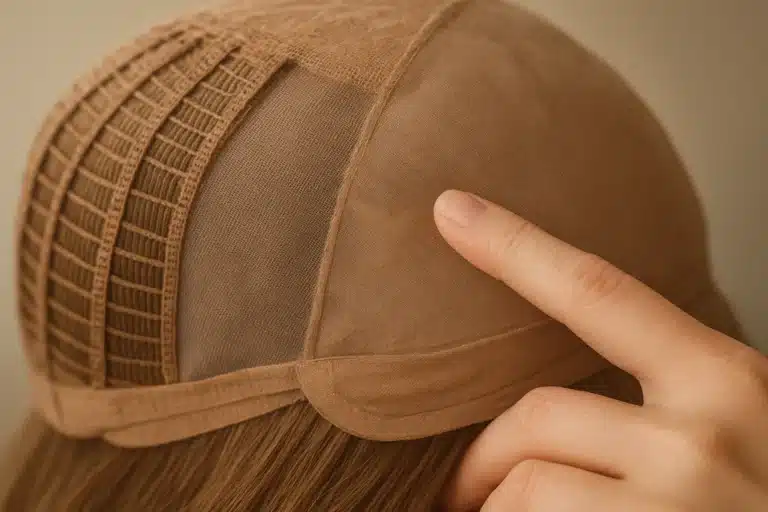
- Cap Stitching Integrity: Turn the wig inside out. Are the wefts securely sewn? Are there any loose threads or warped tracks?
- Shedding Stress Test: Run your fingers very gently through the ends. A loose hair or two is normal; clumps are a massive red flag.
- Fiber Smell Check: Do a quick scent check. Does it smell like factory chemicals, or does it smell suspiciously like perfume or cigarette smoke from a previous try-on?
- Nape Tangling: Check the hair at the base of the neck. This area is highly prone to friction frizz. If it looks rough in the store, don’t buy it.
- Lighting Check: Fluorescent store lighting distorts hair color. Ask the associate if you can hold the wig near a window to see the shade in natural daylight.
Navigating Non-Traditional Exchanges
If you find yourself stuck with a final-sale wig you don’t love, you aren’t entirely out of options. Many Charlotte wig enthusiasts participate in non-traditional avenues.
Community wig swaps and white elephant wig exchanges have become incredibly popular. The informal rules for these events mirror retail sanitation: units must be washed, sanitized, completely free of adhesives, and accurately represented. Some local charities and recycled hair initiatives will also accept gently handled wigs to donate to those experiencing medical hair loss, allowing you to turn a frustrating purchase into a beautiful gift for someone in need.
Frequently Asked Questions
Why do stores charge a restocking fee for wigs?
Restocking fees (which usually range from 15% to 30%) cover the labor and material costs of inspecting, sanitizing, re-netting, and repackaging the hairpiece to factory standards. Since profit margins on synthetic wigs are relatively low, retailers use these fees to offset the financial loss of taking an item out of circulation.
What is the difference between human hair and synthetic return rules?
Synthetic wigs are highly prone to friction frizz and permanent alteration, making them almost universally final sale at local brick-and-mortar stores. Human hair wigs, being more durable and expensive, are more likely to qualify for limited 5-to-15-day exchange windows, though they remain subject to rigorous inspection.
Can I dispute a final sale if the wig is defective?
Yes. If you discover a legitimate manufacturer defect (e.g., severe tracks shedding, bald patches, or mislabeled fiber content), document it immediately with clear photos. A store’s “Final Sale” policy does not legally protect them from selling misrepresented merchandise. If the retailer refuses to help, you can use your photo documentation to initiate a chargeback with your credit card company.
Does a medical prescription for a cranial prosthesis guarantee a return?
No. While a medical prescription can help you secure insurance reimbursement for a cranial prosthesis, it does not force a retailer to accept a return. In fact, because medical wigs are heavily classified as sanitary items, they are often subject to the strictest non-returnable policies once they leave the boutique.
Next Steps for Your Hair Journey
Navigating wig returns in Charlotte doesn’t have to be intimidating. By understanding the strict hygiene standards of the industry, performing a meticulous pre-purchase audit, and knowing exactly what actions void a warranty, you can shop with the expertise of a seasoned pro.
Take your time during the selection process. Ask questions about the specific fiber content, request to see the wig in natural lighting, and always ask for a clear, written explanation of the return policy before you make your payment. Armed with this knowledge, you are ready to find a beautiful, high-quality hairpiece that perfectly matches your style and needs.