Navigating hair loss—whether driven by chemotherapy, alopecia areata, trichotillomania, or genetic thinning—is an incredibly personal and physically sensitive journey. For many individuals in Northeast Ohio, the search for a realistic hair replacement solution often begins with a mix of hope and anxiety. The reality is that the sensory shock of trying on your first wig can be overwhelming. Basic, mass-produced wigs often feel heavy, hot, and itchy against a bare scalp, leaving you feeling frustrated and self-conscious.
But it absolutely doesn’t have to be that way. True comfort and confidence rely on understanding modern wig cap mechanics and knowing exactly where to find compassionate experts who can help. If you’re exploring local options, checking out the ultimate guide to the best wig stores in Cleveland OH is a fantastic first step to connecting with regional specialists who understand cap anatomy, scalp preservation, and personalized fittings. Today, we’re going to pull back the curtain on the gold standard of natural hair replacement: the monofilament wig.
Deconstructing the “Scalp Illusion”: What Is a Monofilament Wig?
To understand why a basic wig feels hot or artificial, we have to look under the hood. Traditional machine-made wigs are built by sewing rows of hair (wefts) onto elastic strips. To hide the elastic, manufacturers pack in extra hair at the roots, creating a dense, puffy look often called the “wig bump” or “perma-tease.”
Monofilament (often called “mono”) completely changes the game.
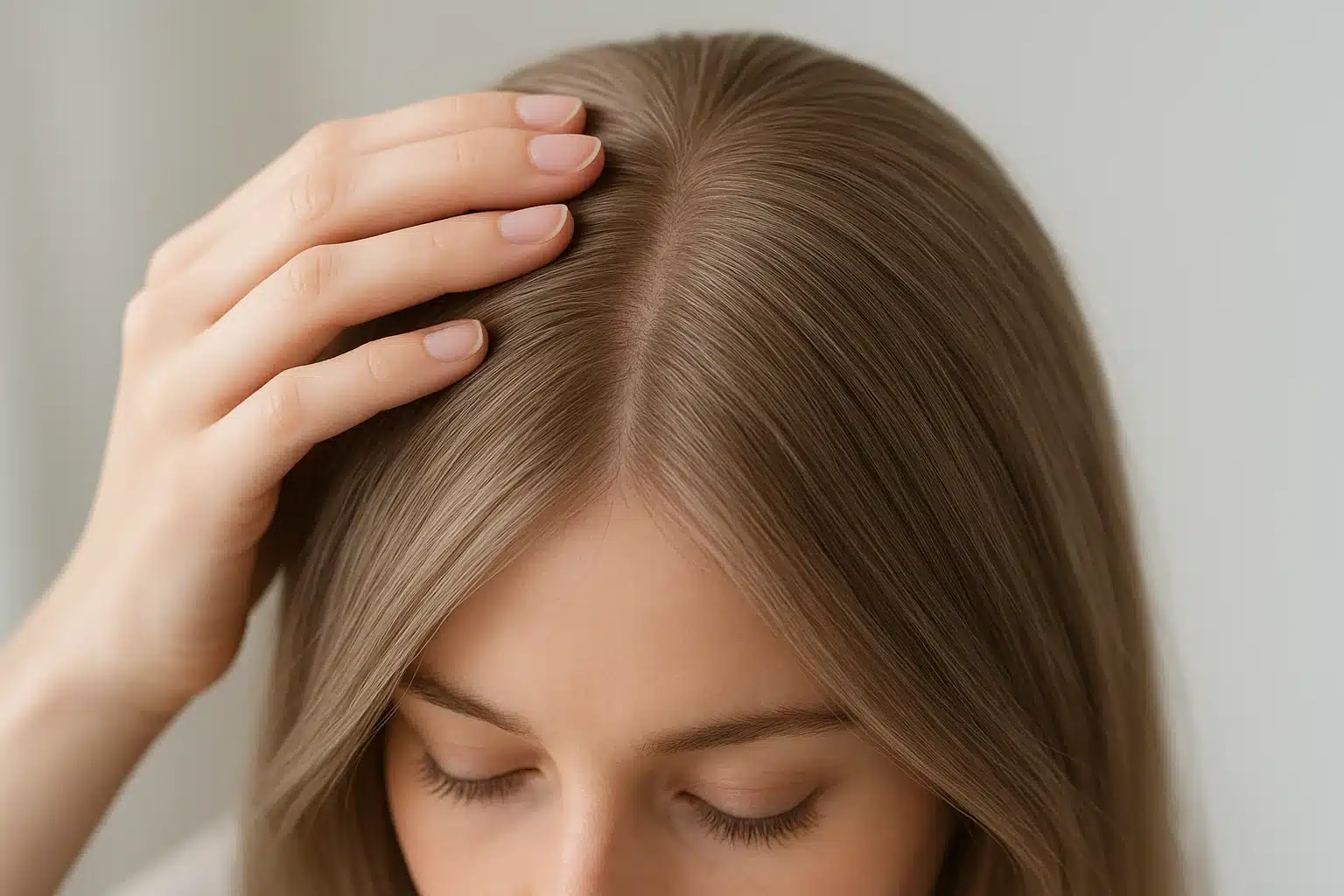
Imagine a fine-gauge theater scrim or a microscopic sheer nylon mesh. Instead of sewing rows of hair with a machine, skilled artisans take individual strands of hair and hand-tie them directly into this translucent, micro-fine mesh. When you place a monofilament cap against your head, your own natural skin tone filters right through the mesh. The result? It looks exactly like natural hair growing directly out of your scalp. This provides 360-degree, multidirectional movement, allowing you to part your hair wherever you like.
Navigating Monofilament Cap Construction
Not all mono caps are created equal. Depending on your budget and scalp sensitivity, you’ll encounter a few different architectural styles:
- The Monofilament Part: A budget-friendly option where only the exact part line features hand-tied mesh. It offers great realism but locks you into a fixed parting style.
- The Monofilament Top (Mono Top): The entire crown of the head is made of sheer mesh. This gives you total, unrestricted parting freedom and simulates a natural cowlick perfectly.
- The Double Monofilament: The absolute gold standard for oncology patients and those with total alopecia. Single mono tops have tiny, exposed hand-knots underneath that can abrade a chemotherapy-sensitized scalp. A double mono cap features a secondary, glass-silk layer that buffers these knots, offering incredibly soft protection against friction and inflammation.
Mastering Color, Density, and Realism
If you’ve ever scrolled through realistic looking wigs Reddit threads, you’ll notice two major complaints about alternative hair: unnatural density and visible knots on lighter hair shades.
Industry blogs often obsess over whether a wig is made of synthetic or human hair, but they ignore a crucial secret: density is the main cue for realism. Machine-made wigs often feature 150% density or higher, which can immediately look “fake.” Because monofilament tops allow the scalp to show through, they can be crafted at a much more natural 100% to 120% density. This lower density moves, falls, and tucks behind the ear just like biological hair.
Then, there is the challenge of light-colored hair. Finding realistic looking blonde wigs or natural looking gray wigs can be tricky because the tiny knots used to tie the hair to the mesh can sometimes look like dark little dots against a pale scalp. High-quality monofilament wigs solve this by using expertly bleached knots or a double-layered silk interior that completely camouflages the tie-in point, giving platinum and silver-gray styles a flawlessly rooted appearance.
The Greater Cleveland Healthcare and Retail Navigation Matrix
Finding the right cap is only half the battle; the other half is knowing how to navigate the local landscape of Greater Cleveland. Northeast Ohio’s unique climate and premier healthcare systems create a specific environment for wig shoppers.
Adapting to the Lake Erie Climate
How do breathable wigs regulate heat during humid Cleveland summers versus frigid, dry lake-effect winters? The secret is hybrid engineering. Many top-tier wigs combine a monofilament top (for the natural scalp illusion) with an open-wefted stretch back. These open wefts allow maximum air cross-flow, helping sweat evaporate during muggy July days, while synthetic “fiber memory” ensures your style won’t fall flat in February’s dry static.
Navigating Local Boutiques and Clinical Care
Cleveland is home to world-class medical facilities like the Cleveland Clinic Taussig Cancer Center and University Hospitals Seidman Cancer Center. When undergoing medical treatments, you want to seek out specialized local boutiques—such as Van Scoy Hair Clinics, 22nd Street Hair Studio, or hospital-affiliated wellness centers—that offer private fitting suites.
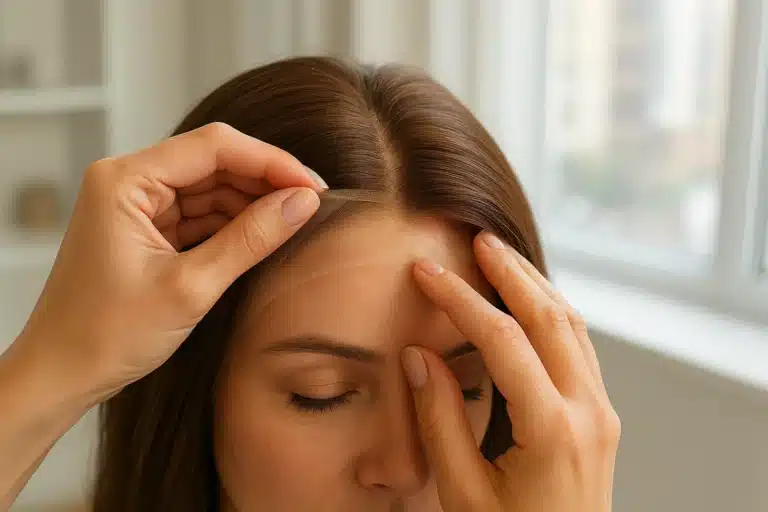
A true professional fitter will use the “Four-Finger Rule” to ensure your wig looks incredibly natural. By placing four fingers above your brow bone, they can determine the exact anatomical placement for your new hairline, ensuring the wig doesn’t sit too low on the forehead (a classic telltale wig giveaway).
The Insurance Playbook: Cranial Prostheses
If your hair loss is medical, you aren’t buying a wig; you are being prescribed a “cranial prosthesis.” To qualify for insurance reimbursement or to use your HSA/FSA funds:
- Ask your Cleveland oncologist or dermatologist for a prescription for a “cranial prosthesis.”
- Ensure the prescription includes the correct ICD-10 diagnostic codes (e.g., L63.0 for Alopecia totalis, L65.9 for non-scarring hair loss).
- Purchase from a retailer that can provide a specialized receipt with an NPI (National Provider Identifier) number if required by your carrier (like Medical Mutual or Anthem BCBS).
Actionable Care & Longevity Checklist
Monofilament wigs are investment pieces. Because the hair is individually hand-tied into a delicate mesh, they require mindful care to ensure longevity.
- Avoid Tension Tears: Never pull or tug your wig from the monofilament mesh at the top. Always adjust your wig by holding the sturdy ear tabs or the reinforced nape at the back of the neck.
- Scalp Hygiene & Sweat Management: If you are dealing with hot flashes or summer humidity, consider wearing a seamless bamboo wig liner. Bamboo is naturally moisture-wicking and antimicrobial, pulling sweat away from the delicate mono top and extending the time between washes.
- Brushing Protocols: Use a specialized looped wig brush or a wide-tooth comb. Start detangling from the ends of the hair and gently work your way up to the roots to prevent yanking knots out of the mesh.
Frequently Asked Questions About Monofilament Wigs
What is the difference between a monofilament wig and a lace front wig?
A monofilament top refers to the mesh on the crown of the head, allowing for natural parting and scalp visibility. A lace front refers to a sheer lace material exclusively at the front hairline, allowing you to sweep the hair completely off your face. Many high-quality wigs feature both: a lace front for an invisible hairline and a mono top for realistic parting.
Why does a basic wig cap itch against a bare scalp?
Basic machine-made caps have exposed seams, stiff structural wefts, and sometimes coarser materials that rub against the skin. For someone with alopecia or undergoing chemotherapy, the scalp is highly sensitized. Double monofilament caps provide a smooth, silk-like barrier that eliminates this abrasive friction.
Can I buy a monofilament wig online and have it customized in Cleveland?
Yes! Many wearers find the exact cap construction and color they love online. You can then bring that wig to a licensed cosmetologist who specializes in alternative hair in the Greater Cleveland area. They can perform essential hands-on alterations like custom thinning, face-framing layers, and precise trimming of the lace or mesh perimeters.
Your Next Steps on This Journey
Navigating alternative hair for the first time is a learning curve, but you don’t have to walk it alone. By understanding the mechanics of monofilament construction, the visual importance of hair density, and how to advocate for your medical needs in Greater Cleveland, you are already empowered to make a confident choice.
Take your time. Feel the materials. Ask potential retailers if they offer double monofilament options or private consultation rooms. The right hairpiece won’t just look natural to the outside world—it will feel like a comfortable, breathable extension of yourself.