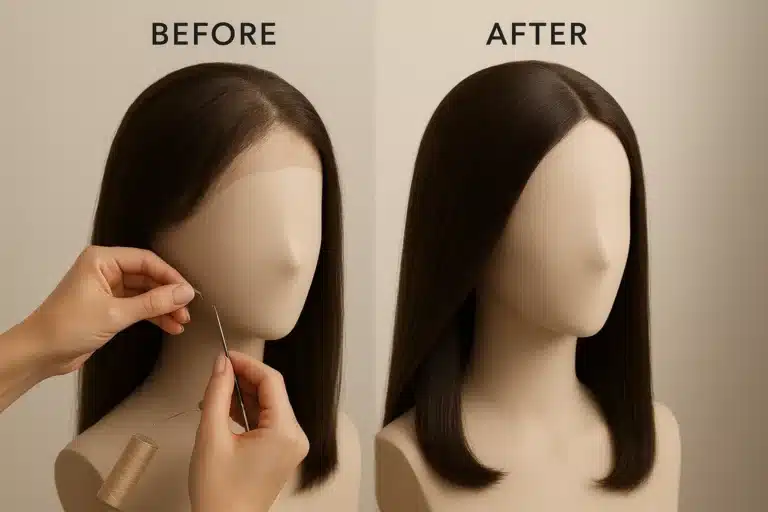

Stepping into the world of hair enhancement can feel incredibly daunting, especially when you are trying to differentiate between synthetic fibers, medical prosthetics, and custom lace fronts for the very first time. Whether you are exploring alopecia wigs in Detroit or simply looking for a beautiful protective style to give your natural hair a break, the sheer volume of choices can trigger choice paralysis. You might find yourself staring at a wall of boxed units, wondering how to make the right decision without making a costly mistake.
While experienced shoppers often find clarity by navigating the best wig stores in Detroit MI across neighborhoods like Southfield, Livernois, and 7 Mile, first-time buyers need more than just a list of addresses. You need a trusted roadmap. You need to know exactly what happens inside a local fitting room, how to advocate for your budget, and which technical specifications guarantee both comfort and a natural look.
Welcome to your definitive field guide for local wig shopping in Southeast Michigan.
Decoding Wig Anatomy Before You Step Foot in a Store
Before you walk through the doors of any local boutique, you need a basic understanding of wig anatomy. Knowing these terms will prevent you from feeling overwhelmed by store jargon and help you find a piece that matches your lifestyle and sensitive scalp needs.
Cap Construction Hierarchy
The “cap” is the base material that the hair is attached to. It dictates how the wig breathes, how it parts, and how much it costs.
- Basic Machine-Made (Open-Weft): These caps feature rows of hair sewn onto elastic strips with gaps in between. They offer maximum airflow and built-in root volume (permatease). They are incredibly budget-friendly and great for beginners, though the parting space is fixed.
- Lace Front: Featuring a sheer mesh panel at the forehead, a lace front wig gives the illusion of hair growing directly from your scalp. This allows you to pull the hair off your face naturally.
- Monofilament (Top or Part): This hand-tied sheer base mimics the look of a natural scalp. It allows for multi-directional parting freedom, meaning you can flip your hair left, right, or center just like biological hair.
- Full Hand-Tied / 360 Lace: The ultimate in realism and comfort. Every single hair is tied by hand to a soft, stretchy cap. Because it lacks rigid seams, it is the softest option for sensitive scalps, making it highly recommended for medical hair loss.
Hair Fiber Trade-Offs
- Traditional Synthetic: A wonderful, low-maintenance option. Synthetic fibers have “style memory,” meaning they bounce back to their original style after washing. However, they cannot be heat-styled and are vulnerable to friction.
- Heat-Friendly Synthetic: These fibers tolerate controlled thermal styling (usually up to 280°F–320°F), offering more versatility, though they typically have a slightly shorter lifespan than traditional synthetics.
- Virgin/Remy Human Hair: The gold standard for a natural look and feel. Human hair features natural cuticle alignment and offers full salon versatility (cut, color, curl). It requires the same consistent moisture and styling maintenance as your own natural hair.
The Detroit Retail Landscape: Three Types of Stores You Will Encounter
Detroit boasts a rich, diverse beauty heritage, but not all wig shops serve the same purpose. Understanding the three distinct retail corridors in the Metro area will help you set the right expectations.
Neighborhood Beauty Supply Giants (7 Mile, Livernois, Woodward)
These high-volume commercial retailers are fast-paced and packed floor-to-ceiling with inventory.
- What to Expect: Hundreds of boxed units on display with self-service or fast-counter assistance.
- Best For: Inexpensive synthetic units, headband wigs, experimentation, and grabbing maintenance accessories on the go.
- Caution: These locations rarely offer private consultation rooms and almost always enforce strict no-return policies once the packaging is opened.
Custom Wig Boutiques & Styling Studios (Downtown Detroit, Southfield)
These are elevated, appointment-centric salons focusing on highly tailored cosmetic looks.
- What to Expect: One-on-one private appointments, professional measurements, and custom cap construction using raw bundles and HD lace.
- Best For: Long-term wearers who want a glueless unit fitted perfectly to their face shape, complete with custom coloring and lace bleaching.
Accredited Medical Cranial Prosthesis Studios (Oakland County)
For those seeking chemotherapy wigs in Detroit or solutions for severe alopecia, medical clinics in areas like Farmington Hills, Birmingham, and Troy provide a completely different experience.
- What to Expect: Clinical privacy, HIPAA-conscious private fitting rooms, and empathetic consultations tailored specifically to patients experiencing medical hair loss.
- Insurance Nuance: Staff at these studios can guide you through billing code A9282 (Cranial Prosthesis) and help you process an itemized prescription from your oncologist or dermatologist for insurance reimbursement.
The In-Store Fitting Protocol (And Red Flags to Watch For)
When you are trying on Detroit wigs for the first time, knowing your rights as a consumer and the unwritten rules of store etiquette is crucial.
Boutique Etiquette and Sizing
Always wear a nylon or mesh hygiene cap before trying on display units—it’s mandatory in reputable shops. When you find a piece you like, ask the consultant if you can view it near a front window; harsh overhead fluorescent store lighting can drastically alter how hair color and lace match your skin tone.
Your consultant should also measure your head. A standard circumference is 21.5″ (Petite), 22″ (Average), or 22.5″+ (Large). If they don’t offer to measure you, politely request it.
The “Point of No Return” (The Lace-Cut Trap)
This is the single most important rule for first-time buyers: Cutting the lace voids the return policy. Often, a well-meaning store clerk will offer, “Let me trim that lace for you so you can walk out wearing it!” While tempting, allowing scissors near the lace instantly converts the sale into a final, non-refundable transaction.
Always confirm cap comfort, ensure the ear-tabs align correctly, and check for pressure at the crown by wearing the wig for at least 15 minutes in the store before you allow the lace to be cut.
Resisting the Upsell
It’s common for stores to recommend heavy-duty liquid adhesives. If you are a beginner, kindly decline the $100 adhesive packages. You are much better served starting with a simple, affordable silicone wig grip band, which creates friction to hold the unit securely without glue.
Overcoming Beginner Stigmas & First-Time Scenarios
The “Wiggy” Look Deconstructed
Beginners often fear that everyone will know they are wearing a wig. Usually, a wig looks “fake” due to two easily correctable mistakes:
- Improper Hairline Placement: Many beginners pull the wig cap too low onto their forehead muscles. The front edge of the wig should sit exactly where your natural hairline is—typically four finger-widths above your eyebrows.
- Excessive Density: High density (150%–180%) is frequently marketed as “luxurious,” but on a novice, it often looks helmet-like. Beginners usually look best in 120%–130% density, which mimics natural, everyday hair volume.
Navigating Michigan Weather
Southeast Michigan weather puts hairpieces to the test. High-humidity Detroit summers can cause standard synthetics to frizz from friction at the collar, while freezing indoor heating in the winter strips moisture from human hair, creating static. Counteract summer sweat with a breathable glueless silicone grip (rather than melting glues), and combat winter static by wearing a silk liner beneath your cap.
Wearing a Wig to Work: The 4-Stage Transition Plan
Debuting your new hair at work doesn’t have to be nerve-wracking. Follow this desensitization timeline:
- Day 1 & 2 (Desensitization): Wear the wig at home for a few hours while doing household chores. This tests for tension, slippage, and headaches in a safe environment.
- Day 3 (The Low-Stakes Errand): Wear it on a quick grocery run to evaluate how it handles outdoor wind and natural movement.
- Day 4 (The Office): Opt for a style and density close to your natural texture. Keep a “Desk Rescue Kit” in your bag featuring a mini wide-tooth comb, bobby pins matching your cap color, and a travel-size silicone anti-friction spray. If a curious coworker mentions your hair, a simple, “Thanks! I decided to switch up my cut and protect my natural hair” is all you need to say.
The Detroit Buyer’s In-Store Consultation Checklist
Before handing over your credit card, ask the store clerk these essential questions:
- Is this fiber traditional synthetic, heat-defiant, or human hair?
- What is the cap size, and can it be adjusted for a smaller/larger circumference?
- Does this cap feature a lace front or monofilament top?
- What is your exact return and exchange policy?
- If I have the lace trimmed in-store today, does that make the item final sale?
- Do you offer medical receipts for insurance reimbursement (Cranial Prosthesis)?
Frequently Asked Questions for First-Time Buyers
How do I measure my head so the wig doesn’t slide off or give me a headache?
You need three primary measurements using a soft measuring tape: Circumference (around the hairline), Front-to-Nape (from your forehead hairline over the crown to the base of your neck), and Ear-to-Ear (across the top of your head). Getting these right ensures the ear tabs don’t dig into your temples and the back doesn’t ride up.
Can Detroit beauty supply stores cut and customize a wig, or do I need a specialized salon?
Most high-volume beauty supply stores along 7 Mile or Livernois do not offer in-house customization like thinning out bulk or custom plucking. If you need a unit heavily customized, thinned, or colored, you will want to book an appointment at a specialized custom wig boutique or take your purchased unit to a licensed stylist who specializes in alternative hair.
What is the protocol for trying on wigs if I have sensitive skin or a medical condition?
For patients undergoing chemotherapy or experiencing advanced alopecia, prioritize Accredited Medical Cranial Prosthesis Studios. These environments are strictly sanitized, offer private rooms, and focus on caps that are 100% hand-tied or feature double-monofilament tops designed specifically not to irritate bare scalps.
Taking Your Next Steps with Confidence
Buying your first wig is an emotional, deeply personal journey, but armed with the right knowledge, it can also be an incredibly empowering one. By understanding cap construction, knowing which local Detroit retail environment suits your needs, and advocating for yourself in the fitting room, you transform from an anxious beginner into a confident, educated consumer.
Take your time, ask questions, and remember that the perfect fit is out there waiting for you.