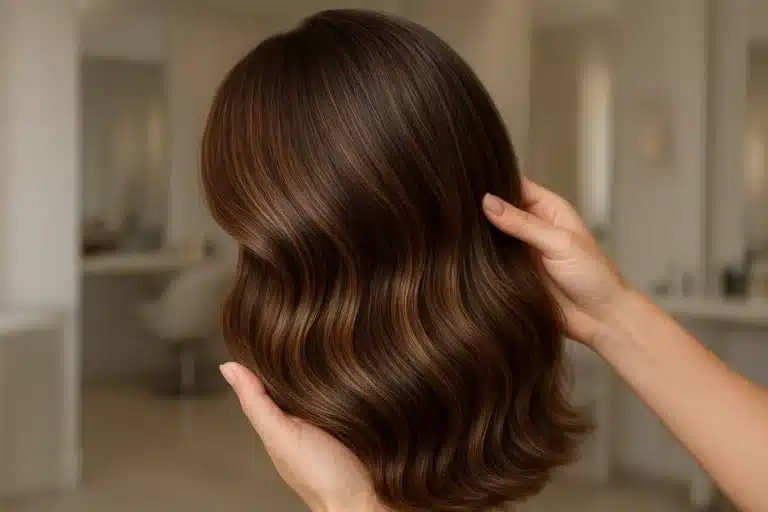

If you’ve ever stepped out into the sweltering South Texas air in mid-July, you know the drill. The humidity hits you instantly, and if you’re wearing a wig, a beautiful style can quickly transform into a hotbed of discomfort. With over 115 days a year baking above 90°F and muggy relative humidity consistently soaring past 70% from May through September, the San Antonio climate creates an unforgiving environment for alternative hair wearers. Suddenly, generic advice like “just wear a ponytail” feels woefully inadequate when you’re battling trapped heat, lifting adhesives, and scalp irritation.
Whether you are navigating medical hair loss, alopecia, or simply seeking a beautiful protective style, finding the right piece in this climate requires specialized, localized expertise. While our foundational guide covers the broader retail landscape of wig stores in San Antonio, this specific resource dives deep into the science of warm-weather wig wearing. We’re breaking down the physics of breathable caps, featherlight fibers, and sweat-resistant styling so you can navigate the River Walk or a summer garden party with total confidence—without breaking a sweat.
The Physics of Trapped Scalp Heat: Breaking the “Helmet Effect”
The human head is a powerful radiator, naturally designed to dissipate significant body heat through convection. When you cover your scalp with a solid polyurethane or heavy silicone base, you effectively insulate it. In San Antonio’s heat, this traps thermal energy against your skin, creating what we call the “helmet effect.”
Beyond simple discomfort, trapping heat and sweat against the scalp can lead to contact dermatitis, heat rashes, and an environment ripe for bacterial buildup. Understanding how to facilitate airflow—creating a “chimney effect” where warm air rises out and ambient air circulates in—is the single most important factor in warm-weather wig shopping.
Cap Construction Masterclass: The Thermal Release Hierarchy
Not all wigs are created equal when it comes to breathability. If you want a comfortable wig for the Texas summer, you need to look at the architectural foundation: the cap.
Open-Weft / Capless Wigs
Despite the confusing industry name, “capless” wigs do have a cap—it’s just constructed with spaced-out “curtain wefts” of hair rather than a solid material. These gaps allow for maximum chimney airflow. If sheer coolness is your top priority, an open-wefted cap is your best defense against the heat.
The Hybrid: Lace-Front + Open-Weft Back
This is often considered the gold standard for South Texas heat. It provides the undetectable, natural-looking hairline of a lace front, paired with the open-air circulation of a wefted back. You get absolute realism around the face without feeling like you’re wearing an insulated blanket.
Monofilament & Silk Tops
These caps offer incredible realism by mimicking a natural scalp when parted. However, the tightly woven micro-mesh and double-silk layers trap more thermal energy. While beautiful, they require careful consideration of hair density to ensure they don’t overheat the wearer in prolonged outdoor settings.
100% Hand-Tied Caps
Often highly recommended for oncology or alopecia patients due to their incredibly soft, friction-free interior, hand-tied caps are incredibly gentle on sensitive scalps. The trade-off is that they are entirely closed mesh. To wear these comfortably in high heat, you must choose a low-density hair fiber.
Fiber Science & Summer Silhouettes
It’s a common misconception that because human hair is natural, it must be cooler. In a high-humidity environment like San Antonio, the opposite is often true.
Human hair is highly porous. It swells, absorbs atmospheric moisture, gains physical weight, and eventually collapses into frizz during a humid morning commute. High-grade, lightweight synthetic fibers (low denier), on the other hand, are engineered to resist moisture. They possess “style memory,” meaning a synthetic bob will retain its perfect curl or sleek straightness regardless of the dew point.
When shopping for lightweight wigs, aim for densities between 100% and 120%. Heavy fashion densities (150%–180%) will weigh heavily on your neck and trap heat.
Top 4 Silhouettes for Hot Climates
- Tapered Nape Pixies: Zero hair rests on your neck, maximizing evaporative cooling.
- Graduated/Stacked Bobs: Elevates the bulk of the hair off your collar while framing the face.
- Wispy Shags: Incorporates internal layers that extract bulk while allowing the wind to pass through.
- Glueless Up-Do Compatible Units: Allows you to safely lift the hair into a loose claw-clip without exposing the wig’s foundation.
The Cap-Liner Evaporation Protocol
If you’ve been wearing traditional nylon stocking caps under your wig, you might be accidentally incubating heat. Nylon seals moisture directly against the scalp.
Instead, upgrade your sweat management:
- Bamboo Viscose Liners: Bamboo is naturally antimicrobial, thermo-regulating, and highly absorbent. However, if it becomes saturated on a hot day, it needs to be swapped out for a fresh one to prevent irritation.
- Ventilated Fishnet Mesh: Offers no absorption but maximizes airflow, keeping the wig secure without adding insulation.
- Glueless Silicone Grip Bands: In extreme heat, liquid liquid adhesives can melt into a sticky residue. A velvet or perforated silicone wig grip anchors the wig securely without glue, while letting your scalp breathe.
Navigating the Local Landscape: San Antonio Boutique Directory
San Antonio shoppers need stores that understand the assignment: private fitting rooms, master thinning services, and compassionate care. Here are some of the standout specialized boutiques in the area:
- San Antonio Wigs & Hair Salon (Loop 410 / Central): With over 25 years of experience, they are renowned for in-house custom thinning and cuts, carving out internal weight so your wig breathes perfectly.
- The Pink Boutique (Medical Center): A sanctuary for those facing medical hair loss. They provide compassionate care, specialize in medical-grade lightweight caps, and assist with insurance filing.
- Skin & Wigs Etc. (Fredericksburg Rd): Experts in the exact fitting of medical cranial prostheses, ensuring a secure, friction-free fit.
- Benjamin Hair & Co. (North Central / Loop 1604): Known for custom human hair and synthetic hybrid adaptations tailored to individual lifestyles.
The Local Shopper’s Vetting Script
When you visit a local boutique, use this checklist to ensure you’re getting a climate-appropriate piece:
- “Can you show me your open-weft or hybrid cap options?”
- “Is this fiber low-denier (fine) or high-denier (thick)?”
- “Can your in-house stylist thin the bulk from the crown without exposing the wefts?”
- “Do you provide assistance with medical billing codes (HCPCS A9282) for cranial prostheses?”
Styling and Heat Tool Safety
If your wig feels too bulky, a stylist can thin it, but what about flattening the root volume at home? Many wearers reach for a hot comb, but using stovetop or unregulated electric combs is a fast track to melting synthetic fibers or scorching delicate Swiss lace hairlines.
When selecting the best hot comb for wigs, look for ceramic tools with precise digital heat controls. Keep temperatures between 240°F–280°F for heat-friendly synthetics, and never exceed 350°F for human hair.
Furthermore, ensure your wig is fitted correctly. A common mistake in hot weather is over-tightening the adjustable ear tabs to prevent the wig from slipping when sweaty. This causes tension headaches! Instead, rely on the “4-Finger Rule”—place four fingers horizontally above your eyebrows to find your natural hairline, and ensure the wig is anchored at the occipital bone at the nape of your neck, not clamped at the temples.
Frequently Asked Questions
Will wearing a wig in Texas heat give me a heat rash?
It can, if you are wearing a solid, unventilated cap with a nylon liner. To prevent heat rash, choose an open-wefted cap, use an antimicrobial bamboo liner (and change it if it gets sweaty), and cleanse your scalp nightly with an alcohol-free witch hazel or zinc PCA scalp mist.
Are synthetic or human hair wigs cooler in high humidity?
High-quality, low-density synthetic wigs are generally better for humid environments. Unlike human hair, which swells, holds water weight, and frizzes, synthetic fibers repel atmospheric moisture and maintain their style memory all day.
Why is my lace lifting after a few hours outside at the Pearl?
Sweat contains salts and oils that rapidly break down traditional liquid adhesives and tapes. If you’ll be outside in the heat, switch to a glueless silicone wig grip or sweat-resistant velvet tab system instead of relying solely on adhesives.
How often should I wash my wig in the summer?
In hot climates, sweat salts accumulate on the inner cap materials quickly. You should wash your wig every 6–8 wears during the summer. Always dry and store your wig on an open wire wig stand, avoiding closed styrofoam heads that trap moisture inside the cap.
Finding Your Comfort Zone
You shouldn’t have to choose between beautiful hair and physical comfort, even in the heart of a Texas summer. By understanding the basics of cap ventilation, fiber weight, and proper scalp care, you can transform your relationship with alternative hair.
Take the time to explore your local San Antonio boutiques, ask questions about breathability, and remember that the right wig should empower you to live your life fully—whether you’re indoors in the AC or braving the beautiful, sun-drenched outdoors.