Many of us know the sinking feeling. Maybe you’ve experienced the infamous, anxiety-inducing dream of hair loss, where you wake up in a panic, only to realize the real-life stress of thinning hair is just as heavy. For decades, the industry’s answer to this profound psychological burden has been heavy, uncomfortable wigs or temporary hair coverings for hair loss that require you to fundamentally alter your lifestyle. You’re told to avoid swimming, be careful in the wind, and prepare for uncomfortable heat in the summer. But what if hair restoration wasn’t about covering up, but rather seamlessly integrating a biological “second skin”?
Welcome to the pinnacle of non-surgical hair replacement. If you are exploring a Cesare Ragazzi hair system, you’re likely discovering that this isn’t just another mass-produced hairpiece. The Cesare Ragazzi Capelli Naturali a Contatto (CNC) system represents a massive leap forward in biomimetic technology and medical-grade engineering.
If you are trying to make sense of your options, let’s pull back the curtain and demystify the proprietary Italian 3D-printing process, the material science, and the biological integration that makes this custom solution virtually undetectable.
The Science of the “Second Scalp”: How CNC Actually Works
Most standard toupees or hair club hair systems rely on stock polyester, monofilament mesh, or cheap polyurethane bases. These materials can trap heat, hold onto sweat, and risk causing contact dermatitis.
The Cesare Ragazzi CNC system approaches the problem entirely differently. It is an FDA-cleared, dermatologically tested medical device crafted through a rigorous 39-phase manufacturing cycle at the CRLAB (Cesare Ragazzi Laboratories) in Zola Predosa, Italy. The process takes roughly three months to complete, and for good reason. Here is exactly what happens during that time.
Phase 1: Digital Scalp Mapping & Cast Production
Your head is as unique as your fingerprint. To ensure a flawless fit—especially for a natural hairline hair system—clinical technicians start by digitally mapping your scalp’s micrometric contours. This computerized topographic scan reads the exact dips, curves, and areas of alopecia on your head.
From this digital scan, a physical plaster cast is hand-poured. This physical reproduction acts as the exact blueprint for the 3D-printing phase, ensuring the final piece will sit perfectly flush against your skin without any gaps or lifting.
Phase 2: The Biocompatible Polymeric Resin
This is where the magic of material science comes in. Instead of weaving hair into a fabric mesh, the CNC system uses a proprietary, medical-grade, hypoallergenic co-polymer resin.
Think of this as a breathable second skin. The resin is 3D-printed to match not only the exact contours of your scalp but also your specific skin tone and blood flow variations. Because it is designed to mimic the human scalp’s thermal conductivity and thickness, it allows for normal heat dissipation and perspiration. This is crucial for maintaining a healthy scalp microbiome and natural pH, preventing the bacterial buildup often associated with generic hairpieces.
Phase 3: Sourcing and Hand-Injecting Virgin Human Hair
The hair used in standard systems is often acid-bathed to strip the cuticles and coated in silicone for temporary shine. This hair quickly tangles and degrades.
CRLAB exclusively uses premium, 100% unprocessed virgin human hair with intact cuticles. Master artisans in Italy implant these individual hair strands into the printed resin base one by one. Using a technique called micro-ventilation, they place each hair at the exact angle, density gradient, and curl pattern of your natural hair growth. The result? Hair that moves, parts, and falls exactly as it would naturally—whether you’re standing in a breeze or stepping out of the shower.
Real Life with a Medical-Grade Cranial Prosthesis
The biggest question most people have is: How does this actually impact my day-to-day life?
Because the CNC system utilizes a liquid co-polymer, medical-grade adhesive, it forms a secure, skin-safe, breathable bond. This isn’t double-sided toupee tape. You can engage in high-intensity workouts, swim in chlorine or saltwater, practice hot yoga, and wash your hair in the shower just like anyone else.
The Monthly Maintenance Lifecycle
While the CNC system gives you ultimate daily freedom, it does require a strict 3-to-4-week salon maintenance schedule. Because natural oils, sebum, and dead skin cells naturally shed from your scalp, the system must be periodically detached for hygiene.
A professional salon hair loss treatment for CNC wearers involves:
- Painless removal of the prosthesis using a specialized, skin-safe solvent.
- Deep cleaning and sanitization of the polymeric base.
- Scalp exfoliation, washing, and treatment of any natural hair growing underneath.
- Trimming the natural hair in the adhesion zone (which is critical if you are wearing a partial or small hair system).
- Re-application of the medical-grade adhesive and professional styling.
Comparing Your Options: CNC vs. Standard Hair Systems
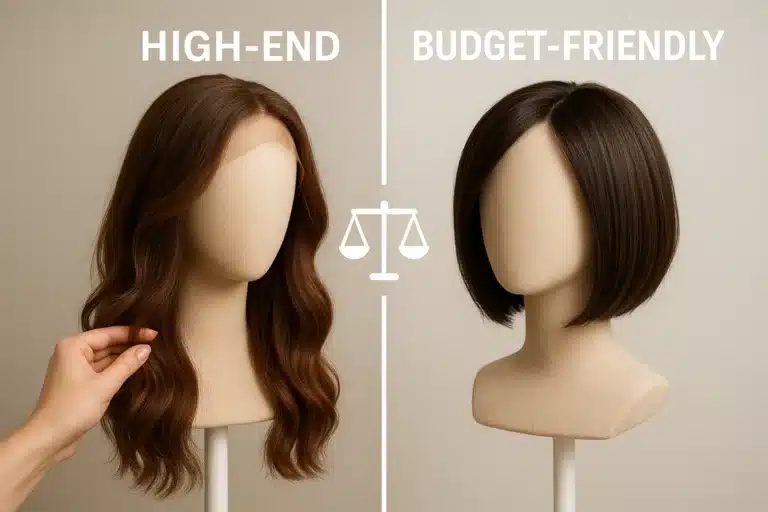
Understanding the differences in the market can help clarify why hair restoration systems vary so wildly in price and performance.
| Feature | Cesare Ragazzi CNC | Standard Hair Club System |
|---|---|---|
| Base Material | 3D-Printed Biocompatible Polymeric Resin | Stock Polyester, Monofilament Mesh, or Polyurethane |
| Customization | 100% Scalp Contour Mapped (Flawless fit) | Cut-to-shape stock bases |
| Hair Quality | Unprocessed Premium Virgin Human Hair (Cuticle intact) | Acid-bathed, silicone-coated processed hair |
| Scalp Breathability | Excellent (Hypoallergenic, maintains natural pH) | Moderate to Poor (Risk of contact dermatitis and odor) |
| Average Lifespan | Up to 18 Months (with proper care) | 3 to 6 Months |
Pop Culture & Hair Restoration Myths
Internet searches are flooded with queries about celebrity hair loss—from “Chris Martin hair loss” to “Cory Cotton hair loss” rumors. While we can rarely confirm exactly what public figures do to maintain their image, these searches highlight a crucial reality: high-end, completely undetectable hair restoration exists, and it’s what allows people in the public eye to seamlessly transition from visible thinning to full, natural-looking heads of hair.
Often, people assume celebrities either get surgical hair transplants or just possess lucky genetics. The reality is that premium cranial prostheses like the CNC system are frequently the secret behind flawless celebrity hair, offering immediate volume without the risks, scarring, or downtime of surgery.
The Financial Reality
Let’s talk transparently about cost. The barrier to entry for many prospective wearers is the price tag. Because of the 3-month manufacturing process in Italy, the premium materials, and the custom engineering, a CNC system requires an upfront investment generally ranging from $3,000 to $10,000+.
While standard hair clubs may offer a low entry fee, they typically lock you into ongoing monthly subscriptions that require replacing the low-quality hairpiece 3 to 4 times a year. The CNC system, when properly maintained, boasts an average lifespan of up to 18 months, offering an investment in profound durability, physical comfort, and unparalleled realism.
Frequently Asked Questions
Is the CNC system a wig?
No. A wig is typically a mass-produced, removable cap that covers the entire head and is taken off daily. The CNC is an FDA-cleared cranial prosthesis bonded to the scalp with medical-grade adhesive, worn continuously for weeks at a time as if it were your natural hair.
Does the adhesive cause skin irritation?
Because both the base and the bonding agents are dermatologically tested, hypoallergenic, and designed to allow heat dissipation, the risk of contact dermatitis is incredibly low compared to standard polyurethane systems. It is specifically recommended for sensitive skin and conditions like scarring alopecia.
Can it cover partial loss without shaving my whole head?
Absolutely. One of the greatest advantages of 3D mapping is that the system can be fabricated as a custom hair patch or a highly targeted small hair system. It is designed to integrate flawlessly with your existing hair, covering only the areas where you have experienced loss.
Why does it take 3 months to make?
Quality cannot be rushed. The 39-step process involves shipping your physical scalp cast to Zola Predosa, Italy, 3D printing the bespoke resin, color-matching the base, and painstakingly hand-injecting up to 100,000 individual strands of virgin hair to match your exact natural growth pattern.
Taking the Next Step in Your Hair Journey
Experiencing hair loss can feel incredibly isolating, but discovering the right solution shouldn’t be. Whether you are dealing with male or female pattern baldness, alopecia, or medical-related hair thinning, you deserve a solution that restores your confidence without compromising your health or lifestyle.
The Cesare Ragazzi CNC system is a testament to how far technology has come—transforming the landscape from uncomfortable, temporary cover-ups to permanent, biologically seamless solutions. Take your time, do your research, and know that whenever you are ready, high-quality, compassionate hair restoration is well within your reach.