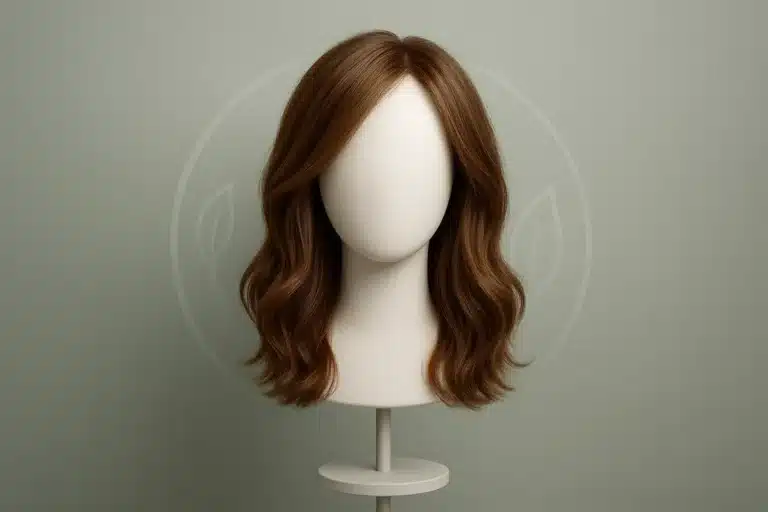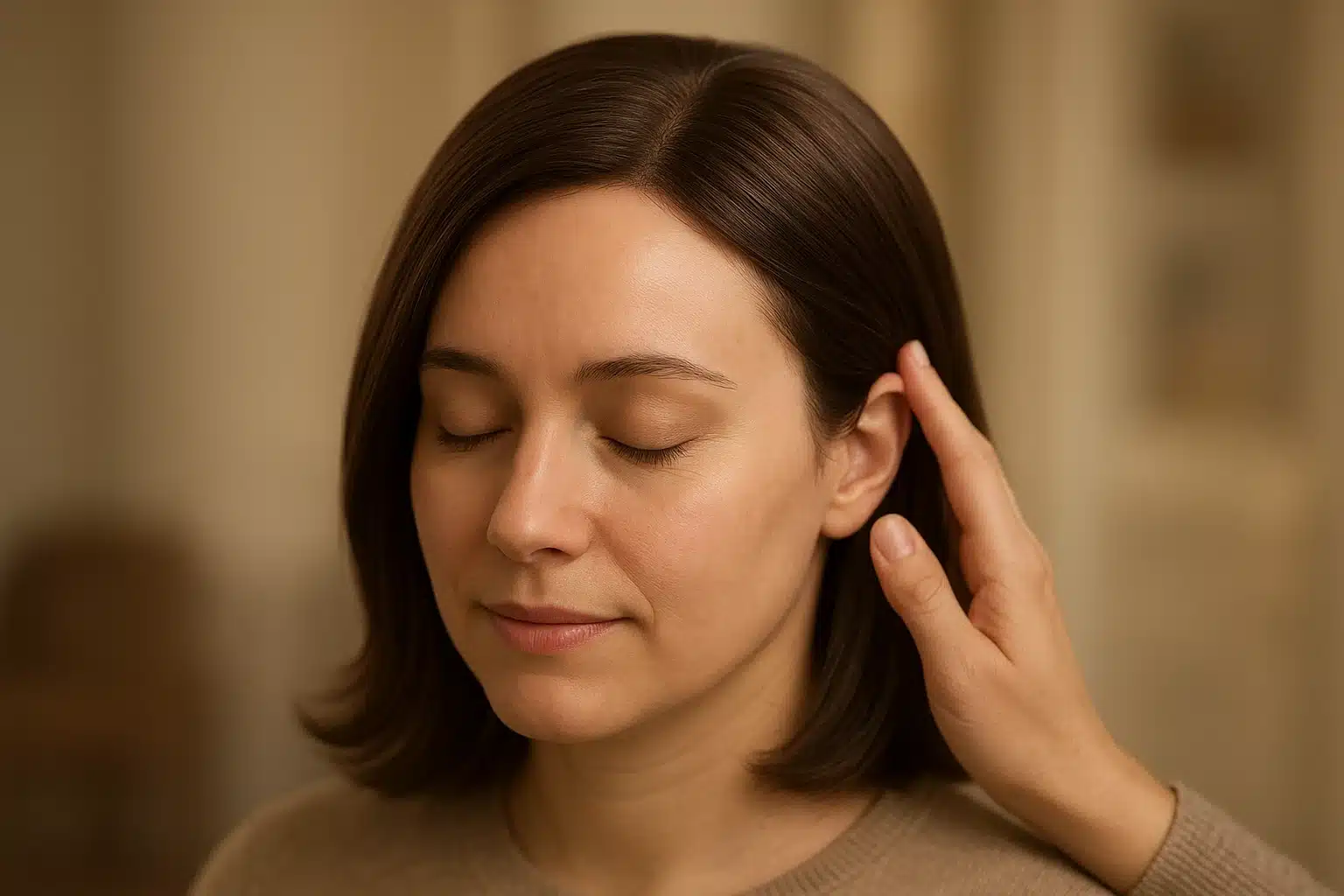
When you are facing medical hair loss—whether from chemotherapy, radiation, or alopecia areata—most people try to prepare for the visual transformation. But few warn you about the physical sensations that accompany it. About 10 to 14 days into medical treatments, your hair follicles can begin to feel hyper-tender, achy, or itchy. This is a real dermatological condition known as scalp allodynia, and it makes your scalp incredibly sensitive to friction, heat, and touch.
If you are beginning this journey and researching your options, walking into a standard beauty supply shop can be an overwhelming and frustrating experience. Standard fashion wigs prioritize style over comfort, featuring rough lace and heavy wefts that can severely aggravate a compromised skin barrier. For those seeking true comfort and irritation-free wear, exploring the best wig stores in Cleveland OH means looking specifically for specialized boutiques that understand medical-grade, hypoallergenic cap constructions.
Let’s break down the science of sensitive scalps, explore the architectural differences in medical wigs, and navigate the compassionate care options available right here in the Greater Cleveland area.
The Biology of a Sensitive Scalp: Why Normal Wigs Feel Uncomfortable
To understand why you need a specialized wig, it helps to understand what is happening beneath the skin. During medical hair loss, the support structure of your hair follicles diminishes. Coupled with skin dryness (xerosis) and potential radiation sensitivity, the epidermal lipid barrier—your scalp’s natural shield—becomes compromised.
When you place a traditional commercial wig on a highly sensitized bare scalp, several issues arise:
- Mechanical Friction: Standard machine-wefted caps have exposed seams and rough materials (like permatease) that rub against tender skin, causing severe mechanical trauma.
- Chemical Irritation: Common wig adhesives, latex glues, and tapes can trigger contact dermatitis on an immune-compromised system.
- Thermal Strain: Standard synthetic wigs can trap heat, causing sweat that stings a tender scalp and encourages bacterial growth (folliculitis).
When you are navigating medical hair loss, you don’t just need a wig. You need a cranial prosthesis—a thoughtfully engineered garment designed specifically for scalp health and recovery.
Under the Hood: Cap Architecture for Medical Hair Loss
Not all wig caps are created equal. When evaluating medical wigs, the inner construction is what separates a beautiful, wearable piece from an uncomfortable one. Here is the hierarchy of cap constructions you will encounter, translated from industry jargon into what it actually means for your skin.
Single vs. Double Monofilament
A monofilament cap features a sheer mesh top where hairs are individually tied, allowing you to part the hair naturally.
- Single Monofilament: While it provides natural movement, the tiny knots where the hair is tied remain exposed on the underside, which can feel scratchy on a bare scalp.
- Double Monofilament: The gold standard for sensitive scalps. This construction features a secondary, ultra-soft silk or polyurethane layer that buffers the hand-tied knots away from your skin, completely eliminating abrasion.
100% Hand-Tied Caps
Instead of rigid rows of hair sewn together by a machine, a 100% hand-tied cap involves tying individual hairs to a soft, 4-way stretch mesh. This allows the cap to mold perfectly to the contours of your head, moving gently like a soft skullcap rather than a stiff helmet.
Glueless Silicone Vacuum Grips
Because traditional wig glues and tapes can cause allergic reactions during chemo, top-tier medical wigs utilize strategically placed, medical-grade silicone perimeter strips. These gentle grips use the natural warmth of your body to create a gentle, non-slip vacuum effect, anchoring the wig securely without a drop of toxic adhesive.
Fabric and Fiber: Hypoallergenic Innovations
The materials sitting against your skin are just as important as the cap’s architecture. Modern cranial prostheses utilize hypoallergenic innovations to ensure maximum comfort.
- Bamboo-Viscose Liners: Many patients choose to wear a skullcap beneath their wig. Bamboo-rayon is a miracle fabric for oncology patients. It provides natural thermo-regulation, features antibacterial properties, and wicks away moisture to prevent sweat-induced stinging.
- The Weight Dilemma (Synthetic vs. Human Hair): It is a common misconception that human hair is always the best choice for medical hair loss. While human hair is beautiful, it is noticeably heavier than synthetic fiber. High-quality synthetic fibers weigh 30% to 50% less than human hair. For a fatigued, tender scalp, a lightweight synthetic cranial prosthesis places significantly less gravitational pull and thermal strain on the head, requiring much less physical energy to wash and style.
Navigating Cleveland’s Medical Wig Landscape
Northeast Ohio is uniquely equipped with incredible healthcare resources and compassionate local providers. When seeking a cranial prosthesis, you want an environment that offers privacy, empathy, and specialized clinical knowledge.
Hospital-Supported Patient Programs
Cleveland Clinic Taussig Cancer Center Wig Boutique (Main Campus, 9500 Euclid Ave)An authoritative, deeply trusted resource for oncology patients. The Taussig Cancer Center offers a dedicated wig boutique providing no-cost, donation-funded headwear and wigs. Appointments here include consultations with licensed cosmetologists who understand the specific hygienic and styling needs of cancer patients.
Dedicated Medical Boutiques & Private Cranial Prosthesis Salons
If you are exploring the retail space for customized, high-end medical options, Northeast Ohio is home to several specialized providers with private fitting rooms:
- Van Scoy Hair Clinics (Parma): With over 50 years of experience in medical hair prosthesis, they are renowned for their clinical methodology and private consultation suites, ensuring a discreet and comfortable environment.
- Ann’s Wig Shop (Pearl Rd): A longstanding pillar in the local community, known for providing compassionate, localized support for those experiencing medical hair loss.
- Complete Image Hair Design (Mayfield Heights): Focusing heavily on oncology styling, this private boutique offers highly personalized, sensitive fittings, ensuring every client feels heard, respected, and beautiful.
The Financial Blueprint: Navigating Insurance in Ohio
One of the most tightly guarded secrets of medical hair loss is that your private health insurance or Ohio Medicaid may cover the cost of your wig—but only if you use the exact right terminology.
- Never Use the Word “Wig”: Insurance companies classify a “wig” as a cosmetic accessory and will automatically reject the claim. The exact medical term you must use is Cranial Hair Prosthesis.
- Get the Right Prescription: Ask your oncologist or dermatologist to write a prescription specifically for a “Cranial Prosthesis for medical hair loss related to [Chemotherapy / Alopecia Areata].”
- Know the Magic Code: When submitting your itemized invoice and claim to your insurance provider, ensure that it includes the HCPCS code A9282 (the official healthcare code for a cranial prosthesis), along with your doctor’s NPI number and your specific ICD-10 diagnosis code.
Frequently Asked Questions (FAQ)
Why does my scalp hurt or itch before the hair even falls out?
As chemotherapy or radiation affects the rapidly dividing cells in your hair follicles, the physical structure supporting the hair weakens. This causes the nerves in the scalp to become inflamed and highly sensitive to the weight of the hair—a condition called scalp allodynia.
Will a wig irritate my bare scalp or cause contact dermatitis?
A standard commercial wig very well might. However, a properly fitted medical wig with a double monofilament top, a 100% hand-tied base, and a bamboo skullcap liner is specifically engineered to soothe and protect bare, compromised skin.
Can I use regular wig tape or glue during chemotherapy?
It is highly discouraged. Your immune system is compromised during treatment, making your skin much more susceptible to chemical contact dermatitis. Look for glueless caps with silicone grips, which provide total security without irritating adhesives.
How do I keep my scalp clean under a wig?
Maintaining a scalp-safe routine is crucial to prevent bacterial buildup. Use pH-neutral, sulfate-free scalp washes, and apply organic soothing balms at night. When sleeping, swap your wig for a seamless bamboo sleep cap to protect your scalp from the friction of your pillowcase.
Your hair loss journey is deeply personal, but you do not have to navigate it alone. By prioritizing cap construction, leaning on the expertise of Cleveland’s local medical wig providers, and advocating for your insurance benefits, you can find a solution that restores your confidence without ever compromising your comfort.