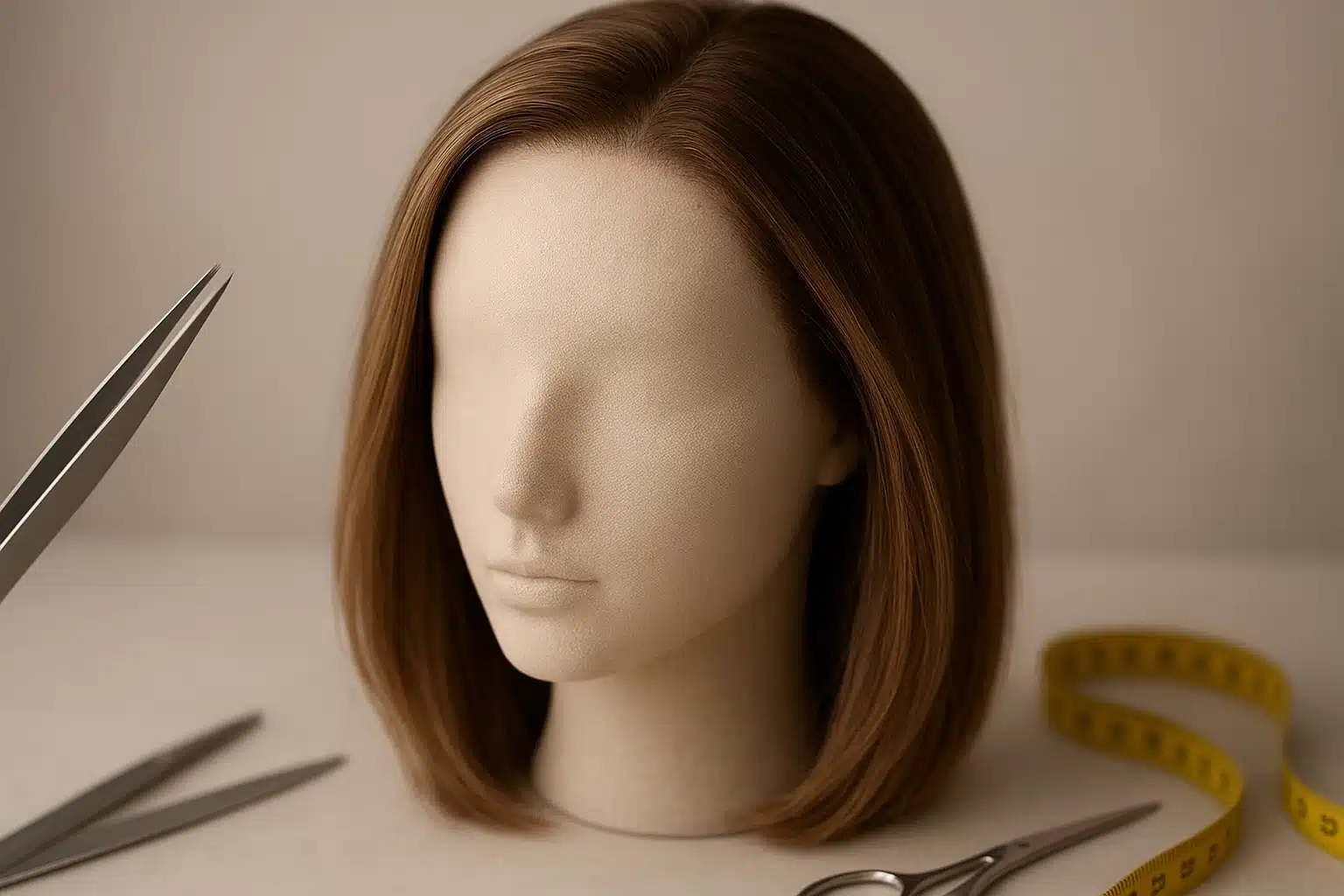
Imagine finally finding the perfect wig. You bring it home, carefully take it out of the box, place it on your head, and… it just doesn’t look quite right. Maybe the hairline looks a bit too perfect, the cap feels bulky around the ears, or it simply feels like you’re wearing a helmet. This is the “off-the-box dilemma,” and it’s a completely normal experience, whether your new hair cost $50 or $2,000.
While many people begin their hair journey by visiting wig shops in charlotte nc to browse inventory and find a beautiful foundational piece, the true magic of realism happens after the purchase. This is where advanced wig fitting and structural customization come in. Basic salon styling—like adding a few curls or trimming the bangs—won’t fix mechanical fit problems like cap bunching, ear-tab friction, or a dense, unnatural hairline.
Let’s demystify the fascinating world of structural wig customization and explore how specialized tailoring can transform any wig into a piece that looks and feels like it grew naturally from your own scalp.
The Anatomy of a Flawless Fit: Thinking Beyond Circumference
When you buy a wig, the sizing is usually based on one measurement: the circumference of your head. But human heads are complex, three-dimensional shapes.
Professional wig fitters use a sophisticated 6-point cranial measurement system to ensure a flawless fit. Beyond circumference, they measure:
- Front-to-Nape: Down the center of your head from the hairline to the base of the neck.
- Ear-to-Ear Across the Forehead: Tracking your front hairline.
- Ear-to-Ear Over the Top: Crucial for preventing the dreaded “cone-head” or bulky crown.
- Temple-to-Temple Around the Back: To ensure the cap hugs the curve of your skull.
- Nape Width: To prevent the back from riding up when you turn your head.
Decoding Your Wig Fit Symptoms
If your wig isn’t structurally tailored to these six measurements, your body will tell you.
- Ear-tab headaches mean the ear-to-ear measurement is too tight, pressing rigid materials into sensitive skin.
- Lace rippling or buckling at the forehead usually means the cap is too loose over the top.
- A sliding nape (where the back of the wig constantly rides up) typically indicates the front-to-nape measurement is too long.
The Fix: Simply tightening the adjustable straps on a baggy wig often creates uncomfortable bunching at the nape. Instead, advanced customization specialists physically reconstruct the cap. By sewing tiny geometric folds (called darts) vertically or horizontally into the cap’s foundation, they can reduce circumference and crown volume without damaging the hair wefts.
Engineering the Illusion: Hairline Refinement and Knot Bleaching
One of the most common questions beginners ask is, “Can a wig actually look natural?” The answer is a resounding yes, and it all comes down to the science of micro-irregularity.
Biological hairlines are never perfectly straight, nor are they incredibly dense right at the front. Factory wigs, however, often arrive with a solid “wall of hair” at the lace front.
The Art of Plucking
To engineer a natural illusion, specialists use a meticulous plucking technique. They carefully extract individual hairs from the lace, creating a natural density gradient. A customized hairline will typically have about 80% density at the very front edge, gradually increasing to 130% density as it moves back toward the crown. This mimics the way natural hair grows.
Hiding the Knots
Every hair on a lace wig is hand-tied, creating a tiny knot. On dark hair, these knots look like little black dots on the scalp.
- For Human Hair Wigs: Specialists use a chemical bleaching process to lighten these knots, making them invisible against the lace.
- For Synthetic Wigs: Because synthetic fibers cannot be bleached, professionals use specialized lace tints and cosmetic concealers to blend the knots perfectly with your unique skin undertone.
Density Calibration: De-Bulking Without Visible Stubble
Have you ever put on a wig and felt like you were drowning in hair? There’s a reason for this: most factory wigs are manufactured with 150% to 180% hair density. They are intentionally designed with extra bulk so that they can be tailored down to suit the wearer.
However, reducing density is where many at-home DIY attempts go wrong.
The Stubble-Free Thinning Technique
If you take regular thinning shears and chop away near the root of the wig cap, you will be left with short, rigid stubble that sticks straight up through the longer hairs.
Professional wig tailors use a graduated thinning method (root-to-tip preservation). Instead of cutting near the delicate cap knots, they place their texturizing shears 2 to 3 inches down the hair shaft, targeting only the deep interior layers (wefts) of the wig. They always leave the top “guard hairs” and perimeter layers entirely intact. The result is a wig that flows beautifully and sits flat against the head, with zero spiky stubble.
For Synthetic Wigs: Density calibration is also the secret to making synthetic fibers look real. By thinning out bulky temporal areas (around the sides of the face) and using dry shampoos or specialized powders to diffuse the factory shine, a high-quality synthetic wig can become completely indistinguishable from human hair.
Mechanical Security: Glueless Stability That Protects the Scalp
If you are dealing with medical alopecia, chemotherapy regrowth, or thinning biological hair, the last thing you want to do is use messy, harsh liquid adhesives to keep your wig in place.
Advanced customization focuses heavily on glueless mechanical stability, matching the attachment hardware to your specific scalp condition:
- Medical-Grade Silicone Strips: Perfect for total hair loss. These strips grip the bare scalp using gentle friction, reacting to your body heat to keep the wig completely stationary without pulling on sensitive skin.
- Velvet Wig Grips: Ideal for those who fluctuate between hair loss and regrowth. A velvet band creates multi-directional friction that anchors the wig securely.
- Custom Comb and Clip Placement: For those with sturdy bio-hair, specialists can hand-sew small metal snap clips into strategic, weight-bearing areas of the cap, ensuring the wig stays secure without causing traction alopecia.
The Charlotte Regional Customization Guide
If you’re in the Queen City area and ready to take your wig from “off-the-shelf” to a personalized masterpiece, Charlotte boasts a wealth of highly specialized studios. Knowing exactly where to go based on your needs is crucial:
- OA Salons (SouthPark): A leader in clinical, empathy-focused medical hair restoration. They specialize in digital scalp assessments, medical-grade cranial prosthetics, and custom density/hairline work, all conducted in deeply private consultation suites.
- Lux Glamorous Wigs & Co (Matthews/Charlotte): An excellent resource for medical units and custom cap construction. They are also highly experienced in guiding patients through the often-confusing process of health insurance claims for cranial prosthetics.
- Roland’s Wig Salon (Matthews): A legacy institution known for private, compassionate consultations. They are masters of structural cap tailoring and classic alterations.
- Natural Look Salon & Wigs: Exceptional specialists focusing on oncology and alopecia customization. They are experts at handling intricate human hair modifications in a supportive environment.
Pro-Tip for your consultation: When you visit a local Charlotte specialist, wear your wig exactly how you intend to wear it daily (including your preferred wig cap). If you wear glasses, bring them! A great fitter will tailor the ear-tabs specifically to accommodate your frames.
Care, Longevity, and At-Home Upkeep After Customization
Once your wig has been structurally customized, it requires a slightly gentler touch to maintain its lifespan.
Because the specialist has carefully plucked the hairline and possibly sewn structural darts into the cap, you must be mindful of tension. When washing a customized wig, never scrub the lace front or aggressively massage the cap, as this can cause the delicate, single-tied knots to unravel or loosen the custom seams. Instead, gently submerge the unit in cool water mixed with specialized wig shampoo, allowing the water to flow in one direction from root to tip.
Frequently Asked Questions (FAQ)
What is custom wig fitting versus basic salon styling?
Basic salon styling involves surface changes to the hair itself—like curling, flat-ironing, or trimming split ends. Custom wig fitting is a structural modification. It involves taking precise cranial measurements, resizing the physical foundation of the cap, plucking the hairline for realism, and structurally thinning the hair’s density from the inside out.
Can you make a synthetic wig look natural, or do you have to buy expensive human hair?
Absolutely! While human hair offers premium versatility, high-quality synthetic wigs can look incredibly natural with the right customization. By structurally thinning the cap to remove bulky “helmet” volume, diffusing the factory shine with specialized powders, and plucking the temporal zones, an affordable synthetic piece can easily pass for biological hair.
How do specialists resize a wig cap that is baggy around the crown?
Instead of just pulling the elastic adjuster straps (which causes the nape to bunch up uncomfortably), a specialist will turn the wig inside out and sew small, precise folds—called darts—into the machine-wefted tracks. This literally reduces the circumference of the fabric cap, pulling the crown flat against the skull without damaging the hair attached to it.
How do I make a wig secure without using messy, damaging glues?
You don’t need glue to feel secure! Depending on your scalp condition, specialists can customize your cap with medical-grade silicone strips that grip bare skin, soft velvet tension bands, or precisely placed snap-clips that safely anchor to existing biological hair without causing damage.
Taking the Next Step
Understanding the mechanics of wig customization is an incredibly empowering step in your hair loss or hair enhancement journey. You no longer have to settle for a piece that feels heavy, uncomfortable, or noticeably artificial.
By starting with a high-quality foundation piece and utilizing the advanced tailoring concepts outlined above, you have the power to create a look that is entirely, authentically you.