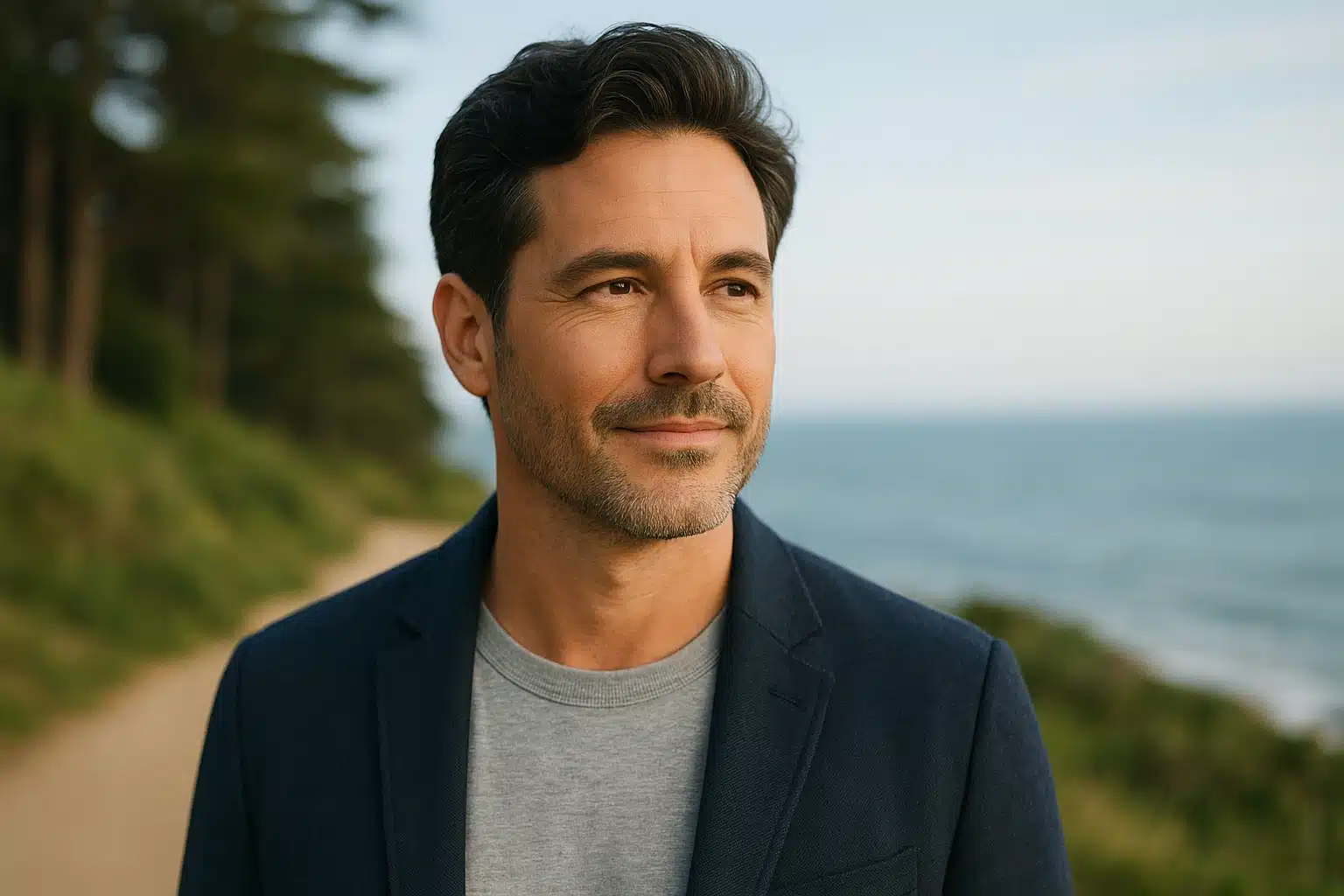
The Santa Cruz lifestyle is defined by freedom—catching an early morning wave at Steamer Lane, hiking the shaded trails of the redwoods, or simply enjoying the coastal breeze along West Cliff Drive. But for men experiencing hair thinning or male pattern baldness, that sense of freedom can quietly slip away. Whether you’re worried about the wind exposing a receding hairline or feeling self-conscious at a social gathering, hair loss introduces an unwanted layer of daily anxiety.
If you are beginning to explore your restoration options, you aren’t alone, and you don’t have to navigate this journey blindly. Figuring out where to start locally is often the biggest hurdle. For those looking to evaluate top brick-and-mortar and hybrid options in the area, learning how to select the best wig stores in Santa Cruz, CA for a comprehensive buyer’s guide is a critical first step. This guide will bridge the gap between what you think you know about hair pieces and the incredible realities of modern non-surgical hair replacement.
Moving Past Outdated Stereotypes: Wigs vs. Modern Hair Systems
Let’s clear the air immediately: the word “toupee” often brings up images of awkward, easily detectable rugs that sit unnaturally on the head. Today, the industry has evolved leaps and bounds beyond those outdated legacy pieces.
When men begin their search, they often run into a confusing mix of products. It’s important to understand the difference between daily wear solutions and costume pieces. You aren’t looking to buy cosplay wigs or 1700s wigs men wear for historical reenactments. You are looking for Non-Surgical Hair Replacement (NSHR)—often simply called a “hair system.”
Modern hair systems are meticulously crafted medical-grade prostheses designed to blend seamlessly with your biological hair. They mimic natural hair growth patterns, expose a realistic scalp, and are built to withstand daily life—yes, even swimming, sweating, and surfing.
The “Base Material Trinity”: Choosing Your Foundation
The most critical decision you’ll make when selecting a hair system is choosing the “base”—the material that makes contact with your scalp. Here is how the three main options stack up for the active California lifestyle:
French and Swiss Lace: The Active Beachgoer’s Choice
If you run, cycle, or spend your weekends in the ocean, lace is likely your best friend. Lace bases offer maximum breathability, allowing sweat and heat to escape easily. They also provide an incredibly invisible hairline. The trade-off? They require a bit more care during cleaning and typically have a lifespan of 2 to 4 months before needing replacement.
Ultra-Thin Poly Skin (0.03mm–0.08mm): The Hyper-Realistic Look
Polyurethane (poly) bases, often referred to as “thin skin,” offer a hyper-realistic appearance. Because the hair is injected directly into the transparent material, it looks exactly like hair growing out of your own scalp. While slightly less breathable than lace, they are incredibly easy to clean and re-bond. Ultra-thin versions usually last 4 to 8 weeks, making them a beautiful, albeit slightly more frequent, investment.
Monofilament (Mono): The Durable Classic
Monofilament bases feature a tightly woven, durable mesh, often reinforced with a poly border for easy taping. Mono is the champion of longevity and can handle high hair density. This makes it an excellent choice for men who want a low-maintenance routine. A well-cared-for mono system can last anywhere from 6 to 12 months.
Human Hair vs. Synthetic: Demystifying Fibers and Blends
When looking for an undetectable daily solution, 100% Remy human hair is the gold standard. Human hair can be cut, styled, and colored to perfectly match your natural biological hair growing on the sides and back of your head. Synthetic fibers, while holding their style beautifully, are generally better suited for theatrical use, women’s fashion wigs, or temporary costume solutions.
However, modern hair replacement is incredibly nuanced. If you have unique color profiles or specific thinning patterns, there are specialized options available:
- Targeted Enhancements: For localized crown thinning, you might explore options like golden blended human hair clip on hairpieces, which add volume exactly where you need it without requiring a full system.
- Embracing the Grey: For distinguished older gentlemen, finding the perfect salt-and-pepper ratio is crucial. Opting for specialized blends, like foxy silver wigs and hairpieces, ensures your system looks age-appropriate and remarkably natural.
- Special Occasions: If you’re attending a major formal event, there are specialized temporary enhancements, ranging from warm gold hairpieces that highlight your natural skin undertones to intricate wedding hairpieces for long hair styling.
The Coastal Climate Factor: Surviving Santa Cruz Marine Weather
Living on the Central Coast means dealing with a unique microclimate. The combination of morning marine fog, ocean breezes, high humidity, and saltwater can wreak havoc on certain hair system adhesives.
When choosing how to attach your system, you have three main choices:
- Tape: Easy to apply and clean up, tape is highly popular. However, in heavy ocean moisture, some tapes can lose their tackiness faster.
- Liquid Adhesives (Acrylic or Silicone): These provide a watertight, full-head bond. Silicone adhesives tend to hold up incredibly well against Santa Cruz beach saltwater, mist, and UV rays.
- Hybrid Bonding: Many men choose a combination—using liquid adhesive at the front hairline for an invisible look, and heavy-duty tape around the perimeter for strong, reliable hold during a surf session.
Pro Tip for Coastal Dwellers: Always thoroughly rinse your hair system with fresh water after exposing it to ocean saltwater, and use leave-in conditioners with UV protection to prevent the California sun from oxidizing the hair color.
The Secret to Invisibility: The Professional “Cut-In”
Here is the industry’s best-kept secret: Buying a high-quality hair system is only 50% of the equation. The other 50% is the “Cut-In.”
A hair system arrives looking like a thick bowl cut. It must be professionally trimmed, thinned, and textured to blend flawlessly into your growing biological hair.
While you can browse options in local Santa Cruz County areas like the Westside or Corralitos, many men find that traveling slightly over the hill to South Bay specialist hubs (like San Jose or Campbell) is worth the drive to find stylists exclusively trained in men’s non-surgical hair replacement.
Before letting a stylist cut your new system, ask them:
- Do you have experience cutting in men’s hair systems specifically?
- Will you graduate the hairline to make it look naturally thin at the front?
- Can you match the density of the system to my existing side hair?
Breaking Down the Real Costs
A major pain point for men researching hair systems is the lack of price transparency. You generally have two paths: DIY Maintenance or Salon Contracts.
The Annual Clinical Contract: Many high-end regional salons offer full-service packages. For roughly $3,000 to $4,500 a year, they provide the hair systems, do all the monthly cleaning and re-bonding, and handle haircuts. It is frictionless and private, but expensive.
The Independent/DIY Approach: If you choose to manage your own maintenance, the costs drop significantly.
- Unit Cost: $250–$800 per hair system.
- Professional Cut-In: $150–$300 (a one-time fee per new system).
- Monthly Supplies (Tape, solvent, adhesive): Around $30–$50. For a wearer replacing their system 3 to 4 times a year, the DIY route typically costs between $1,200 and $2,000 annually.
Frequently Asked Questions (FAQ)
Will people be able to tell I’m wearing fake hair?
Not if you choose the right base (like lace or ultra-thin skin), use 100% human hair, and have it professionally cut-in to match your biological hair density. Modern systems are designed to be undetectable, even from inches away.
Is a men’s hair system temporary or permanent?
It is semi-permanent. Depending on your adhesive and skin type, a system stays securely bonded to your head for anywhere from 2 to 4 weeks at a time. You sleep, shower, and exercise in it. After a few weeks, you remove it, clean your scalp, and reattach it.
Can I surf and swim in the ocean with a hair system?
Absolutely. By using waterproof acrylic or silicone liquid bonds, your system will stay secure. Just be sure to rinse out the harsh saltwater immediately afterward to protect the hair fibers.
Your Next Steps
Deciding to address your hair loss is a highly personal, deeply transformative step. It’s normal to feel a mix of excitement and hesitation. Your best course of action is to start small: familiarize yourself with the materials, decide whether you want the convenience of a full-service salon or the flexibility of managing it yourself, and most importantly, consult with a compassionate professional who understands the emotional weight of hair loss.
Education is your best tool against anxiety. Take your time, do your research, and look forward to the day when you can hit the Santa Cruz boardwalk with total confidence, feeling like yourself again.