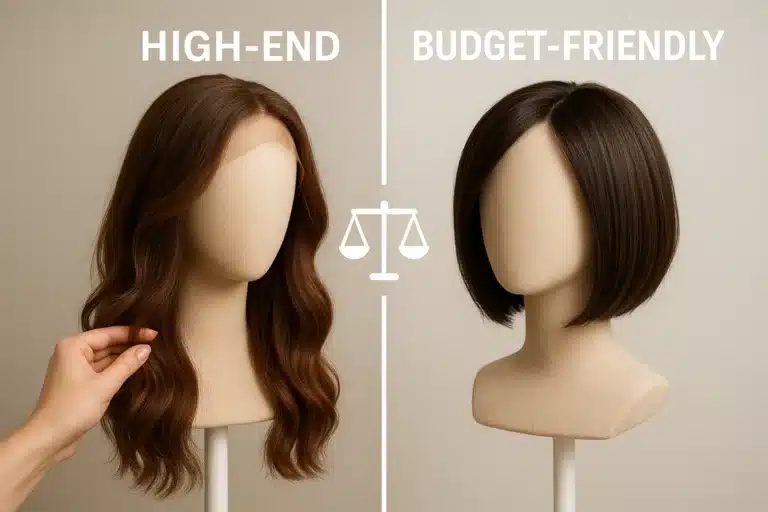
Stepping into the world of alternative hair can feel overwhelming. For many, the first experience isn’t about fashion or changing a look for a night out—it’s about reclaiming identity during a vulnerable time. Whether you are navigating chemotherapy, alopecia, or natural thinning, the environment in which you choose your hairpiece matters just as much as the hair itself. You aren’t just shopping for an accessory; you are looking for a partner in your journey toward confidence.
The bustling energy of New York City offers endless options, but quantity doesn’t always equal quality, especially when discretion is a priority. Finding your perfect match requires more than just browsing shelves; it requires an Insider’s Guide to the Best Wig Stores in NYC that prioritizes privacy, empathy, and technical expertise. Before you book an appointment, it is crucial to understand the landscape so you can advocate for the experience you deserve.
The Tale of Two Salons: Fashion vs. Medical Expertise
When you begin your search, you will quickly notice the market is divided into two distinct worlds. On one side, you have high-volume beauty supply stores. These are excellent for quick fashion changes, but they often lack the privacy and specialized knowledge required for medical hair loss. On the other side are the “medical-grade” boutiques—quiet, appointment-only establishments that function more like a spa or a clinic than a retail store.
For someone experiencing hair loss, the distinction is vital. A fashion wig is designed for occasional wear over existing hair. A medical wig—often referred to in the industry as a Cranial Prosthesis—is engineered for sensitive scalps, long-term wear, and extreme realism.
Why Privacy is a Non-Negotiable
If you are new to wigs, you might underestimate the emotional weight of the “fitting.” In a standard retail environment, mirrors are everywhere, and other customers are browsing nearby. However, a dedicated medical hair loss specialist understands that you may need to remove your current hair covering or discuss medical history.
When searching for the best wig store in manhattan, look for salons that explicitly advertise “private fitting rooms” or “VIP suites.” This isn’t just about luxury; it’s about creating a safe container where you can ask questions without feeling exposed.
The Anatomy of an Empathetic Consultation
A truly supportive consultation should never feel like a sales pitch. It should feel like an education. If you walk into a salon and the stylist immediately starts handing you boxes without looking at your scalp, that is a red flag.
Here is what a professional, empathetic consultation process looks like:
- The Discovery Phase: Before touching any hair, the stylist should sit with you to discuss your lifestyle. Do you exercise? Do you wear glasses? How much time do you want to spend styling in the morning?
- The Measurement: One size does not fit all. A pro will take three to six measurements of your head circumference and depth to ensure the cap fits securely without causing tension headaches.
- The Education: They will explain the “why” behind the price. They should show you the difference between a Monofilament Top (which mimics natural hair growth) and a standard cap, helping you decide where to invest your budget.
The “Four-Finger Rule”
A great stylist will teach you how to put the wig on correctly so it looks natural. A common mistake beginners make is pulling the wig too far down on the forehead. The industry gold standard is the Four-Finger Rule: Place four fingers flat against your forehead, starting from your eyebrows up. Your wig’s hairline should sit right where your top finger ends. This ensures realistic proportions and prevents the “wiggy” look many beginners fear.
Insurance and Investment: The “Cranial Prosthesis” Factor
One of the biggest “aha moments” for new wig wearers is realizing that their insurance might cover a portion of the cost. However, insurance companies rarely cover “wigs” because they categorize them as cosmetic items.
To unlock coverage, you need to speak the language of the medical industry. You aren’t buying a wig; you are prescribed a Cranial Prosthesis.
- Ask your doctor for a prescription specifically using the term “Cranial Prosthesis” (DX Code: A9282).
- Ask the salon if they can provide an invoice using this specific terminology.
Many high-end NYC salons specialize in this paperwork and can guide you through the reimbursement process, turning a significant financial burden into a manageable medical expense.
Protecting Your Natural Hair
A common fear among new wearers is, “Will wearing a wig damage the biological hair I have left?” This is a valid concern, often stemming from horror stories about traction alopecia caused by improper glues or tight braids.
Education is the antidote to this fear. High-quality wigs, particularly those with hand-tied caps, are designed to be lightweight and breathable. During your consultation, ask about velvet-lined ear tabs and silicone grippers. These features allow the wig to stay secure without the need for adhesives or combs that can pull on fragile biological hair.
Once you have found your piece, proper care is essential for protecting your investment. Understanding proper wig maintenance—from washing techniques to humidity protection—ensures your piece remains beautiful and your scalp stays healthy.
Frequently Asked Questions
Do lace front wigs cause hair loss?
Not if they are applied and removed correctly. Traction alopecia occurs when there is constant tension on the hairline or when harsh glues are ripped off. A professional consultation will teach you how to use water-soluble adhesives or glueless options that protect your edges.
Will people know I’m wearing a wig?
Modern wig technology has advanced drastically. Features like “lace fronts” create an invisible hairline that blends with your skin, and “monofilament tops” allow the hair to part in any direction, showing a realistic scalp tone. When fitted correctly, even close friends often can’t tell.
What is the difference between Virgin and Remy hair?
Remy hair is human hair where the cuticles are kept intact and aligned in one direction, preventing tangling. Virgin hair is Remy hair that has never been chemically processed (dyed or permed). Virgin hair is the most expensive and durable, but high-quality Remy hair is often the perfect balance of realism and value for most wearers.
How do I prepare for my first appointment?
Bring photos of your hair on a “good hair day” from the past. This helps the stylist understand your identity and style preference. Also, wear a shirt with a comfortable neckline so you can see how the hair falls on your shoulders without a collar getting in the way.
Taking the Next Step
Finding the right wig is a journey, not a sprint. It’s okay to visit a few salons, ask hard questions, and take your time deciding. Remember, the best salon for you is the one that makes you feel heard, respected, and educated.
As you explore your options, prioritize places that offer that crucial mix of privacy and expertise. You are taking control of your image and your confidence—and that is something worth celebrating. For those who prefer to start their research from the comfort of home, browsing high-quality collections online can be a low-pressure way to familiarize yourself with styles and terminology before stepping into a fitting room.