Hair loss is a deeply personal journey. For many, the simple thought of walking into a brightly lit, crowded retail store to try on wigs can feel incredibly daunting. If you are experiencing hair loss from medical treatments, alopecia, or natural thinning, you aren’t just looking for a new hairstyle—you are seeking a restored sense of self, dignity, and physical comfort. That is why the shift toward private, compassionate wig consultations is completely changing the landscape for individuals across the Gulf Coast.
The first step is often the hardest, but knowing where to start can relieve an immense amount of anxiety. As you begin researching safe, private environments, having access to resources like the complete guide to finding the best wig stores in Tampa, FL can serve as your essential roadmap. It empowers you to bypass standard retail counters and find those dedicated boutiques that prioritize discretion, fully understanding exactly what you are going through.
More Than a Fitting: The Power of a “Safe Haven”
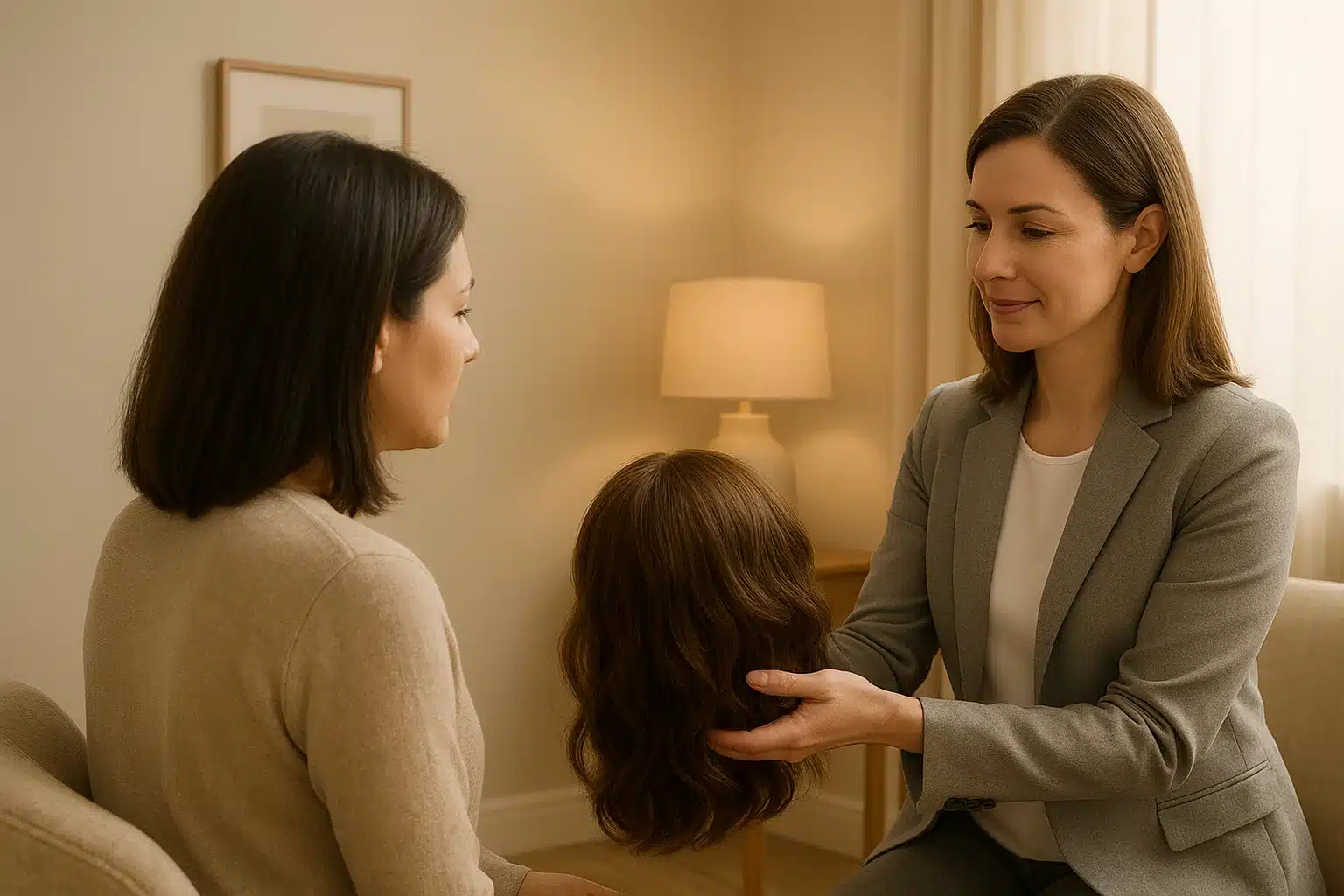
When you are exploring hair replacement options, you don’t need a salesperson; you need a guide. The highest-quality wig shops in Tampa approach their services through a “Safe Space” methodology. This means they pivot completely from “selling hair” to providing a sanctuary.
For many first-time shoppers, the first fifteen minutes of an appointment are the most nerve-wracking. Will I have privacy? What if I cry? A reputable consultant expects and welcomes these emotions. In a truly private setting, the anxiety of the unknown melts away, allowing you to focus entirely on finding a solution that makes you feel like yourself again.
What Actually Happens Behind Closed Doors?
If you’ve never booked a private wig consultation, the process might seem entirely mysterious. Here is a five-step anatomy of what you can expect when you step into a VIP fitting suite:
- The Privacy Protocol: Your appointment takes place in a closed-door, often sound-dampened room. These suites are typically designed with soft lighting, gender-neutral accessibility, and comfortable seating for a supportive friend or family member.
- Precise Measurement: A beautifully fitting wig starts with accurate measurements. Your consultant will gently measure the circumference of your head, as well as front-to-back and ear-to-ear dimensions.
- The Tactile Trial: This is where you get to feel the materials. If you have “chemo-skin” or a highly sensitive scalp from alopecia, feeling the difference between a rougher machine-made base and a buttery-soft lace front or monofilament top is a revelation.
- Customization: A high-quality wig is rarely ready straight out of the box. Your piece may be trimmed, thinned, or styled to frame your unique face shape.
- Maintenance Education: You will learn exactly how to wash, store, and care for your new hair, ensuring your investment lasts.
Terminology as Empowerment: Demystifying the “Medical Wig”
One of the most empowering things you can do on your hair loss journey is learn the language of the industry. This knowledge acts as a bridge between the medical necessity of your situation and the boutique luxury of your shopping experience.
The Cranial Prosthesis Distinction
While the general public uses the word “wig,” medical professionals and insurance companies use the term Cranial Prosthesis (or hair prosthesis). A cranial prosthesis is specifically crafted for individuals suffering from clinical hair loss. Unlike “fashion wigs” built for occasional wear over existing hair, a prosthesis is engineered for a bare, highly sensitive scalp.
Navigating Insurance in Florida
Using the correct terminology isn’t just about semantics—it’s about financial reimbursement. When discussing your hair loss with your oncologist or dermatologist, ask them to write a prescription for a “Cranial Prosthesis.”
When you file a claim with your Florida insurance provider, you will generally use the HCPCS code L8010. While coverage varies by provider and plan, applying with the correct medical terminology and codes significantly increases your chances of partial or full reimbursement.
The “Tampa Factor”: Navigating Cap Construction and Coastal Humidity
Living in the Tampa Bay area brings a unique set of environmental challenges. Between the salt air of the Gulf Coast and the infamous 90% summer humidity, finding a hair system that looks natural and feels cool is essential.
Material Matters for Sensitive Scalps
If you are undergoing chemotherapy, your scalp can become incredibly sensitive to heat and friction. In these cases, understanding cap construction is crucial:
- Machine-Made Caps: These feature “wefts” of hair sewn together. While they offer good ventilation, the structural seams can sometimes irritate sensitive skin.
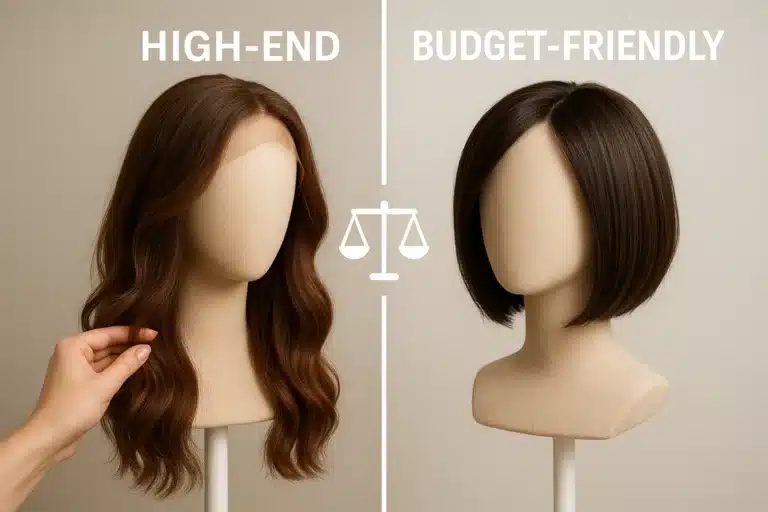
- 100% Hand-Tied Caps: This is the gold standard for medical hair loss. Every single strand of hair is manually tied into a soft, stretchy mesh cap. It moves like natural hair and provides the softest, most frictionless experience against a bare scalp.
Heat-Friendly Synthetic vs. Human Hair in Florida
- Human Hair: Offers the most natural look and supreme versatility. However, just like your biological hair, human hair wigs will react to Tampa’s humidity. They can frizz and require regular styling.
- Heat-Friendly Synthetic: These fibers hold their “style memory.” If you step out into the humid St. Pete afternoon, a synthetic wig won’t fall flat or frizz out. It retains its baked-in style, making it a fantastic low-maintenance option for the Florida climate.
Your Discretion & Dignity Checklist
Before you commit to an appointment, it’s vital to ensure the establishment aligns with your need for privacy. Here are five questions to ask when calling local wig stores:
- Do you have a dedicated, fully enclosed private room for fittings? (Beware of shops that only use room dividers or curtains).
- Are your consultants experienced with medical hair loss and scalp sensitivities?
- Do you carry 100% hand-tied caps and monofilament tops?
- Can you provide an itemized receipt using the term “Cranial Prosthesis” for my insurance?
- Is your facility fully wheelchair accessible?
Frequently Asked Questions (FAQ)
What should I bring to my first private consultation?
Bring a photo of your natural hair before your hair loss began, if you have one. It’s also helpful to bring a close friend or family member for emotional support, and your doctor’s prescription if you plan to submit to insurance.
How long does a consultation usually take?
Most private consultations last between 45 minutes to an hour and a half. This allows ample time for measurements, trying on multiple styles without rushing, and discussing care instructions.
Will I have to shave my head before the fitting?
Absolutely not. Compassionate consultants will meet you exactly where you are in your journey. Whether you are proactively shopping before treatment begins or are already experiencing profound thinning, they will accommodate your current situation with absolute dignity.
Taking the Next Step with Confidence
Experiencing hair loss can feel isolating, but you don’t have to navigate the recovery process alone. By prioritizing boutiques that offer private, empathetic consultations, you are taking a powerful step toward reclaiming your confidence.
Remember, the goal of a great consultation is never just to make a transaction; it is to provide you with a safe haven, exceptional education, and a beautiful solution tailored to your exact needs. When you feel ready, take that first step. Empower yourself with knowledge, ask the right questions, and look forward to the moment you look in the mirror and recognize yourself again.