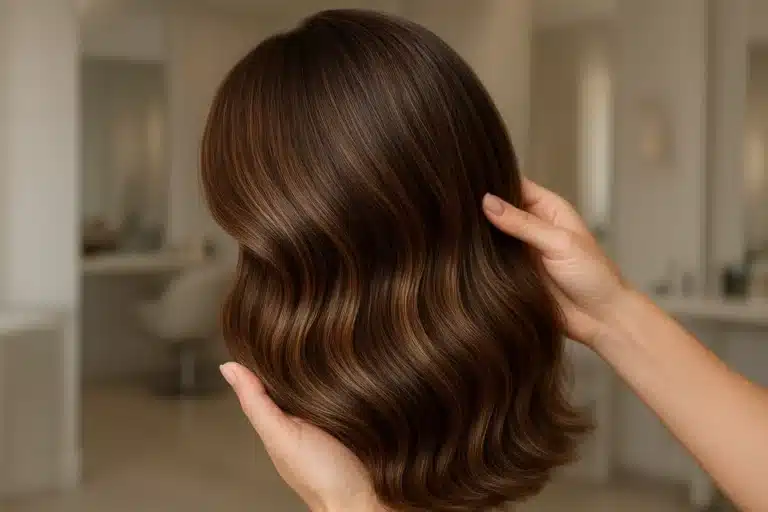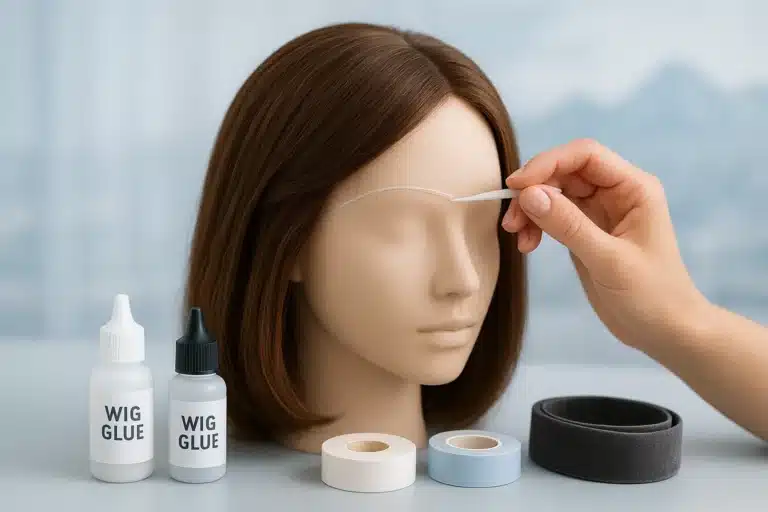
We’ve all experienced the anxiety of the “uncanny valley” wig look—that moment when a beautiful unit is betrayed by a thick, plastic-looking hairline or a texture that completely clashes with your natural roots. For women seeking highly realistic protective styles for textured hair, the journey often starts with a frustrating game of online guesswork. You find a gorgeous picture, cross your fingers, and wait for the mail, only to realize the lace is too thick, the cap doesn’t fit, or the texture looks nothing like your natural coils.
Fortunately, the wig-buying landscape in Northern California is shifting back to where it belongs: in person. If you’re tired of relying on filtered photos and hoping for the best, exploring the best wig stores in Sacramento CA is a foundational starting point. By stepping into a local boutique, you reclaim the ability to touch the hair, verify the lace grade, and receive professional customization that protects your natural crown. This guide will demystify the science behind realistic hairlines and map out the top Sacramento boutiques specializing in diverse ethnic hair textures.
The Technical Mechanics of the “Scalp Illusion”
Creating a flawless, undetectable hairline isn’t magic; it is a delicate balance of science and artistry. When a wig comes straight from a factory, it typically features dense, uniform hair hand-tied into a noticeable grid. Transforming that into a “melted” scalp illusion requires three critical elements.
The Lace Breakdown: HD vs. Swiss
Not all lace is created equal. The foundation of your wig determines how seamlessly it will blend into your skin.
- HD (High Definition) Lace: Measuring an incredibly thin 0.15mm, HD lace is the gold standard for that photo-ready, invisible transition. It literally melts into the skin when properly tinted.
- Swiss Lace: Slightly thicker at 0.25mm, Swiss lace is the dependable workhorse. While it requires a bit more customization to melt perfectly, it offers superior durability for everyday wear.
Understanding this difference is vital when shopping for lace front wigs. If you want longevity, Swiss is your friend; if you need ultimate invisibility for a special event, HD is the answer.
The Chemistry of Bleached Knots
If you look closely at an uncustomized wig, you’ll see tiny dark dots at the roots. These are the knots where the hair is tied to the lace. Bleaching is a chemical process that converts the dark melanin pigments in these knots to a light, translucent shade. This simple customization immediately erases the “dotted grid” look, making it appear as though the hair is growing directly out of your scalp.
Density Science
A natural human hairline is rarely perfectly thick all the way to the edge. Real hairlines feature a delicate, gradated transition. High-quality custom units mimic this by starting at about 100% density at the very front (the “baby hair” zone) and gradually transitioning to 130% or 150% density just behind the hairline.
Matching Your Crown: The Textured Hair Index
Finding the perfect lace is only half the battle; matching the hair fiber to your natural texture is what makes a wig truly yours. Just as you might choose boho fulani braids to celebrate natural patterns, selecting the right wig texture ensures your protective style looks authentic.
- Yaki Straight: This texture features a subtle, micro-crimp designed to perfectly mimic relaxed African American hair. It has a beautiful, natural flow without being artificially silky.
- Kinky Straight: If you love the look of a fresh silk press or blown-out natural 4C hair, Kinky Straight provides gorgeous, thick volume that mirrors your natural tresses.
- Kinky & Afro Curly: Designed for those who want to seamlessly blend their own natural edges or simply enjoy the bouncy, juicy volume of 3C to 4C curl patterns.
Sacramento’s Top Natural Hairline Boutiques
Knowing the terminology is empowering, but knowing where to find these customized features locally changes everything. Here is an expert roadmap to Sacramento’s premier destinations for textured wigs:
Margaret’s Hair Gallery & Salon (Arden Way)
A luxury destination for custom wig fabrication, Margaret’s excels in complex hair weaves and professional, scalp-protecting installations specifically tailored for African American textured hair. They understand the nuances of density transitions and knot bleaching.
King’s Wigs & Beauty Supply (Mack Rd)
Established in 1974, this legacy retail champion in South Sacramento boasts an absolutely massive inventory. It is a treasure trove for anyone looking to physically compare diverse ethnic hair textures, offering a vast array of synthetic and human hair options under one roof.
The Wig Shoppe (Cottage Way)
For those experiencing medical hair loss or requiring intricate cap modifications, The Wig Shoppe offers an incredibly personalized experience. Their expertise in medical-grade lace customization ensures a secure, comfortable fit that prioritizes scalp health.
Tresses by Juless (Folsom / East Sac Area)
A premier boutique experience that specializes in high-end human hair pieces. If you are looking for top-tier lace matching, professional tinting, and undetectable lace melting, this salon provides exquisite custom styling.
The Edge Preservation Protocol
Wearing a lace front shouldn’t come at the cost of your natural hairline. Protecting your edges requires a deliberate strategy.
First, avoid high-alcohol content adhesives that dry out and snap delicate baby hairs. Instead, opt for copolymer formulas or, better yet, explore the growing world of glueless lace wigs. These units utilize adjustable bands and specialized silicone grips to keep the wig securely in place without a single drop of adhesive.
If you do use adhesives, your removal process must be gentle. Never pull or peel the lace dry. Use a proper solvent-based adhesive remover, let it sit until the lace lifts naturally, and follow up with a nourishing oil treatment. Consistent, gentle wig maintenance and proper scalp prep are what ultimately keep your natural hair thriving underneath.
Frequently Asked Questions (FAQ)
What is the “four-finger rule” for wig placement?
To ensure your wig looks natural, place your index finger lightly on your brow bone. Your wig’s hairline should generally begin about four finger-widths above your eyebrows. Placing it too far down on the forehead is the most common beginner mistake and instantly gives away the “wiggy” look.
Will wearing lace front wigs damage my natural edges?
Lace fronts themselves do not damage edges—improper installation and removal do. Friction from a poorly fitted cap, using harsh glues, or ripping off the lace without proper solvent are the main culprits. Wearing a silk or satin wig cap underneath and utilizing glueless installation methods are highly effective ways to protect your hairline.
Can I bleach the knots on my wig at home?
While there are countless DIY tutorials online, bleaching knots at home carries significant risk. If the bleach mixture is too runny, it can seep through the lace and dye the roots of the hair, or worse, weaken the hand-tied knots causing massive shedding and bald spots on the wig. For your first high-quality piece, we highly recommend utilizing a local professional.
Next Steps on Your Wig Journey
Stepping into the world of natural hairline wigs doesn’t have to feel overwhelming. By understanding the science of HD lace, the importance of bleached knots, and how to identify your perfect texture match, you are already steps ahead of the average buyer.
Take this knowledge into your local Sacramento boutiques. Ask to feel the difference between Swiss and HD lace. Request to see a Yaki straight texture next to a silky straight unit under natural lighting. By bridging this technical knowledge with a hands-on local shopping experience, you are perfectly positioned to find a protective style that is indistinguishable from your own beautiful, natural hair.