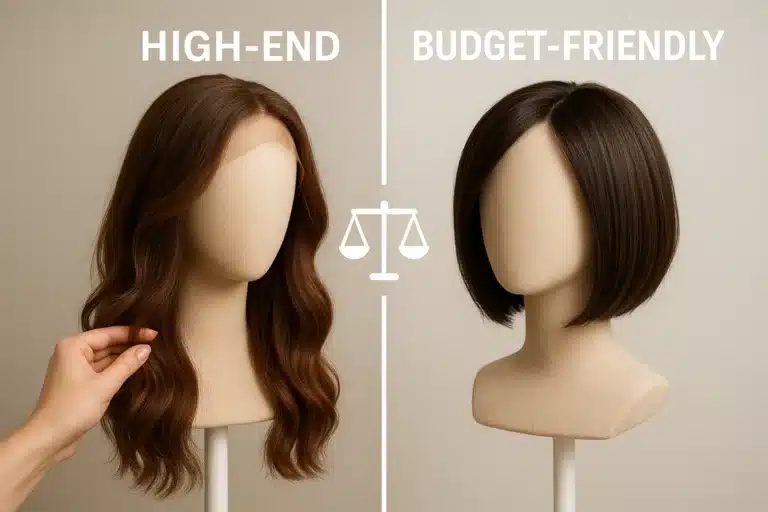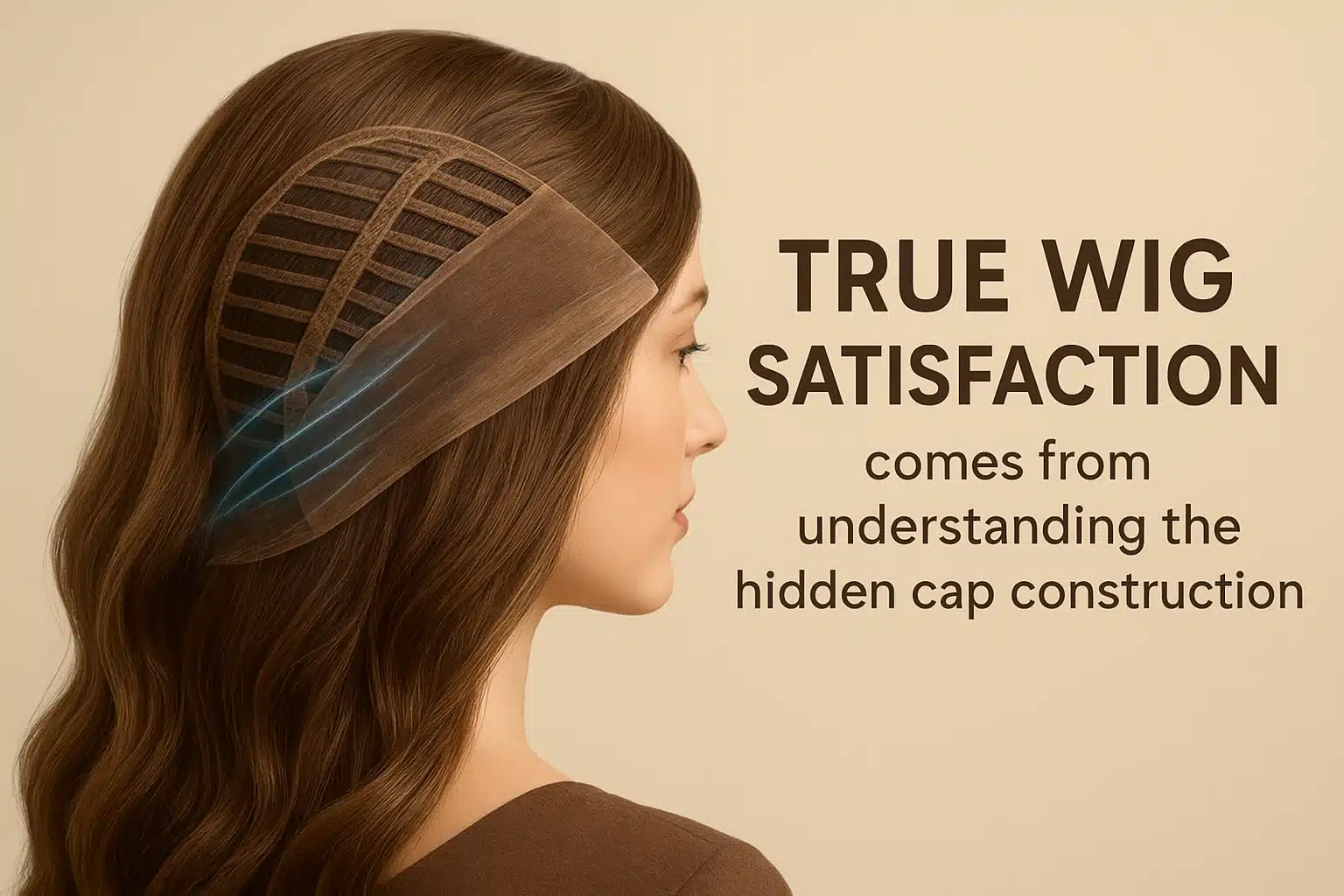
Most people buy a wig based on a photograph of the hair. But here is the industry’s best-kept secret: your long-term satisfaction with a wig has very little to do with the outside, and almost everything to do with the inside. The wig cap—the hidden foundation that sits directly against your scalp—dictates 90% of your comfort, breathability, and daily confidence.
This is especially true when navigating North Carolina’s famously unpredictable climate. What feels perfectly fine in an air-conditioned boutique might turn into a miniature sauna during a humid July afternoon at Pullen Park. Whether you are exploring the best wig stores in Raleigh NC to try pieces on in person, or browsing a vast online catalog from the comfort of your living room, understanding wig cap construction is your best defense against buyer’s remorse.
The Raleigh Climate Factor: Why the “Inside” Matters Most
Wig manufacturers love to talk in technical specifications, but wig wearers live in a world of physical sensations. When you are standing in the North Carolina humidity, you don’t care about “weft denier”—you care about whether your scalp can breathe.
In the wig world, we look at caps through a “Cooling Spectrum.” Because hair naturally acts as an insulator, the material resting against your scalp determines whether heat gets trapped or escapes. If you’re specifically searching for cooling wigs to combat the southern heat, you need to know how different materials perform when the temperature rises.
To make this easier, we’ve evaluated the main cap types using a Raleigh Humidity Rating (a 1 to 5 flame scale, where 1 flame is exceptionally cool and breathable, and 5 flames means it retains the most heat).
The 4 Pillars of Wig Cap Construction (Translated for Real Life)
If you have ever felt overwhelmed by wig terminology, you aren’t alone. Let’s translate the four main cap constructions from manufacturing jargon into real-world sensations.
1. Basic Wefted (Capless): The “Air Conditioner” of Wigs
Don’t let the term “basic” fool you. Basic wefted caps (often called “capless”) are constructed with open rows of hair called wefts. Instead of a solid piece of fabric, the cap has open spaces between these rows.
- The Sensation: Maximum airflow. It feels incredibly lightweight.
- Best For: Shoppers on a budget, first-time buyers, and those prioritizing a cool head above all else.
- Raleigh Humidity Rating: 🔥 (1/5 Flames – Maximum breathability)
2. Lace Front: The Invisible Hairline
A major source of purchase regret comes from the “Lace Front vs. Full Lace” confusion. Most beginners think a “lace front” means the entire wig is made of lace. It isn’t! A lace front wig simply features a delicate, sheer lace panel strictly at the front hairline, with the rest of the cap usually made of standard wefts.
- The Sensation: Standard breathability with a massive boost in styling confidence. It allows you to pull the hair away from your face naturally.
- Best For: Anyone who loves wearing their hair pulled back or styled away from the forehead.
- Raleigh Humidity Rating: 🔥🔥 (2/5 Flames – Very breathable)
- Note: When shopping for lace front wigs, be aware that the delicate lace requires gentle handling to avoid tearing.
3. Monofilament: The Parting Magician
There is a common “Parting Myth” that you can part any wig wherever you like. In reality, unless a wig has a monofilament or hand-tied top, the part is permanent. A monofilament cap features a sheer mesh panel where individual hairs are tied one by one, creating the illusion of hair growing directly from your scalp.
- The Sensation: Slightly more structured at the top, but incredibly natural-looking.
- Best For: Those who love to change their hair part (left, right, or center) and want the most realistic scalp appearance.
- Raleigh Humidity Rating: 🔥🔥🔥 (3/5 Flames – Moderate heat retention at the crown)
4. Hand-Tied: The “Silk Sheet” of Wigs
In a 100% hand-tied cap, every single hair is individually knotted into a soft, stretchy, fine mesh base. There are no bulky wefts or seams.
- The Sensation: It feels like a soft, silky t-shirt against a bare scalp. It stretches in all directions, gently hugging the head without pressure points.
- Best For: Total hair loss. If you have a sensitive scalp, a hand tied human hair wig is the undisputed gold standard for luxury and comfort.
- Raleigh Humidity Rating: 🔥🔥 (2/5 Flames – Surprisingly cool due to the lack of heavy cotton seams)
The Comfort vs. Cost Matrix: When is an Upgrade Worth It?
Wigs range from $50 to over $2,000, and the cap construction is the primary driver of that cost. But is the upgrade actually worth it? Instead of looking at price tags, look at the problem you are trying to solve:
- “I get hot instantly.” Skip the expensive solid caps. Go for a Basic Wefted (Capless) design. You save money and stay cooler.
- “My scalp is incredibly sensitive.” The upgrade is mandatory. A 100% Hand-Tied cap will prevent the itching and scratching that leads to “wig fatigue” halfway through your day.
- “I want my wig to look 100% natural at the hairline.” A Lace Front upgrade is worth every penny, providing the illusion of natural hair growth at the forehead.
Mastering the Fit: The 4-Finger Rule
A beautiful wig on the wrong-sized cap is an unwearable wig. Whether you are visiting a salon specializing in alopecia wigs Raleigh or measuring at home for an online order, you must know how to check the fit.
Enter the 4-Finger Rule. To ensure your wig is sitting correctly, place four fingers horizontally across your forehead, with your pinky resting right above your brow bone. Your index finger should naturally point to where the front of the wig cap belongs.
If the cap is pulling back behind this line, it’s too small. If it slides down onto your forehead, it’s too large. A well-fitting cap should comfortably grip the perimeter of your head without causing tension headaches or slipping when you shake your head.
The Hybrid Shopping Strategy: Local Try-Ons, Online Selection
Many savvy Raleigh shoppers are adopting a “hybrid” approach to their hair journey.
They begin by visiting local boutiques to physically feel the difference between a wefted cap and a hand-tied cap. They get professionally measured and figure out which cap sensation they prefer.
Once they understand their physical preferences, they move their search online. Online retailers can carry thousands of styles, colors, and specific types of wig caps that local shops simply don’t have the floor space to stock. By educating yourself first, you transition from a hesitant local browser to a highly confident online purchaser.
Common Wig Cap Troubleshooting
Even with the perfect cap, beginners run into a few common hurdles. Here is how to fix them:
- The Cap Feels Scratchy: If you bought a wefted wig and find it itchy, wear a bamboo or cotton wig liner underneath. It acts as a soft barrier between the wefts and your scalp.
- The Cap is Slightly Too Big: Look for the adjustable velcro or hook straps at the nape of the neck (almost all modern wigs have these). You can tighten the cap by up to half an inch.
- The Lace Front is Lifting: If the lace won’t lay flat against your forehead, you may need to use a tiny dab of wig-safe adhesive or tape, or simply have the lace professionally trimmed to match your unique hairline contour.
Frequently Asked Questions for Beginners
Do I need to wear a wig cap underneath my wig?
It depends on your biological hair and the wig cap construction. If you have natural hair, a nylon wig liner helps compress your hair flat. If you have no hair, a liner is optional but can help absorb sweat and protect your scalp from scratchier wefted wigs.
Are hand-tied wigs hotter than basic caps?
They fall somewhere in the middle. While they don’t have the wide-open airflow of a capless/wefted wig, the materials used in hand-tied caps are incredibly thin and lightweight, making them much cooler than older, traditional solid-cap wigs.
I’m buying my first daily-wear piece. Should I get a Full Lace wig?
Usually, no. Full lace wigs are incredibly delicate and require adhesive to lay correctly around the entire perimeter of the head. For your first daily-wear piece, a Lace Front with a wefted or hand-tied back offers the perfect balance of a natural hairline and easy, throw-on-and-go wearability.
Your Next Steps to Wig Confidence
Choosing the right wig cap doesn’t have to be a guessing game. By starting with the “inside” of the wig, you are already miles ahead of the average shopper.
Your next step is simple: grab a soft measuring tape and measure the circumference of your head. Next, decide on your non-negotiable priority—are you optimizing for the cool airflow needed for a humid Carolina summer, the sensitive-scalp luxury of a hand-tied silk base, or the styling versatility of a lace front?
Once you define your needs, finding the perfect style and color becomes the easiest—and most enjoyable—part of the journey.