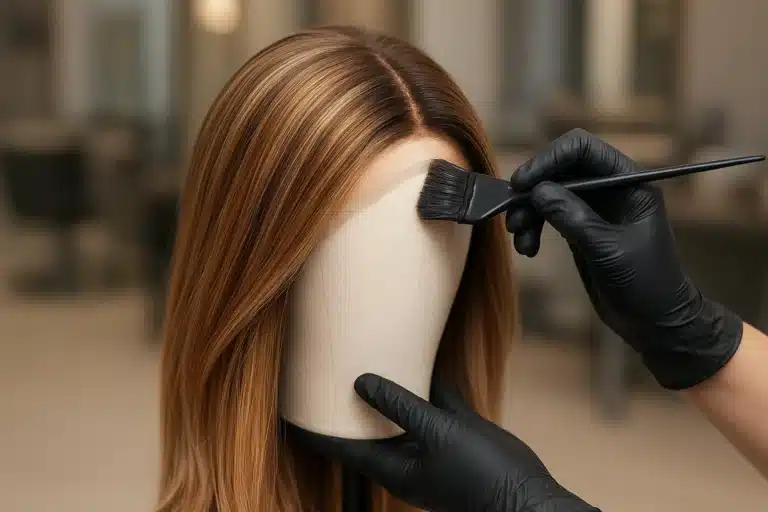
Walking into a wig boutique for the first time is an experience that often carries a heavy emotional weight. Whether you are navigating medical hair loss, preparing for oncology treatments, or simply looking for a high-fashion lifestyle transformation, the journey to the consultation chair can feel incredibly intimidating. It is completely normal to feel a mix of anticipation and anxiety when stepping into this new world.
If you are at the beginning of your journey, you have likely done some research. Perhaps you have already browsed through directories to find the best wig stores in Memphis, TN and booked your initial appointment. But identifying a reputable boutique is only the first step. A massive educational void exists between finding a local store and successfully navigating the actual fitting. What should you wear? How do you prepare your biological hair? What is the polite way to tell a stylist that a wig simply doesn’t feel right?
Think of this guide as your trusted companion—a masterclass in wig consultation preparation designed to transform you from an anxious browser into an empowered, confident salon client.
The Biological Foundation: The “Three-Zone” Preparation Protocol
Many first-time clients assume they can simply walk in, sit down, and start trying on wigs. However, how you prepare your biological hair and scalp directly impacts how well a wig fits and looks. Stylists refer to this as the “Three-Zone” Preparation Protocol.
1. The 24-Hour Cleanse (Scalp Hygiene)
Your scalp preparation should begin exactly 24 hours before your appointment. Use a gentle clarifying shampoo to remove any buildup, and crucially, skip the heavy oils, edge controls, and silicone-based serums.
Why? Because excess sebum and heavy hair products will ruin the adhesives or tape tests the stylist might use during your consultation. Furthermore, if you are experiencing a sensitive, tender scalp due to medical shedding, arriving with a clean, product-free scalp ensures maximum comfort when trying on medical-grade cranial prosthetics.
2. Hair Compression Mechanics
The most common mistake beginners make is showing up with a voluminous hairstyle. If your biological hair isn’t lying flat against your scalp, it can skew a stylist’s head circumference measurements by up to a full inch.
Depending on your hair length and density, prepare your hair using low-profile flat twists, micro-cornrows, or a criss-cross bobby pin set. The goal is a smooth, flat foundation so the wig cap can sit completely flush against your head, preventing the dreaded “wobbly” feeling and unnecessary tension headaches.
3. Wardrobe Selection
Your outfit matters much more than you might think. Always wear a button-down shirt, a wide-neck blouse, or a zip-front top to your fitting. When you find a wig you love, the last thing you want to do is drag a tight-necked t-shirt over your head, causing static, tangling the hair fibers, or pulling the freshly fitted cap out of place.
The Mechanics of the Fitting: What to Expect in the Chair
Understanding the logistical realities of the consultation can significantly lower your anxiety. When you sit in the chair, a professional stylist will guide you through several technical steps.
The 6-Point Head Measurement
A proper custom fitting is not a “one size fits all” guessing game. Your stylist should take a meticulous 6-point measurement using a soft measuring tape. This includes:
- Circumference around the head
- Front hairline to the nape of the neck
- Ear-to-ear across the forehead
- Ear-to-ear over the top of the crown
- Temple-to-temple around the back of the head
- The width of the nape of your neck
The 4-Finger Hairline Alignment Standard
During the try-on phase, pay attention to where the wig sits on your forehead. A universally helpful rule of thumb is the “4-Finger Hairline Alignment Standard.” Place four of your fingers horizontally above your eyebrows; your wig’s front hairline should naturally begin right above your top finger. This prevents “forehead creep,” a common beginner mistake where the wig is pulled too far down, creating an unnatural look.
The “Silicone Fallacy” and the Natural Light Test
When you touch display wigs in a boutique, they often feel remarkably silky. Be aware of the “Silicone Fallacy.” Many factories wash their wigs in heavy silicones that make dry, lower-quality hair feel incredibly soft on day one, only to tangle after the first wash.
To evaluate the true color and lace blending, ask your stylist if you can step over to a window. Salon vanity lights can be harsh and deceiving. Viewing the hair cuticle and lace under the natural Memphis sun is the most accurate way to ensure a seamless match.
Memphis Climate Considerations: Beating the Humidity
Purchasing a wig in a subtropical climate requires strategic planning. The Memphis summer, notorious for pushing the humidity index well over 70%, profoundly impacts cap breathability and lace adhesives.
When evaluating cap construction, consider the Memphis Climate Shield Matrix:
- Cap Breathability: If you run hot or plan to spend time outdoors along the Mississippi River, prioritize open-wefted caps or hand-tied monofilament tops over solid, heavier bases. They allow maximum airflow to your scalp, preventing fungal buildup and slippage.
- Adhesive Resilience: High humidity and sweat are the natural enemies of acrylic glues. Discuss sweat-resistant copolymer adhesives, polyurethane (poly) bands, or even glueless silicone grip systems with your stylist to ensure your unit stays secure even on a 95-degree July afternoon.
Unspoken Salon Etiquette: Navigating the Appointment
Wig boutiques operate differently than traditional hair salons. Understanding the unspoken etiquette ensures a smooth, respectful experience for both you and the professional.
The “One Guest” Rule
It is tempting to bring your mother, sister, and best friend to help you choose. Resist this urge. Bringing an entourage often leads to conflicting opinions, decision fatigue, and overwhelming anxiety. Bring exactly one trusted advocate—someone who understands your personal style and will offer gentle, constructive support.
Photography and Video Protocols
Taking photos is crucial for remembering how different units look on you, but always ask for permission first. A polite, “Do you mind if my friend snaps a few photos so I can review these in different lighting later?” goes a long way. Many private studios cater to high-profile clients or vulnerable medical patients, so keeping your camera focused solely on yourself is standard courtesy.
Honest Budgeting and Graceful Exits
Be transparent about your budget within the first five minutes of your appointment. Remember to ask if the price tag reflects the base unit or if it includes customization fees (like bleaching knots, plucking hairlines, or custom haircuts).
If you try on several pieces and nothing feels quite right, it is perfectly acceptable to walk away. You can gracefully exit by saying, “I really appreciate your expertise today. I need to sleep on these options before making a final investment.”
Your Stylist Question Playbook
To ensure you are getting the highest quality product and service, bring these questions to your consultation:
- “Are the cuticles on this human hair wig intact and aligned in the same direction?”
- “What post-appointment customizations are included in the price, and what is considered an upcharge?”
- “Given my lifestyle (e.g., active gym-goer, sensitive scalp), which cap construction do you recommend?”
- “What is your policy regarding returns, restocking fees, or adjustments if the fit feels off after a few days?”
Frequently Asked Questions (FAQ)
Do I have to shave my head or cut my hair before a wig consultation?
Absolutely not. Unless you are ready to transition your biological hair, a skilled stylist can use braiding techniques, wig caps, and compression methods to comfortably fit a wig over your existing hair.
Does the consultation fee apply to the wig purchase?
This varies by boutique. Many high-end salons charge a consultation fee to cover the stylist’s time, which is then credited toward your final purchase if you buy a unit that day. Always clarify this policy when booking.
How snug should the cap feel?
Your wig should feel like a comfortable, supportive headband—secure, but never tight enough to cause a headache. If you feel pressure points at your temples or behind your ears, the cap is too small.
How do I navigate medical insurance for a cranial prosthesis?
If you are losing your hair due to medical treatments, request a prescription from your doctor for a “cranial prosthesis” (not a “wig”). Many specialized boutiques can provide you with the proper NPI codes and itemized receipts required to submit an insurance reimbursement claim.
Your Next Steps Toward Confidence
Navigating a wig consultation doesn’t have to be a stressful leap into the unknown. By preparing your biological hair, understanding cap mechanics, keeping the local climate in mind, and setting clear communication boundaries, you transform the salon chair from a place of vulnerability into a space of empowerment.
At the end of the day, a high-quality wig isn’t just about aesthetics; it’s about reclaiming your confidence, your comfort, and your personal style. Take a deep breath, prepare your questions, and step into your appointment knowing exactly what to expect. You are entirely ready for this next chapter.