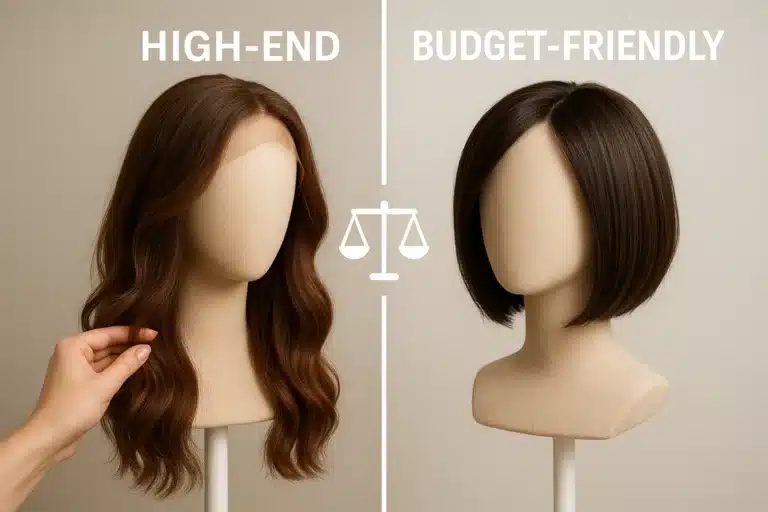
You’ve invested in a beautiful wig, a piece that restores confidence and expresses your personal style. Now comes the most important part: protecting that investment. But navigating the world of wig care can feel overwhelming. With so many products on the market, it’s hard to know which shampoos, conditioners, and treatments will actually preserve your wig’s beauty and which might cause irreversible damage.
You’re not just looking for a product list; you’re looking for a strategy. You need clear, authoritative guidance to feel confident that you’re making the right choices.
This guide is designed to be that resource. We’ll move beyond surface-level tips to give you the detailed insights you need. We’ll explore the science behind specialized formulas, provide step-by-step routines for different wig types, and debunk common myths that could be costing you time and money. Consider this your personal consultation for achieving long-lasting vibrancy and health for your wig.
Why Your Wig Needs Specialized Care: A Tale of Two Fibers
Before diving into products, it’s crucial to understand that wigs are not simply “hair.” They are crafted from specific fibers that have unique needs, and using the wrong products is the fastest way to diminish their lifespan. The global wig market is valued at nearly $4 billion for a reason—the technology and materials require specialized attention.
Human Hair Wigs
A human hair wig offers incredible styling versatility, but the hair is no longer receiving natural oils and nutrients from the scalp. This makes it prone to dryness, frizz, and color fading. Regular shampoos and conditioners are often too harsh, stripping color and moisture. Your goal is to gently cleanse while replenishing hydration that the hair can’t produce on its own.
Synthetic Wigs
Synthetic fibers are essentially a type of plastic, and they require a completely different approach. Regular hair products can contain chemicals that coat the fibers, making them look dull, and harsh sulfates can break down the fibers themselves, leading to frizz and matting. Heat-friendly synthetic fibers have their own rules, needing products that protect them from styling damage without causing buildup.
Decoding Wig Care Formulas: What Your Products Should (and Shouldn’t) Contain
The difference between a vibrant wig and a lackluster one often comes down to ingredients. The industry is moving toward gentler, more effective formulations for a reason. Here’s what to look for when you’re evaluating your options.
The Pillars of a Great Wig Shampoo
The foundation of any good care routine is a shampoo designed specifically for wig fibers. Industry trends show a massive shift toward sulfate-free, pH-balanced formulas with beneficial botanicals.
- Sulfate-Free: Sulfates are harsh detergents that create a rich lather but can strip color from human hair wigs and degrade the integrity of synthetic fibers. A sulfate-free formula cleanses gently without causing damage.
- pH-Balanced: A neutral or slightly acidic pH helps to seal the cuticle of human hair fibers, locking in moisture and reducing frizz. For synthetic wigs, it prevents the fibers from becoming brittle.
- Key Ingredients: Look for hydrating ingredients like glycerin, aloe vera, and panthenol (Pro-Vitamin B5) that add moisture without weighing the wig down.
The Science of Wig Conditioners
Conditioning is a non-negotiable step. For wigs, the goal is to moisturize, detangle, and protect—all without leaving a heavy residue that attracts dirt and creates buildup.
- For Human Hair: Seek out conditioners that replenish moisture and add slip for easy detangling. A good conditioner will make it easier to manage the hair and prevent breakage during combing.
- For Synthetic Hair: A conditioning spray is often the best choice. These lightweight formulas are designed to restore luster and reduce static without coating the fibers. They are crucial for preventing the friction frizz that often occurs at the nape of the neck.
Beyond the Basics: Essential Treatments for Peak Performance
To truly extend the life of your wig, a few extra treatments can make all the difference.
- Leave-In Conditioner Sprays: A must-have for both fiber types. A quick spritz after washing or between washes can revive fibers, tame flyaways, and add a protective barrier against environmental factors.
- Deep Conditioning Treatments (Human Hair Only): Once or twice a month, a deep conditioning mask can dramatically restore moisture and softness to a human hair wig.
- Heat Protectant Sprays (Heat-Friendly Synthetics): If you plan to use heat styling tools on a heat-friendly wig, a specialized heat protectant is essential to prevent the fibers from melting or becoming damaged.
Step-by-Step Care Routines for Every Wig Type
Knowing what products to use is half the battle. Knowing how to use them correctly is what delivers results. Here are clear, actionable routines tailored to your wig type.
For Traditional & Heat-Friendly Synthetic Wigs
The goal here is to cleanse gently and restore the factory finish.
- Detangle: Before washing, gently brush through the wig with a wide-tooth comb, starting from the ends and working your way up to the base.
- Soak: Fill a basin with cool water and mix in a capful of wig shampoo. Submerge the wig and let it soak for 5-10 minutes. Avoid rubbing or scrubbing the fibers.
- Rinse: Gently rinse the wig under cool, running water until the water runs clear.
- Condition: Apply a conditioning spray lightly and evenly, avoiding the base of the cap to prevent the knots from loosening.
- Dry: Gently blot the wig with a towel (don’t wring it out!) and place it on a wig stand to air dry completely.
For 100% Human Hair Wigs
This routine focuses on cleansing while infusing maximum moisture. Learning how to take care of human hair wigs is key to protecting your investment.
- Detangle: Just like with synthetic wigs, gently comb through the hair from ends to roots.
- Wash: Wet the wig under lukewarm running water. Apply a small amount of wig shampoo, gently stroking the hair from top to bottom. Do not scrub.
- Rinse: Rinse thoroughly under lukewarm water until all shampoo is gone.
- Condition: Apply wig conditioner, keeping it away from the cap and knots. Let it sit for a few minutes before rinsing completely.
- Dry: Gently towel-blot the wig and place it on a wig stand. You can let it air dry or use a blow dryer on a low setting.
Solving Common Wig Woes: Expert Solutions
Even with proper care, you may encounter a few common issues. Here’s how to troubleshoot them.
Combating Dryness & Frizz
Dryness is the number one enemy of a human hair wig. When you notice frizz or a straw-like texture, it’s a cry for moisture. A deep conditioning treatment can work wonders. For daily management, a leave-in conditioner will help tame flyaways. If you’re struggling, learning specifically how to fix a frizzy human hair wig can provide targeted solutions to restore its smoothness.
Preventing Tangles and Matting
Tangling, especially at the nape, is common. This is caused by friction. Using a detangling spray before combing is crucial. For more severe cases where the hair has become matted, you may need a more intensive approach. There are specific techniques on how to revive a human hair wig that can bring it back from the brink. Proper storage on a wig stand also helps prevent tangles between wears.
Debunking Destructive Wig Care Myths
Misinformation can lead to costly mistakes. Let’s clear up a few of the most common myths we hear from our clients.
Myth 1: I can use my regular shampoo.
- Fact: As we’ve covered, regular shampoos are formulated for a living scalp and hair that produces oil. Their high pH levels and harsh sulfates will damage both human hair and synthetic wigs, leading to premature aging.
Myth 2: Washing a wig often will ruin it.
- Fact: Product buildup, sweat, and environmental pollutants will ruin a wig much faster than gentle washing. A good rule of thumb is to wash your wig every 7-10 wears, or sooner if you’ve been in a smoky environment or used a lot of styling products.
Myth 3: All conditioners are the same.
- Fact: Heavy, oil-based conditioners designed for bio hair will weigh down a wig and can cause the knots on the cap to loosen over time, leading to shedding. Wig-specific conditioners provide moisture without the damaging residue.
Frequently Asked Questions
How often should I really wash my wig?For most people, every 7-10 wears is a perfect balance. However, if you’re very active or use a lot of styling products, you may need to wash it more frequently.
Can I use drugstore products labeled “sulfate-free”?While better than a traditional shampoo, they still aren’t ideal. They are not pH-balanced for wig fibers and may contain other ingredients not suitable for wigs. It’s always safest to use products specifically formulated for your wig type.
What’s the one product I absolutely must have?If you only buy one product, make it a high-quality, sulfate-free wig shampoo. Proper cleansing is the most critical step in extending the life of your wig. A leave-in conditioning spray would be a close second.
Are the care principles for wigs similar to hair extensions?Yes, there’s a lot of overlap, especially for human hair. Both wigs and extensions lack natural scalp oils and require gentle, hydrating products. Many people find that using the best shampoo for hair extensions also works well for their human hair wigs because the core needs are the same.
Your Next Step to a Longer-Lasting Wig
Caring for your wig shouldn’t be a source of stress. By understanding the unique needs of its fibers and choosing products designed to meet them, you are taking the single most important step in preserving its beauty, comfort, and longevity.
Think of specialized care products not as an expense, but as insurance for your investment. You’ve chosen a piece to help you look and feel your best—now you have the expert-backed knowledge to keep it that way.
Ready to build your perfect care routine? Explore our curated collection of professional-grade shampoos, conditioners, and treatments designed to bring out the very best in your wig.