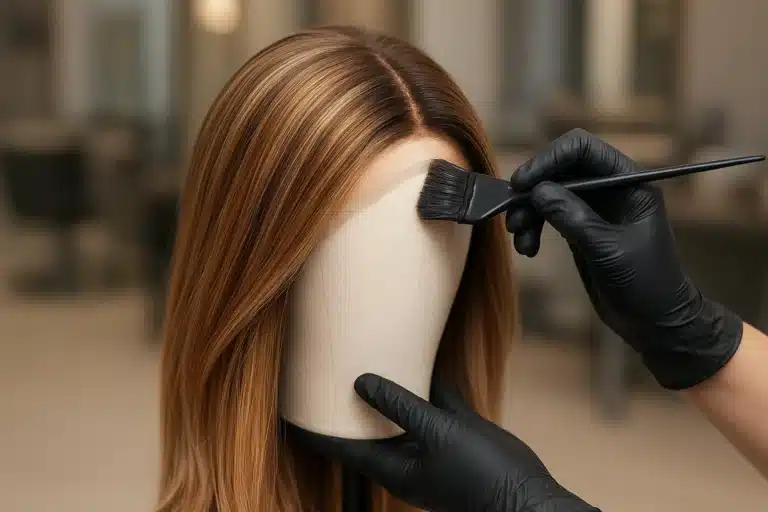
For decades, the conversation surrounding wigs was hushed—focused primarily on concealment and medical necessity. Today, that narrative has shifted entirely. Whether you are navigating hair loss, exploring a new facet of your identity through drag, or simply seeking the versatility of celebrity style, wigs have become a central pillar of modern self-expression.
However, as you evaluate your options, the sheer volume of choices can be overwhelming. The market is saturated with varying degrees of quality, from high-end investments to fleeting fast-fashion pieces. With nearly 20 years of experience in the industry, we understand that you aren’t just looking for hair; you are looking for a solution that offers confidence, realism, and value.
This guide explores how cultural movements—from the vibrant history of drag to the runways of Paris—have shaped modern wig construction, and how you can apply these professional insights to choose the perfect piece for your personal journey.
The Evolution of Identity: More Than Just Hair
To understand the quality of modern wigs, one must understand their history. The wigs we offer today benefit from decades of innovation driven by subcultures that demanded durability and realism.
The Drag Influence: From 1970s Disco to Mainstream Realism
Modern wig technology owes a significant debt to the drag community. While contemporary drag is mainstream, its roots in the 1970s underground laid the groundwork for the structural integrity we see in wigs today. Influenced by the glam rock and disco aesthetics of the era, performers required hair that could withstand intense styling and stage lights without losing its shape.
If you are evaluating wigs for performance or daily wear, the “drag standard” is a useful benchmark for quality. A wig that cannot hold its volume or maintain a realistic hairline under scrutiny is an investment wasted.
- The Lesson for Buyers: Look for high-density fiber counts and reinforced cap construction. If a wig is built to survive a performance, it will easily withstand the rigors of daily life.
The Kosher Standard: Ethics and Tradition
On the other end of the spectrum is the “Sheitel” or Jewish wig tradition. This sector of the market drives strict standards regarding ethical sourcing and hair quality. Orthodox Jewish women often wear wigs for modesty, requiring pieces that are undetectable and comfortable for all-day wear.
- The Lesson for Buyers: When we speak of “European Human Hair” or “Kosher-Certified” wigs, we are referring to a supply chain that prioritizes hair harvested without religious conflicts (idolatry) and processing that maintains the hair’s integrity. This ensures the cuticle remains healthy, providing a shine and lifespan that synthetic alternatives cannot match.
Analyzing the Construction: What You Are Paying For
As you compare different brands and price points, you will encounter technical terms that directly dictate the price and realism of the unit. Understanding these features is critical to making a confident purchase.
1. The Hairline: Lace Front Technology
The most common anxiety for new wig wearers is the fear of an unnatural hairline.
- The Technology: A SmartLace™ or sheer lace front involves individual hairs being hand-tied into a fine, sheer material at the forehead.
- The Benefit: This creates the illusion of hair growing directly from your scalp. It allows you to style the hair away from your face without revealing the wig edge. If realism is your top priority, a lace front is non-negotiable.
2. The Scalp: Monofilament Tops
While the hairline frames the face, the top of the wig determines how natural the movement looks.
- The Technology: Monofilament construction replaces the traditional cloth cap with a sheer mesh.
- The Benefit: This allows your natural skin tone to show through, mimicking a real scalp. More importantly, it allows for “multi-directional parting.” Unlike basic wigs that force a fixed part, a monofilament top lets you change your part from left to right, offering versatile styling options similar to biological hair.
3. The Fiber: Synthetic vs. Remy Human Hair
This is the most significant decision factor regarding budget and maintenance.
| Feature | Premium Synthetic | Remy Human Hair |
|---|---|---|
| Realism | Excellent. Modern fibers mimic the texture of biological hair. | The Gold Standard. Indistinguishable from natural hair. |
| Maintenance | Low. “Shake and Go” memory retains style even after washing. | High. Requires styling, conditioning, and care like growing hair. |
| Heat Styling | Limited (unless Heat-Defiant fiber is chosen). | Fully versatile. Can be curled, straightened, and blown out. |
| Longevity | 4–6 months with daily wear. | 1+ years with proper care. |
| Investment | Moderate ($150 – $400 range). | Significant ($800 – $3,000+). |
Strategic Advice: If you are experiencing fatigue or limited mobility, a high-quality synthetic wig is often the superior choice due to its low maintenance. If you desire the ritual of styling and the absolute softest texture, Remy human hair is the correct investment.
Celebrity Influence and Modern Trends
The normalization of wigs in pop culture—driven by icons like the Kardashians, Beyoncé, and Lady Gaga—has accelerated the availability of fashion-forward styles. We are no longer limited to “traditional” cuts.
- The “Rooted” Look: Modern trends favor “rooted” colors—wigs with darker roots that transition into lighter lengths. This mirrors the natural regrowth of salon-colored hair, adding a layer of hyper-realism that solid block colors lack.
- The Beach Wave: Textures have moved away from stiff, set curls to relaxed, beachy waves. Manufacturers now pre-style synthetic wigs with this texture, meaning you can achieve a “just left the salon” celebrity look instantly, without using heat tools.
Frequently Asked Questions
Q: Will wearing a wig damage my biological hair?
A: No. In fact, wearing a wig can protect your biological hair from daily heat styling and environmental damage. We recommend wearing a bamboo or cotton wig liner to protect your edges and ensure the wig cap does not cause friction against your scalp.
Q: How do I know if a wig will fit my head?
A: 95% of customers fit into an “Average” size cap. However, measuring is simple. Using a flexible tape measure, trace the circumference of your head from the front hairline, behind the ear, to the nape of the neck, and back up. Our collection includes Petite, Average, and Large caps, and most high-quality wigs feature adjustable tabs at the nape for a custom fit.
Q: Why is there such a price difference between wigs that look similar in photos?
A: Photos can be deceiving. The price difference usually lies in the cap construction (hand-tied vs. machine-wefted) and the fiber quality. A lower-cost wig often has a dense, hot cap and shiny, unrealistic fiber. A higher investment yields breathable hand-tied caps and fibers that move and reflect light like natural hair.
Making Your Decision
Choosing a wig is a personal journey, often tied to restoring confidence or reclaiming a part of yourself. At Wig Superstore, we believe that you shouldn’t have to compromise between compassion and quality.
Whether you are drawn to the durability inspired by performance art, the ethical sourcing of traditional craftsmanship, or the latest runway trends, the “best” wig is the one that makes you feel most like yourself.
We invite you to explore our curated collection of premium wigs. If you are unsure where to start, prioritize cap construction for comfort and fiber type for lifestyle—these two factors will ensure your investment brings you joy every time you look in the mirror.