Facing a medical diagnosis is overwhelming enough without the added stress of navigating hair loss. Whether you are undergoing oncology treatments at Corewell Health Lake Drive, receiving care at Trinity Health (formerly St. Mary’s Hospital), or managing a chronic autoimmune condition like alopecia, the sudden need for a medical hair replacement can feel like a daunting financial hurdle. Many patients in West Michigan find themselves lost in a maze of medical jargon, confusing insurance codes, and fragmented local resources just when they need clear answers the most.
Fortunately, you don’t have to navigate this journey alone. Understanding your financial options and knowing where to go can transform an opaque, stressful process into a manageable one. From uncovering hidden insurance benefits to discovering the best wig stores in Grand Rapids, MI that understand your specific medical needs, this guide is designed to be your trusted roadmap. We’ll walk you through the exact terminology, documentation, and local voucher programs available to help cover your costs, ensuring you can focus on what truly matters: your healing and well-being.
The Vocabulary Shift: Why Words Matter to Your Insurance
Here is a surprising insight that often creates a massive “aha” moment for patients: over 70% of initial insurance denials for hair replacement happen because of a single word.
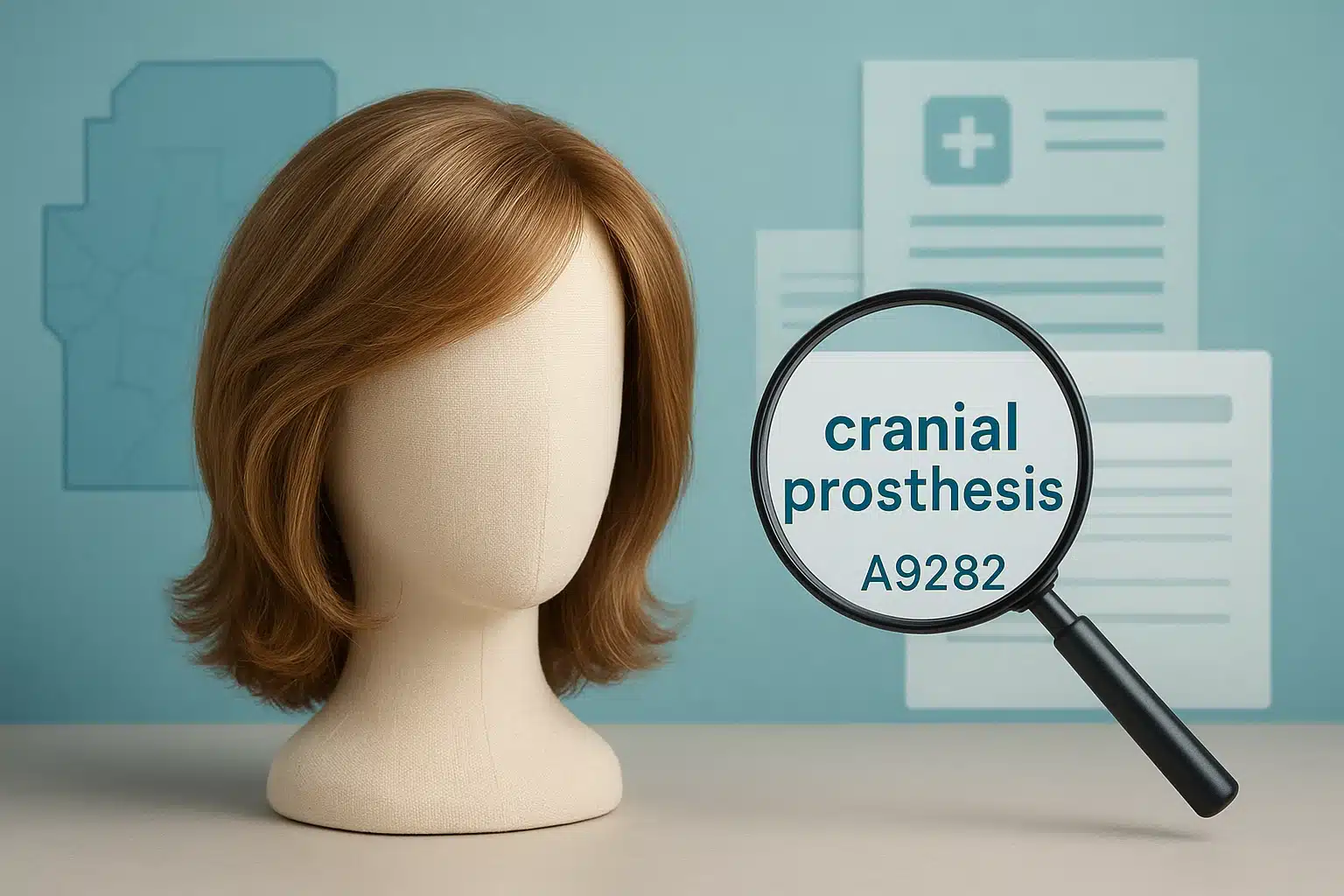
When you submit a claim for a “wig,” insurance companies categorize the item as a cosmetic accessory. Cosmetic items are almost universally excluded from health coverage. However, when your doctor prescribes a cranial prosthesis, it is categorized as a necessary medical device required to treat the side effects of a disease or treatment.
A true cranial prosthesis is designed differently than a standard fashion wig. Because medical treatments often leave the scalp incredibly sensitive, these prostheses are constructed with specialized materials. Features like 100% hand-tied caps, double monofilament tops that hide knots and protect bare skin, and polyurethane skin tabs for secure, tape-friendly attachment are standard. Knowing this distinction not only helps you shop for the right cap construction but empowers you to demand the correct wording from your healthcare provider.
Decoding Michigan Insurance Policies and Medical Codes
To get your insurance to step in, you have to speak their language. When you ask your dermatologist or oncologist for a wig prescription, you actually need them to write a “Letter of Medical Necessity” (LMN) for a cranial prosthesis. This prescription must include specific billing codes to process successfully.
The Codes You Need to Know
- HCPCS Codes: These are the billing codes for the physical item. The standard code is A9282 (Cranial prosthesis). Occasionally, some insurers use S8095.
- ICD-10 Codes: This is your diagnosis code. For alopecia, it typically falls in the L63.0–L63.9 series. For chemotherapy-induced hair loss, it will be a specific C-code related to your oncology diagnosis.
Understanding the Michigan Landscape
Insurance coverage for hair prostheses in Michigan varies wildly depending on your provider:
- Original Medicare: Unfortunately, Original Medicare has a strict statutory exclusion and does not cover wigs or cranial prostheses for any condition.
- BCBSM Medicare Plus Blue Group PPO: If you have this specific employer-elected group plan, you may have enhanced benefits that specifically cover physician-prescribed hair prostheses for chemotherapy-induced hair loss.
- Michigan Medicaid (Healthy Michigan Plan): Michigan Medicaid does provide coverage, but it is typically capped at a $300 lifetime maximum.
Local Grand Rapids Assistance: Vouchers and Non-Profit Programs
Even with insurance, you might face out-of-pocket costs. Thankfully, Kent County has a robust ecosystem of support designed to help patients bridge the financial gap when purchasing medical wigs.
- American Cancer Society (ACS): The ACS offers a voucher program (typically up to $75) for cancer patients to use toward medical hair prostheses. You can contact the local Grand Rapids ACS office or your hospital social worker to apply.
- Beautiful You by Profile: This incredible local Grand Rapids non-profit offers complimentary head coverings, wigs, and wellness services specifically for women navigating cancer treatments.
- Trinity Health Boutique: Located right on the hospital campus at 250 Cherry St SE, this integrated boutique simplifies the transition from treatment to hair replacement, offering specialized fitting services with an understanding of clinical needs.
Your Step-by-Step Medical Claim Toolkit
Ready to take action? Follow this roadmap to minimize your out-of-pocket expenses and navigate the buying process with confidence.
1. The Pre-Purchase Phone Call
Before visiting a boutique or shopping online, call the customer service number on the back of your insurance card. Ask them directly: “Does my policy cover a cranial prosthesis (HCPCS code A9282) for medical hair loss?” If they say yes, ask what percentage they cover, if you need to use an in-network provider, and what your deductible is.
2. Secure the Right Retailer Invoice
Whether you visit a local shop like Breton Designer Wigs or shop securely online, your receipt cannot just say “Wig – $500.” To file a claim, you need an itemized medical invoice. Crucially, the invoice must include the retailer’s Tax ID and, in some cases, an NPI (National Provider Identifier) number.
3. Stacking Your Benefits
Did you know you can stack your financial resources? You can apply an ACS voucher to the upfront cost at participating local boutiques. If your insurance only covers a portion of the remaining balance, you can legally use your HSA (Health Savings Account) or FSA (Flexible Spending Account) funds to cover the rest, as a cranial prosthesis is an IRS-approved medical expense.
Frequently Asked Questions (FAQ)
What do I do if my insurance claim for code A9282 is denied as “cosmetic”?
Don’t panic—initial denials are incredibly common. File an appeal immediately. In your appeal letter, include your doctor’s Letter of Medical Necessity, photos of your hair loss, and clearly reiterate that the claim is for a medical cranial prosthesis, not a cosmetic wig.
Can I get a cranial prosthesis covered if I live out of state or travel for care?
Yes, but the process involves navigating the specific rules of your regional carrier. For example, if you are reading this while helping a loved one in another state, exploring how different regions handle a cranial prosthesis claim can provide perspective, though the fundamental codes (A9282) and the need for an LMN remain universal across the U.S.
What cap construction is required for a chemo scalp?
Look for terms like “100% hand-tied,” “monofilament top,” and “weft-free.” Traditional machine-made wefted wigs have seams that can rub and irritate a sensitive, bare scalp. Hand-tied caps use soft, seamless materials that mimic natural hair growth while protecting your skin.
Next Steps on Your Journey
Losing your hair to a medical condition is a deeply personal and often challenging experience, but finding the right solution shouldn’t be. By arming yourself with the correct terminology, understanding Michigan’s specific insurance landscape, and tapping into Grand Rapids’ local voucher programs, you are taking back control of your journey.
For nearly two decades, Wig Superstore has been dedicated to providing compassionate care, industry expertise, and high-quality premium synthetic and 100% human hair wigs to individuals experiencing hair loss. Take your time, lean on your local Grand Rapids medical navigators, and remember that there is a whole community of support ready to help you feel beautiful and confident once again.