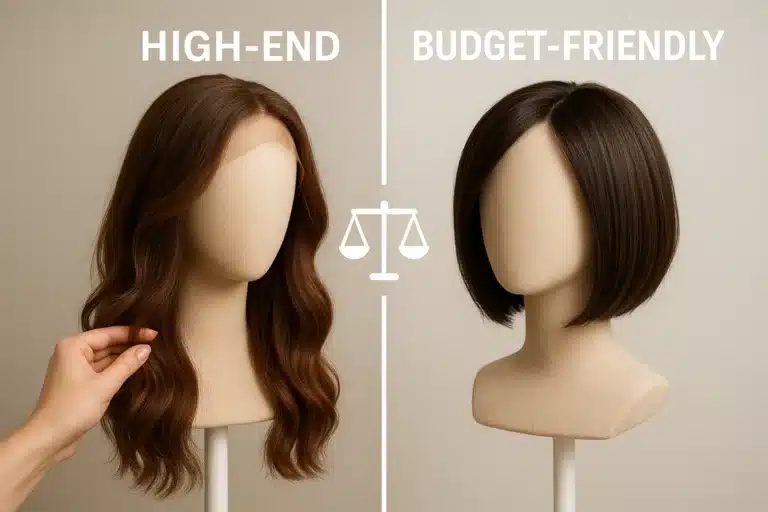
Facing medical hair loss due to chemotherapy or alopecia is an incredibly vulnerable experience. Between coordinating doctors’ appointments, managing treatments, and navigating the emotional toll, figuring out how to handle hair loss can feel like one challenge too many. For many, finding a hairpiece that looks and feels natural is a vital step toward reclaiming their confidence and sense of self.
Often, people assume that a high-quality medical hairpiece is a luxury expense they will have to cover entirely out of pocket. However, there is a lesser-known pathway through medical insurance that can significantly alleviate this financial burden. The secret lies in understanding the precise language and paperwork required by insurance providers. When searching for support, start by evaluating the best wig stores in Philadelphia, PA to ensure you partner with professionals who understand both the emotional and technical aspects of this journey.
The “Magic Words”: Why You Should Never Say “Wig” to Your Insurance Company
Here is one of the most important “aha moments” in the medical hair loss journey: to an insurance company, the word “wig” implies a cosmetic accessory. If you submit a claim for a “wig,” it is almost guaranteed to be denied.
To secure coverage, you must use the medical term: cranial prosthesis.
A cranial prosthesis is classified as Durable Medical Equipment (DME). Unlike standard fashion wigs, these medical-grade prostheses are designed specifically for individuals with complete or severe hair loss. They feature specialized, sensitive-skin-friendly caps that won’t irritate a bare scalp, and they require a professional wig fitting to ensure security and comfort. By simply shifting your vocabulary from “wig” to “cranial prosthesis,” you bridge the gap between a cosmetic want and a medical necessity.
The Paperwork Trinity: Your Roadmap to Reimbursement
Securing insurance reimbursement requires a coordinated effort between you, your doctor, and your chosen hair loss specialist. Think of this as the “Paperwork Trinity.”
1. The Prescription (Your Doctor’s Role)
Before you even step foot in a store, you need a prescription from your oncologist or dermatologist. This prescription must explicitly state “Cranial Prosthesis for medical hair loss.”
Educational Insight: Ask your doctor to include the specific ICD-10 diagnosis code for your condition. For example, the codes for Alopecia range from L63.0 to L63.9. For chemotherapy-induced hair loss, specific treatment codes apply. Having these exact codes on your prescription is non-negotiable for insurance providers.
2. The Medical Invoice (The Shop’s Role)
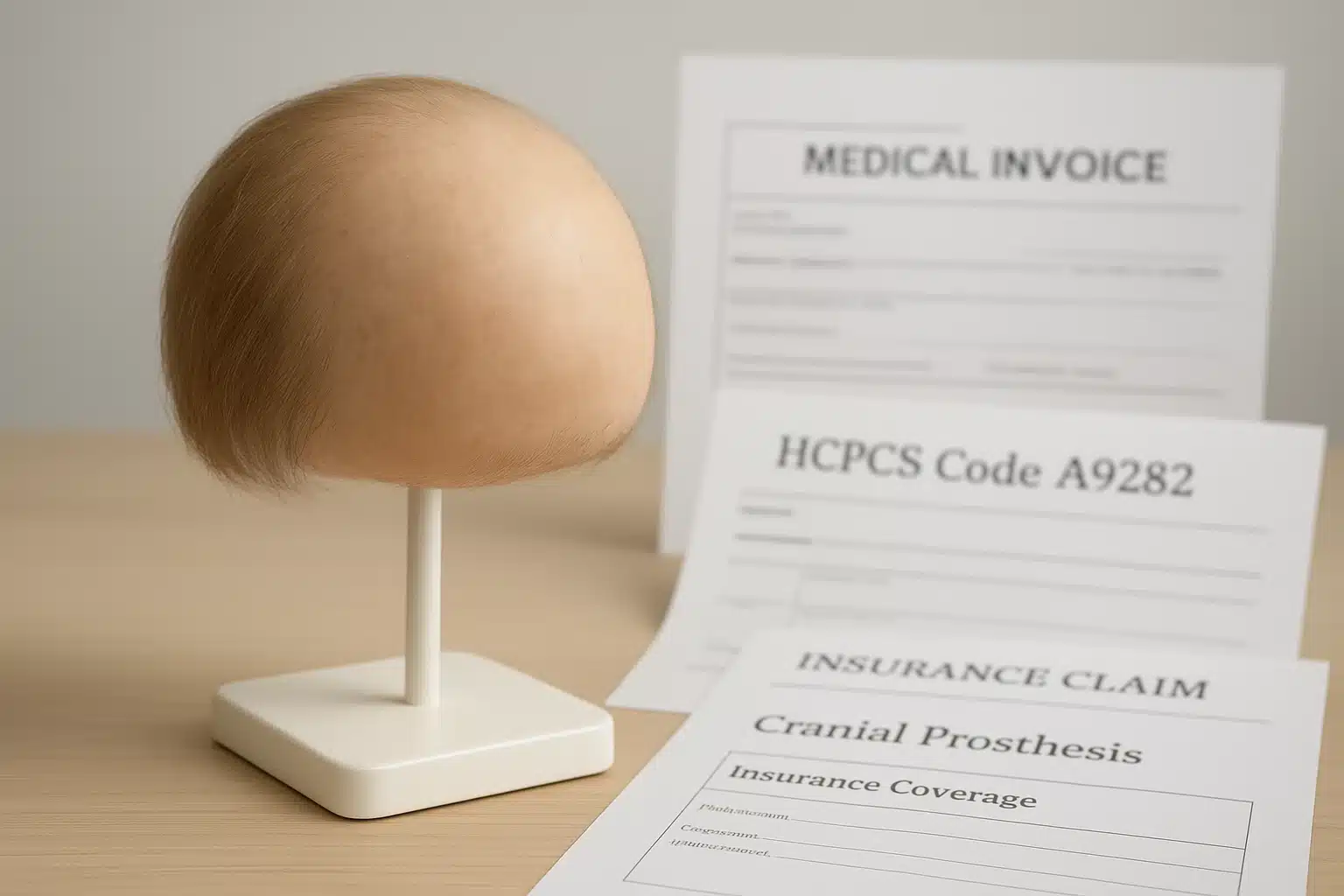
When you purchase your cranial prosthesis, a standard retail receipt won’t work. Your chosen boutique must provide a detailed medical invoice. This document needs to include:
- The shop’s National Provider Identifier (NPI) number and Tax ID.
- The specific billing code for a cranial prosthesis: HCPCS Code A9282.
- A clear breakdown showing that the item is a medical-grade device.
The Philly Reality Check: It’s important to know that most boutiques in the 215 area code operate on a “Prepay-then-Reimburse” model. This means you will likely need to pay for the prosthesis upfront and then submit the specialized invoice to your insurance company for reimbursement.
3. The Claim Form (Your Role)
Finally, you will submit the prescription and the medical invoice along with your insurance company’s specific claim form. Keep copies of everything, and take photos of the medical-grade cap interior to prove it differs from a standard fashion wig, just in case they request visual documentation.
Finding the Right Support: Medical Wig Specialists in Philadelphia
Philadelphia’s competitive landscape for medical hair loss solutions is uniquely divided between clinical hospital services and specialized boutique retailers. Depending on where you are receiving treatment—whether it’s Fox Chase, Jefferson, or Penn—there are local options designed to support you.
- Penn Medicine (Cancer Center Boutique): Dominating through institutional trust, this clinical setting is excellent for patients already within the Penn system. They offer direct clinical consultations, though their primary focus is often on the product rather than walking you through the financial “how-to.”
- Salon Bala & Wig Boutique (Bala Cynwyd): Known for their strong focus on chemotherapy and alopecia, their unique value lies in the “private room” experience, offering a highly discreet and empathetic environment.
- D.D. Daughters (Willow Grove): An emerging local authority that leverages visual content to help demystify the insurance process, making them a great resource if you need step-by-step guidance.
- Hairs 2 U Wig Bank (South Philly): An exceptional community checkpoint for support groups and low-cost options, ideal for those who may not have insurance coverage but still need immediate, compassionate assistance.
Navigating Philadelphia-Specific Insurance Nuances
While states like New York and Maryland have specific mandates requiring insurance companies to cover cranial prostheses, Pennsylvania does not currently have a broad state mandate for all plans.
However, do not let this discourage you. Many Philadelphia-based employer plans (such as those offered by Comcast, UPenn, and other large corporations) have specific, robust DME clauses written into their private policies. It is always worth calling your insurance provider and asking specifically: “Does my policy cover HCPCS Code A9282 under my Durable Medical Equipment benefits?”
The “If They Say No” Guide
If your initial claim is denied, remember that a denial is often just the beginning of a negotiation. Insurance companies frequently deny claims due to minor coding errors.
- Review the Denial Letter: Look for the exact reason. Was it a missing tax ID? Was the word “wig” accidentally used?
- Submit a Letter of Medical Necessity: Have your doctor write a detailed letter explaining why this specific prosthesis is vital for your mental health and physical recovery (protecting the sensitive scalp from the elements).
- File an Appeal: Follow your provider’s specific appeal process, attaching visual proof of the medical cap and the doctor’s letter.
Frequently Asked Questions (FAQ)
Does insurance cover wigs for chemo in PA?
Yes, but it depends entirely on your specific insurance policy, as Pennsylvania does not have a statewide mandate. You must check your Durable Medical Equipment (DME) benefits and ensure the item is billed as a “cranial prosthesis.”
What is the difference between a cosmetic wig and a medical-grade wig?
A cosmetic wig is designed for fashion, often featuring materials that can be itchy or uncomfortable on a bare scalp. A medical-grade wig (cranial prosthesis) is custom-fitted, made with hypoallergenic, non-slip materials, and designed specifically for those with total hair loss.
Where can I get a free wig in Philly?
If insurance isn’t an option, local community resources like the Hairs 2 U Wig Bank in South Philadelphia offer incredible support and low-cost or free options for individuals undergoing medical treatments. Additionally, check with local chapters of the National Alopecia Areata Foundation (NAAF) or hospital social workers for local grants.
How do I get my doctor to write a prescription for a wig?
Simply explain to your oncologist or dermatologist that you are experiencing medical hair loss and plan to utilize your DME insurance benefits. Ask them to write a prescription for a “Cranial Prosthesis” and ensure they include the correct ICD-10 diagnosis code for your specific condition.
Your Next Steps on This Journey
Navigating medical hair loss is a profound transition, but you do not have to walk this path alone. Armed with the right vocabulary—knowing to ask for a cranial prosthesis and utilizing the correct medical codes—you are already taking back a sense of control over your journey.
Take a moment to download your insurance provider’s claim forms, schedule a conversation with your doctor about your prescription, and begin researching local Philadelphia boutiques that prioritize empathetic, professional care. By taking these small, actionable steps, you pave the way toward finding a solution that helps you feel beautiful, confident, and most importantly, like yourself again.