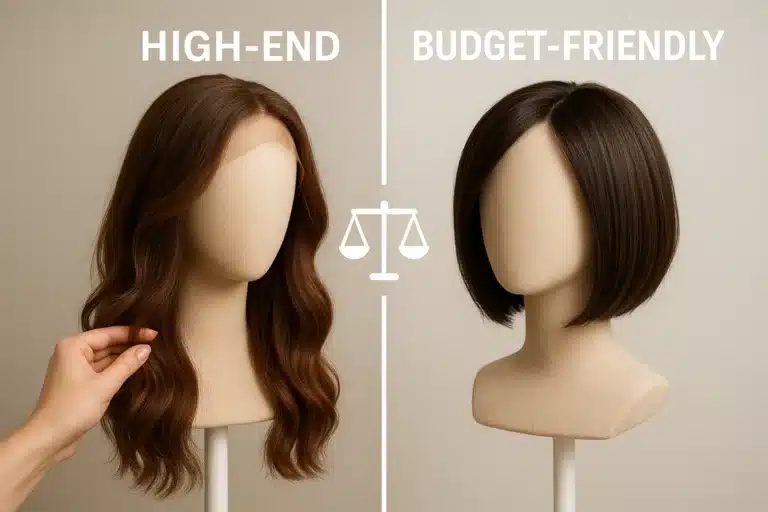
When you purchase a high-quality human hair wig or a premium synthetic piece, you aren’t just buying a beauty accessory—you are acquiring a significant asset. Much like purchasing a designer handbag or investing in fine jewelry, a premium hairpiece carries both emotional and financial value. Yet, while most people wouldn’t hesitate to insure a diamond ring, few realize that similar financial protections exist for their hair.
Shifting your mindset from “consumer” to “investor” changes how you approach this purchase. It isn’t just about the initial transaction; it is about the long-term “cost per wear.” By understanding how to maximize the lifespan of your hairpiece, leveraging medical insurance reimbursements, and utilizing warranty protections, you can significantly reduce your effective costs. This guide explores the often-overlooked financial ecosystem of hair replacement, helping you secure your investment against loss, damage, and depreciation.
The High Stakes of Hair: Understanding the Protection Tiers
To navigate the world of wig protection effectively, it helps to view protection as a tiered system. Most buyers stop at Level 1 (the store policy), missing out on the substantial financial recovery available at Levels 2 and 3.
- Level 1: Manufacturer Warranties (Covers structural defects)
- Level 2: Medical Insurance (Covers the cost of the “prosthesis”)
- Level 3: Personal Property & Tax Strategy (Covers theft, loss, and tax deductions)
By combining these layers, what looks like a $2,000 expense on paper can effectively cost significantly less when managed correctly.
Level 1: The Reality of Manufacturer Warranties
Every reputable manufacturer offers a warranty, but there is often a disconnect between what a customer expects to be covered and what actually is. Warranties are designed to protect you against manufacturing defects, not the natural deterioration of the fiber.
What Is Typically Covered?
Defects usually reveal themselves within the first few wears. This might include excessive shedding due to poor knotting, inverted hair causing tangling at the root, or structural failure of the cap materials.
The “Wear and Tear” Exclusion
Warranties almost never cover damage resulting from handling. This is where technical knowledge becomes essential. For example, if you need to replace closure on wig foundations because the lace has frayed from aggressive brushing or improper glue removal, this is considered user error, not a defect.
Similarly, fit is a crucial factor in warranty validity. If a wig doesn’t cover sideburns adequately because the cap size is too small, the constant tugging to pull it down will eventually tear the ear tabs. This friction damage is arguably the most common reason warranty claims are denied. Ensuring a professional fit measurement prevents this structural stress before it starts.
Level 2: Unlocking Medical Reimbursement
The most significant opportunity for “Return on Investment” (ROI) lies in health insurance. However, success here depends entirely on your vocabulary. In the eyes of insurance providers, a “wig” is a cosmetic accessory, but a “Cranial Prosthesis” is a medical necessity.
The Importance of Coding
To successfully file a claim, you must move away from fashion terminology. If you are experiencing hair loss due to a medical condition—often categorized in medical coding under hairpiece disease classifications such as Alopecia Areata or chemotherapy-induced alopecia—you may be eligible for coverage ranging from 80% to 100%.
Your claim should utilize specific codes:
- HCPCS Code A9282: This is the standard Durable Medical Equipment (DME) code for a “Wig, any type.”
- ICD-10 Codes: Your physician must provide the diagnosis code (e.g., L63.9 for Alopecia) on your prescription.
Pro-Tip: Some insurance policies require the prosthesis to be a specific type. For example, some carriers are more likely to cover full cranial prostheses rather than partial snap on wigs or toppers, though exceptions exist for specific localized hair loss conditions.
Level 3: Advanced Financial Protection
Beyond the initial purchase, there are two sophisticated ways to protect your asset that most wearers overlook: property insurance and tax deductions.
Homeowners and Renters Insurance
Did you know that if your home suffers a fire, or if your luggage is stolen while traveling, your high-value wigs may be covered? However, standard policy limits for “personal items” might not be enough. You can often list your premium human hair wigs as “Scheduled Personal Property” on your homeowners or renters insurance. This ensures that if a $3,000 piece is damaged in a house flood or stolen, you receive the full replacement value rather than a depreciated amount.
The IRS 7.5% Rule
If you purchase a wig for medical reasons, the cost is a tax-deductible medical expense. According to IRS guidelines, if your total medical expenses exceed 7.5% of your Adjusted Gross Income (AGI), the amount over that threshold is deductible. When you combine the cost of the wig, adhesives, and maintenance products, hitting this threshold becomes much more feasible.
Daily Habits as “Self-Insurance”
While warranties and insurance policies protect against big financial hits, your daily habits act as “self-insurance” against premature aging of the hair. The longer your wig lasts, the better your ROI.
Proper storage is the first line of defense. Leaving a wig on a bathroom counter exposes it to humidity and dust. Using a wig cover (often a silk or satin bag) protects the fibers from friction and environmental dust when not in use.
Furthermore, travel poses a significant risk to the structure of a wig. Crushing a wig into a suitcase can permanently deform the cap. Learning how to store wigs without a wig head involves using proper stuffing techniques and silk travel pods to maintain the cap’s shape even when a mannequin isn’t available.
Frequently Asked Questions
Will my insurance provider pay for my wig upfront?
Rarely. Most insurance companies operate on a reimbursement model. You pay for the “Cranial Prosthesis” upfront and submit the receipt, physician’s prescription, and a completed claim form (CMS-1500) to your provider for reimbursement.
Can I buy a warranty for accidental damage?
Unlike smartphones, third-party “accidental damage” warranties for wigs are rare. This makes “self-insurance” through proper care and handling your best defense against accidents like heat damage or tearing.
Does insurance cover toppers and hairpieces?
It depends on the carrier and the medical necessity. While full cranial prostheses are more commonly covered, significant localized hair loss may justify coverage for partial pieces. Always check your specific policy benefits for “Durable Medical Equipment.”
Moving Forward in Your Journey
Understanding the financial landscape of hair replacement empowers you to make bolder, smarter choices. You aren’t just buying hair; you are investing in your confidence. By leveraging medical codes, understanding warranty limitations, and exploring tax advantages, you ensure that your investment is as secure as it is beautiful.
As you continue to explore the best options for your needs, remember that knowledge is your most valuable accessory. Take the time to review your insurance policy’s DME benefits today—you may be surprised at the support available to you.