
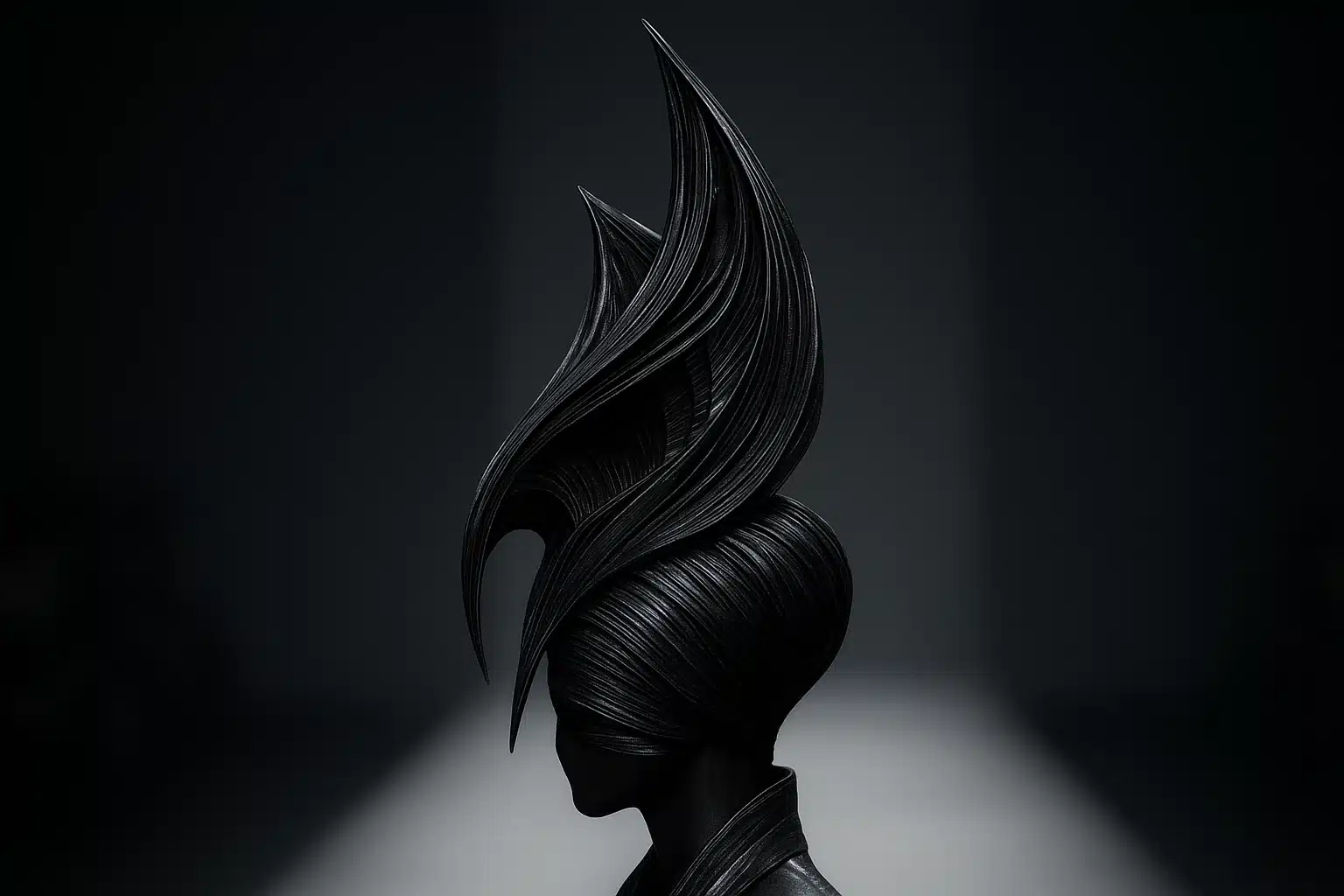
Imagine sitting front row at a high-fashion runway show. The lights dim, the bass of the music swells, and the first model steps onto the catwalk. While the garments are breathtaking, it’s the towering, gravity-defying structure resting on the model’s head that draws an audible gasp from the crowd. In the world of avant-garde fashion, hair is no longer just a finishing touch or a simple accessory—it has become a primary structural element of the silhouette itself.
This transformation of the headpiece didn’t happen overnight. To truly appreciate how we got from everyday hair enhancements to these sculptural masterpieces, exploring Wigs in Modern Fashion: Navigating Trends from Subculture to Superstardom provides the essential foundation for how these pieces moved from secret stylist tools to the forefront of the industry. Today, we’re pulling back the curtain on the artistic intentions, wild materials, and literal physics that go into high-fashion runway wigs.
From Historical Pomp to Modern Punk
If we look back at the origins of wearable hair art, institutions like The Metropolitan Museum of Art (The Met) help us understand the rich historical lineage of “hair as cloth.” We can trace the theatricality of runway wigs all the way back to the status-driven periwigs of King Louis XIV, where the height and volume of a headpiece directly equaled a person’s power and wealth in society.
Fast forward to the modern runway, and designers have taken that historical pomp and injected it with rebellious, avant-garde energy. In these high-fashion spaces, wigs aren’t meant to mimic a natural Tuesday morning blowout. They are meant to tell a story. A beautifully crafted wig can instantly transform a model from a walking mannequin into a mythical creature, a futuristic android, or an imposing aristocrat.
Hair as Architecture: The Engineering of Illusion
When you look at a three-foot-tall, twisting headpiece floating down the runway, you might naturally wonder: How on earth does that stay on? To answer that, we need to shift our mindset away from traditional hairdressing and start thinking about architectural engineering.
High-fashion runway wigs are rarely just hair sewn onto a standard cap. They are meticulously built structures designed to withstand the physical motion of a walking model without snapping her neck or sliding off under the hot runway lights.
Internal Structures: The Unseen Foundation
Underneath the sweeping waves of fiber, you’ll almost always find a hidden skeleton. Avant-garde stylists frequently use materials that most people associate with hardware stores rather than salons. Wire mesh, hand-carved foam cores, and thermoplastics are carefully molded to perfectly match the model’s head shape. This creates a lightweight but incredibly rigid base that can support massive volume and external materials.
The “Hair Sheet” Technique
Have you ever seen an editorial wig that looks like a solid piece of sweeping glass or a rigid architectural fin? This striking illusion is often achieved through the “hair sheet” technique. By saturating synthetic fibers with heavy-duty lacquers and pressing them flat, stylists create rigid, bendable surfaces out of hair. These sheets can then be cut, folded, and shaped exactly like fabric or origami, completely blurring the line between millinery (hat-making) and hairdressing.
Mastery in Motion: Case Studies in Transformation
To really understand the power of these pieces, let’s look at two brilliant designers who have completely pushed the boundaries of what a wig can be.
Alexander McQueen and the Folklore of HairMcQueen was a master of using organic, sometimes aggressive textures to evoke deep emotion. In his iconic shows like The Widows of Culloden, wigs weren’t just “big”; they were intricate nests woven with bird-like textures, twigs, and rough fibers. He used the wig to build the narrative of a wild, untamed romanticism, proving that hair could convey raw, emotional history.
Iris van Herpen and the 3D-Printed FutureOn the opposite end of the spectrum is Iris van Herpen. Known for blending cutting-edge technology with haute couture, she has integrated traditional hair with 3D-printed resin structures to create “liquid” hair effects. Her futuristic wigs look like water frozen in time, showing how modern engineering can make the impossible a wearable reality.
The Stylist’s Physics Kit: Foundation, Balance, and Weight
According to technical styling authorities like Bangstyle, the real magic of avant-garde hair isn’t just in the aesthetics—it’s in the balance. Creating a masterpiece that is visually stunning but structurally unsound is a rookie mistake. Here is the framework professional stylists use to keep the magic alive:
- Center of Gravity: A towering wig must be perfectly aligned with the model’s spine. If the structure leans even an inch too far forward or backward, the leverage will cause it to slowly slide off, creating a dreaded “plopped” look halfway down the runway.
- Material Selection Science: This is where understanding hair types is crucial. While human hair is prized for its gorgeous natural movement and realism, it is remarkably heavy in large quantities. For structural, gravity-defying avant-garde pieces, stylists frequently pivot to synthetic fibers. Synthetic hair is significantly lighter, holds its shape infinitely better when shellacked or molded, and can be easily manipulated into unnatural, rigid forms.
- Weight Distribution: Every ounce matters. Using hollow foam cores allows the stylist to create massive visual bulk without adding literal pounds to the model’s delicate neck.
Frequently Asked Questions (FAQ)
What exactly is “avant-garde” hair?
Avant-garde hair is an experimental, highly artistic approach to hairstyling where hair is treated as a medium for sculpture rather than a standard beauty feature. It intentionally defies traditional aesthetics, natural styling, and gravity to make a bold artistic statement.
Why do stylists use synthetic hair over human hair for avant-garde pieces?
While human hair is the gold standard for beautiful, everyday wear because of its natural movement, synthetic hair is often the preferred choice for massive runway structures. It is much lighter, holds rigid, lacquered shapes beautifully, and can be manipulated into smooth “hair sheets” far more effectively than human hair.
How heavy are those massive runway wigs?
Despite their intimidating size, they are surprisingly light! By utilizing brilliant engineering tricks like hollow foam cores and lightweight wire, stylists keep the overall weight to a minimum—usually just a couple of pounds—to protect the model’s neck and ensure a smooth, confident walk.
Can anyone wear an avant-garde wig?
While these towering structures are primarily designed for high-fashion photoshoots and short runway walks, the engineering behind them is highly relevant to everyone. The techniques used to secure these massive pieces safely—like custom cap construction, secure grips, and proper weight distribution—directly influence the comfortable, secure designs of the high-quality everyday wigs you wear.
Next Steps in Your Hair Journey
The next time you see a high-fashion editorial shoot or watch a runway show, look closely at the hair. You’re not just looking at a wig; you’re looking at a carefully engineered piece of wearable architecture. It’s a beautiful, striking reminder of how incredibly creative and transformative hair can be.
While you might not need a three-foot-tall wire-mesh headpiece for your Tuesday morning errands, understanding the incredible construction behind these runway pieces gives you a much deeper appreciation for the fine art of wig making. Whether it’s an avant-garde masterpiece making waves in Paris or a beautifully crafted, natural-looking piece you put on to feel like your best self, the ultimate goal is always the same: transformation, expression, and absolute confidence.
Ready to learn more about the fascinating world behind the hair? Dive deeper into our resources on wig construction types, cap designs, and styling techniques to discover how these high-fashion innovations translate into the comfortable, gorgeous styles available for your everyday life.






