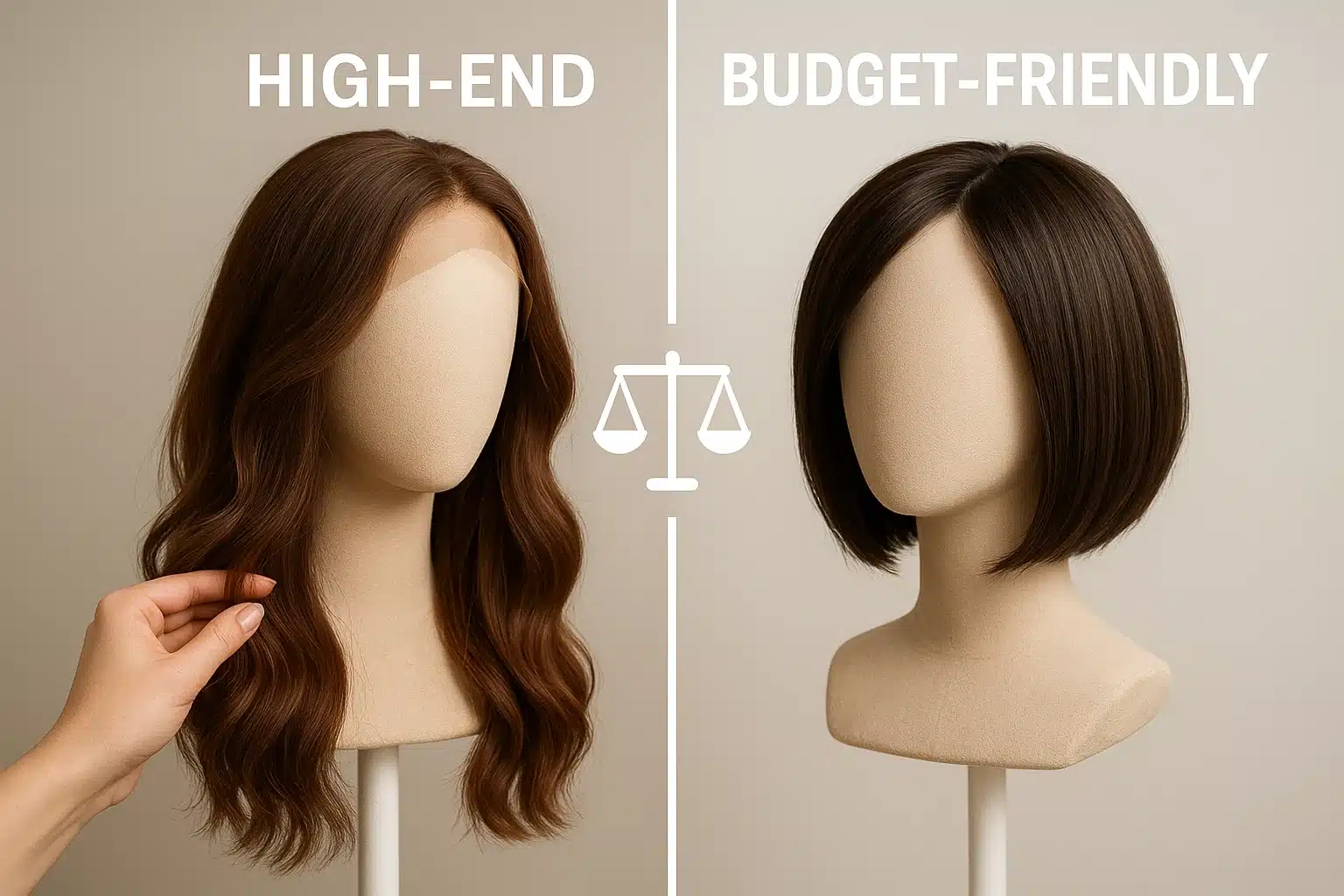
Stepping into a Memphis wig store for the first time can be an incredibly overwhelming experience. You are immediately met with towering walls of styrofoam mannequins, brightly colored packaging, and a dizzying array of marketing terms like “10A Grade” and “100% Human Hair.” If you’re standing in an aisle trying to figure out why two wigs that look nearly identical carry price tags of $89 and $850, you are not alone.
Whether you are looking for a temporary protective style to beat the Mid-South humidity or seeking a long-term solution for medical hair loss, the key to a successful purchase lies in understanding the mechanics of hair retail. Ultimately, finding the right fit among the best wig stores in Memphis TN requires looking past the shiny packaging and learning how to evaluate cap engineering, hair processing, and store business models.
Let’s pull back the curtain on the wig industry so you can shop with the confidence of an insider.
The “100% Human Hair” Reality Check
One of the most common “aha moments” for new wig wearers is discovering that the label “100% Human Hair” is simply an empty baseline. It tells you what the material is, but absolutely nothing about its quality.
In the budget-friendly tier, much of this hair is what the industry calls “fallen hair”—often collected from salon floors. To make this hair usable, factories strip it in harsh acid baths and coat it in synthetic silicones. It looks incredibly silky in the store, but after three shampoos, that silicone washes away, leaving behind a brittle, tangled mess. If you’ve ever wondered about the origins of these budget pieces, researching ethically sourced wigs can shed light on the stark contrast between mass-produced floor hair and carefully gathered premium hair.
The Pinecone Effect: Cuticle Alignment Explained
To understand why luxury human hair behaves differently, we have to look at the hair cuticle. Imagine a single strand of hair as a pinecone, covered in tiny, overlapping scales.
When you buy a premium “Virgin Remy” wig, all those microscopic scales are pointing in the exact same direction—from root to tip. The strands glide effortlessly past each other. In contrast, budget non-Remy hair features cuticles pointing in opposing directions. When those strands rub together throughout the day, the scales lock together like inverted pinecones, causing severe friction, knots, and matting at the nape of your neck.
Debunking the Grading Myth
As you browse beauty supply stores along American Way or Winchester, you’ll inevitably see stickers boasting “10A,” “12A,” or even “14A” grade hair. Here is the industry secret: these grades are completely unregulated marketing terms created by overseas factories. There is no central governing body testing a “10A” wig. Relying on these numbers often leads to disappointment, which is why physical inspection is so crucial.
Cap Engineering and the Memphis Climate Challenge
Memphis summers are notoriously hot and humid. When shopping locally, the hair fiber is only half the equation—the architecture of the wig cap will dictate your daily comfort.
Machine-Wefted Open Caps (Budget-Friendly): Found heavily in commercial beauty supply stores, these caps are made by sewing tracks of hair together. While the open spaces between tracks offer some ventilation, the heavy lace fronts and bulkier construction can trap sweat against your scalp, leading to itching and adhesive breakdown. Sometimes, opting for the best synthetic wigs for beginners with an advanced open-wefted cap can actually be lighter and more comfortable than a cheap human hair unit.
Hand-Tied Monofilament & Silk Tops (High-End): Luxury clinics often recommend full hand-tied caps. In these units, individual hairs are painstakingly tied to a soft, stretchy micro-mesh by hand. This eliminates bulky tracks, distributes weight evenly, and allows maximum airflow to the scalp. Over time, a hand-tied cap actually warms up and molds to the unique shape of your head.
Navigating the Memphis Retail Landscape: Two Distinct Worlds
Memphis shoppers generally have two distinctly different retail avenues to choose from, each serving a valid but different purpose.
1. The Commercial Volume Hubs
Found heavily in high-traffic corridors near Raleigh, Wolfchase, and South Memphis, these stores are designed for everyday fashion, trend experimentation, and quick protective styles.
- Price Tier: $30 – $250
- The Experience: High inventory, self-service, grab-and-go.
- The Catch: These stores strictly enforce “no try-on” policies for sanitary reasons. You are buying based purely on visual estimation. If you’re experimenting with color or need a unit for a weekend event, this is your destination. Before investing in a wardrobe of daily wear units here, you might want to learn how to budget for wigs primary and backup options effectively.
2. Specialized Restoration Boutiques
Located frequently in East Memphis, Germantown, and specialized salon suites, these bespoke clinics cater to long-term wearers, sensitive scalps, and individuals needing medical wigs (cranial prosthetics).
- Price Tier: $600 – $3,000+
- The Experience: Private consultation suites, licensed cosmetologists, and custom fittings.
- The Benefit: You can try on units, have the lace custom-cut to your hairline, and receive personalized shaping. These stores curate top-tier Remy hair designed to last for years.
The Cost-Per-Wear Decision Matrix
Is a luxury wig actually more expensive? Let’s break down the “Cost-Per-Wear” math.
Option A: The Budget Beauty Supply Unit
- Purchase Price: $120
- Customization & Specialty Products: $70
- Lifespan with daily wear: 60 days
- Cost: $3.16 per day
Option B: The Luxury Hand-Tied Virgin Remy Boutique Wig
- Purchase Price: $900
- Custom Salon Fitting/Shaping: $100
- Lifespan with daily wear: 540 days (18 months)
- Cost: $1.85 per day
The aha moment for many buyers is realizing that constantly replacing fast-fashion wigs often results in higher annualized spending than investing in a single premium unit. However, if your goal is to change your hair color every two weeks, high-end synthetic wigs or budget human hair units remain the smartest financial choice.
The In-Store Field Audit: Your “Check Before You Swipe” Protocol
When you visit a Memphis store that doesn’t allow try-ons, you need practical ways to audit the hair’s authenticity. Use this 3-step physical inspection:
- The Natural Light Window Check: Ask to hold the wig near a window. Healthy human hair has a soft, natural luster. If the hair aggressively reflects light and looks unnaturally shiny, it is heavily coated in silicone that will wash out.
- The Nape Friction Scrunch: Take a handful of hair near the nape of the neck (where tangling happens most) and gently scrunch it in your fist. Premium hair feels like liquid and falls right back into place. Stiff, crunchy, or blunt ends indicate over-processed hair.
- The Cap Stretch & Return Check: Gently stretch the elastic bands at the base of the cap. They should have a firm, bouncy return. If the band feels loose or crunches when stretched, it will quickly lose its shape, leading to tension headaches.
Frequently Asked Questions (FAQ)
Why do affordable human hair wigs tangle at the nape so fast?
The nape of the neck is a high-friction area. If the wig is made with non-Remy hair (where the cuticles are mismatched), the friction of your collar rubbing against the hair causes the cuticles to lock together, resulting in severe matting within just a few weeks of wear. Proper wig care can slow this down, but it cannot reverse the cuticle damage.
Can I try on wigs at a local beauty supply store?
In Memphis, most commercial volume beauty supply stores strictly prohibit trying on wigs for health and sanitation reasons. If being able to feel the cap on your head and test the hairline against your skin is important to you, you will need to book an appointment at a specialized boutique or restoration clinic.
What is the practical difference between a fashion unit and a cranial prosthesis?
A fashion unit is designed for temporary aesthetic enhancement, usually utilizing heavy machine-wefted tracks and standard lace that can irritate bare scalps. A cranial prosthesis is a medical-grade unit designed specifically for total hair loss. They feature ultra-soft, breathable materials like silk tops and silicone grip tabs to secure the wig without adhesives, making them safe for sensitive skin.
Next Steps in Your Journey
Navigating the world of wigs doesn’t have to be intimidating once you know the language. Whether you decide to browse the bustling aisles of a volume beauty supply for a fun weekend look or sit down for a private consultation in a luxury boutique, you now have the tools to evaluate what you’re buying. Take your time, prioritize your scalp’s comfort, and remember that the best wig is the one that makes you feel most like yourself.