Have you ever scrolled through your social media feed and marveled at how your favorite celebrity effortlessly transformed from a platinum blonde pixie to waist-length brunette waves overnight? We’ve all had that moment of hair envy, wondering if there’s some secret hollywood hair-growth vitamin we don’t know about. The truth, however, is much more fascinating: it’s the artistry of professional wig-making. Today, the secret is officially out, and what used to be a taboo subject spoken about behind closed doors has become a celebrated form of self-expression.
The journey of alternative hair from a hidden necessity to a celebrated fashion statement is nothing short of revolutionary. If you want to understand how these bold styles made their way from the red carpet to the real world, our deep dive into wigs in modern fashion: navigating trends from subculture to superstardom breaks down this fascinating cultural timeline. But to truly appreciate this shift, we have to look at the iconic celebrity transformations that normalized the conversation, turning alternative hair into an empowering accessory that anyone can use to reinvent themselves.
The Cultural Shift: From Secret to Statement
For decades, wigs were considered a medical secret or a utility for theater and film. Today, they are a driving force behind a $10 billion global market. But what sparked this massive shift?
The answer lies in visibility. As video platforms like TikTok and YouTube exploded, creators and celebrity stylists began lifting the curtain. Videos “unmasking” the reality of celebrity hair—showing that the flawless volume we see on screen is rarely homegrown—provided a massive “aha” moment for the public. Suddenly, people realized they didn’t have to win the genetic lottery to have incredible hair.
This transparency also sparked the great “wig or bad” debate. For years, people worried that wearing a wig meant sacrificing the health of their natural hair due to harsh glues or friction. But as education spread, consumers learned that when worn correctly, wigs actually serve as protective styles, shielding natural hair from daily heat damage and environmental stress.
The Celebrity Blueprint: Looks That Changed Everything
When a celebrity steps out in a bold new look, the ripple effect on pop culture and retail trends is immediate. Let’s look at a few distinct movements that changed how we view hair.
The 90s Nostalgia Revival
Everything cyclical eventually comes back into fashion, and the recent obsession with the classic 90s supermodel blowout is proof. When pop culture icons began channeling Pamela Anderson’s iconic messy updos, the demand for a bouncy 90s hair wig skyrocketed. People wanted that specific, camera-ready volume without spending two hours with hot rollers every morning.
The Bold Color Movement
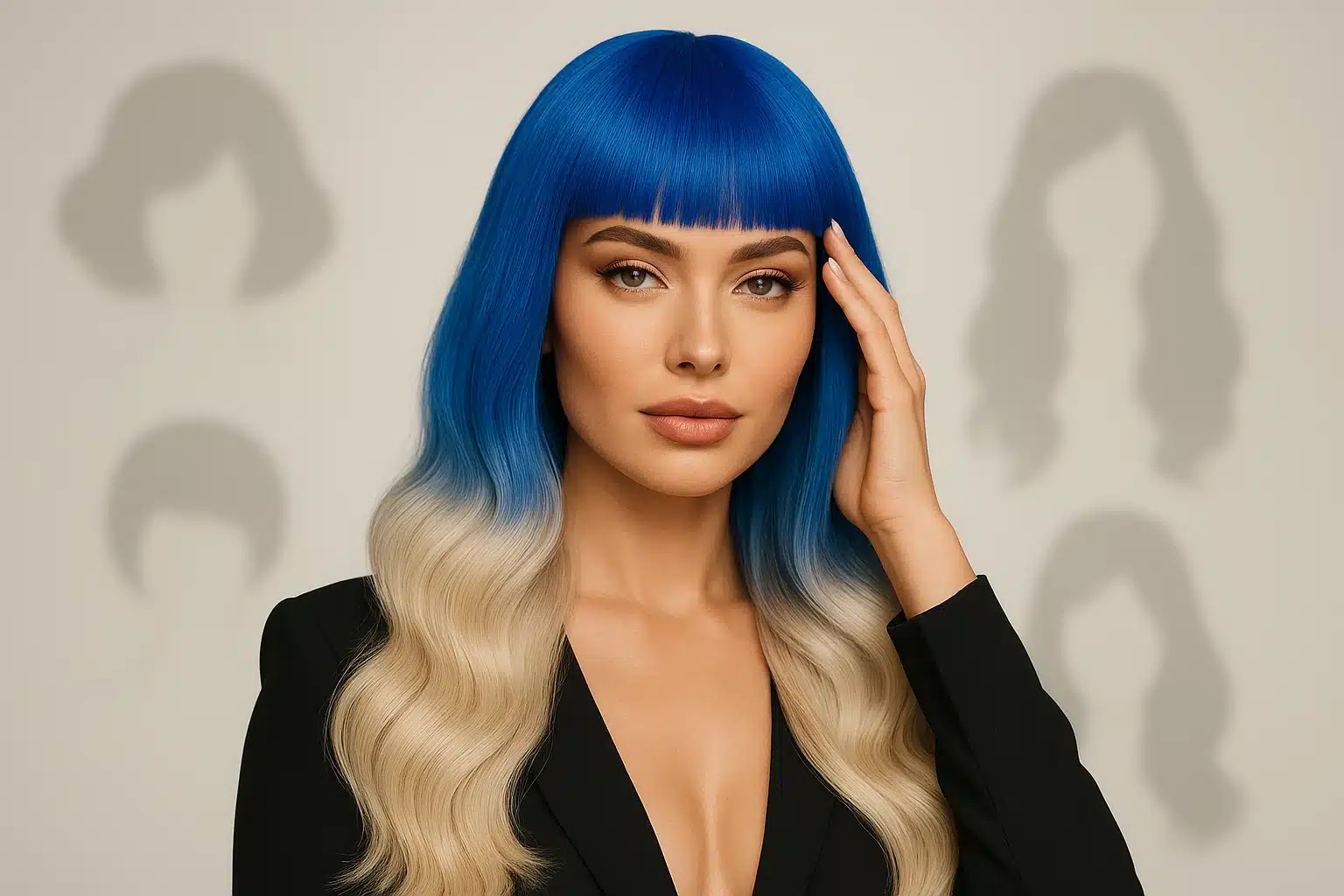
When Kylie Jenner began rotating through pastel pinks, icy blues, and vivid greens, she effectively introduced lace fronts to Gen Z. Shortly after, Billie Eilish’s iconic neon green roots took the world by storm. Suddenly, a neon green long wig wasn’t just for Halloween or cosplay—it was high fashion. This normalized wearing synthetic, heat-resistant colored pieces to protect natural hair from the severe damage of heavy bleaching.
The Power Bob
When artists like Cardi B step onto a red carpet sporting a perfectly sharp, asymmetrical bob, the industry feels it instantly. In fact, a single high-profile appearance in a sleek, blunt cut bob wig human hair can create a 300% spike in retail searches overnight. It proves that wigs aren’t just for adding length; they are for achieving architectural, razor-sharp precision that might be too risky or difficult to maintain on natural hair.
The Technical Anatomy: Why Celebrity Wigs Look So Real
The number one question beginners ask is: “How do they look so real?” The difference between a costume piece and a celebrity-quality unit comes down to construction and mechanical realism.
Lace Density vs. Hair Length
Many beginners think the key to a gorgeous wig is length. In reality, the secret to natural-looking hair is density, particularly at the hairline. If a wig is too thick at the root, it looks bulky and unnatural. Celebrity stylists painstakingly pluck the hairlines of a front hair wig so the density mimics the natural, gradual thinning of a real human hairline.
The Illusion of the Scalp
Behind the scenes, celebrity stylists like Cynthia Alvarez often use a “spandex dome cap” method. By placing a nude-colored cap over the wearer’s natural hair and securing the wig on top, the lace blends seamlessly with the skin tone underneath, creating the illusion that the hair is growing directly from the scalp.
Demystifying Short Styles
Short hair can be notoriously difficult to replicate in wig form because there is less hair to hide the cap construction. This is why investing in a high-quality pixie cut wig human hair is essential for a realistic crop. You may have heard of terms like the “luna short cut” floating around style forums—this is often a mythicized, niche term for a highly texturized, tapered pixie. The secret to making these short cuts look real is an ultra-fine, hand-tied cap that allows the short hairs to move naturally.
The Realism Workshop: Bringing Red Carpet Secrets Home
You don’t need a professional glam squad to achieve a flawless look. By adopting a few industry tricks, you can elevate your own wig-wearing experience.
The Lustre Scale
One dead giveaway of an inexpensive wig is unnatural, plastic-like shine. Natural human hair has a soft glow, not a high-beam reflection. When shopping, keep the “lustre scale” in mind. If you buy a synthetic wig that is too shiny, you can lightly dust it with translucent powder or use a specialized dry shampoo to bring the shine down to a natural, healthy glow.
The Shake Test
Security is the cornerstone of confidence. Before leaving the house, professional stylists perform the “shake test.” If you vigorously shake your head and the wig shifts, it’s not secure enough. Modern advancements have given us incredible glueless options featuring adjustable straps and velvet ear tabs, meaning you don’t need messy adhesives to pass the shake test.
Routine Maintenance
A flawless look requires proper care. If you prefer low-maintenance elegance, medium length straight wigs are incredibly manageable and less prone to tangling than waist-length waves. Set up a maintenance calendar: wash your pieces every 6-8 wears, use specialized sulfate-free products, and always store them on a proper wig stand to maintain their shape.
Comprehensive FAQ for Beginners
Is wearing a wig bad for my natural hair?
Not at all! When applied and removed properly, wigs are fantastic protective styles. They give your natural hair a break from daily heat styling, coloring, and environmental damage. The key is ensuring your natural hair is clean, braided or wrapped flat, and moisturized underneath.
What’s the difference between a lace front and a glueless wig?
A lace front wig features a sheer lace panel at the front hairline where hairs are individually hand-tied, creating a remarkably natural look. While some lace fronts require adhesive to lay flat, modern “glueless” wigs feature adjustable tension straps, combs, and specialized grips that allow you to wear a lace front completely securely without any glue.
How do I figure out what the best hair wigs for women are?
The “best” wig depends entirely on your lifestyle! If you love changing your hair color daily and want something affordable, high-quality synthetic wigs are perfect. If you want a piece you can heat-style, dye, and treat exactly like your own hair for years, human hair is the way to go. Consider your face shape, your budget, and how much time you want to spend on maintenance.
Can I get a celebrity look with synthetic hair?
Absolutely. The technology behind heat-friendly synthetic fibers has advanced remarkably. In fact, many of the wildly colored, architectural styles you see on social media are synthetic because the fibers hold their shape and style much better than human hair under hot studio lights.
Continuing Your Journey
Understanding the mechanics and history behind iconic celebrity transformations completely shifts how we view alternative hair. It’s no longer just about covering up; it’s about stepping into whatever version of yourself you want to be today.
At Wig Superstore, with nearly two decades of experience, we believe that education is the ultimate tool for empowerment. Knowing how to decipher lace types, understanding the importance of density, and mastering the shake test are the first steps toward wearing alternative hair with absolute confidence.
If you’re ready to explore what styles might work for your own personal transformation, take your time browsing, learning, and discovering. Your perfect “aha” moment is waiting.