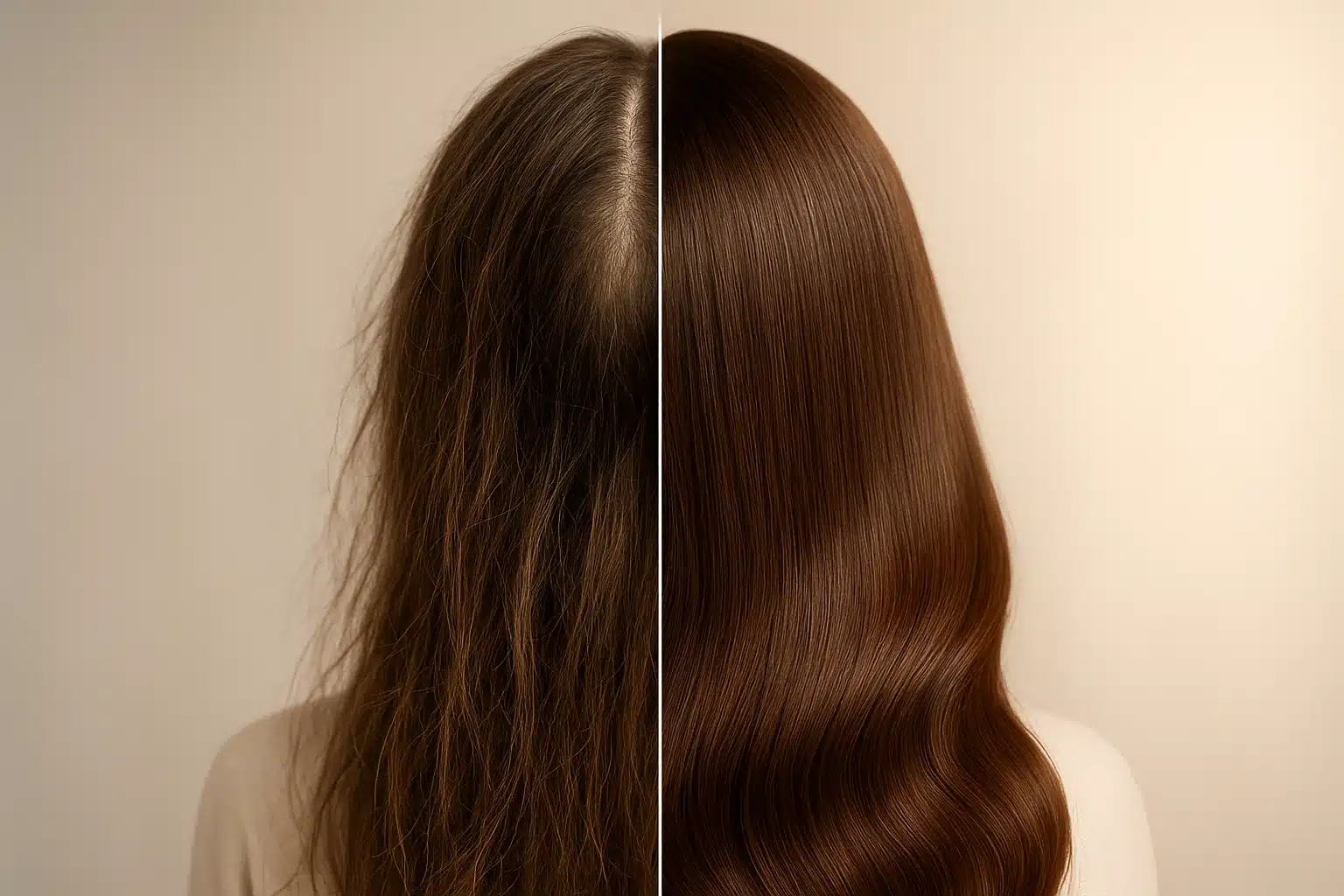
Living in San Diego comes with undeniable perks. From hiking the sun-drenched trails of Torrey Pines to catching the ocean breeze along La Jolla cove, the Southern California lifestyle is vibrant and active. But while this beautiful environment does wonders for the soul, it acts as an invisible stress test on your most prized accessory: your wig. Constant exposure to UV rays and coastal salt air can rapidly degrade both premium human hair and synthetic fibers, leaving your once-flawless unit looking dry, tangled, or painfully thin.
If your favorite wig is beginning to show these signs of wear, your first instinct might be to assume it has reached the end of its lifespan. Before you start evaluating the best wig stores in San Diego, CA, with a complete buyer’s guide to finding a brand new replacement, there’s an insider secret you need to know: shedding and fraying don’t necessarily mean your wig is dead. By understanding the art and science of professional wig repair and rejuvenation, you can dramatically extend the life of your investment.
Let’s demystify the technical world of wig restoration and explore how to keep your hair looking pristine through every San Diego season.
The San Diego Stress Test: Why Our Climate Challenges Your Wig
You might not realize it, but the local weather is your wig’s biggest adversary. High-quality human hair wigs lack the natural scalp oils that biological hair uses to protect itself. When you step out into the San Diego sunshine, two silent environmental factors go to work:
- UV Degradation: Constant sun exposure acts as an oxidative stressor. Just like the sun fades the paint on a car, UV rays strip the protective lipid layer from human hair wigs. This causes the hair cuticles to lift and rub against one another—a process known as “cuticle friction”—which leads to severe tangling and a dull, lifeless appearance.
- Salt-Air Oxidation: You don’t have to go swimming at Mission Beach for the ocean to affect your hair. The ambient coastal humidity carries microscopic salt particles that cling to wig fibers, pulling out moisture and leaving the hair feeling crunchy and brittle.
When you understand these environmental triggers, professional rejuvenation stops sounding like a luxury and becomes a practical necessity for local wig wearers.
Anatomy of a “Dying” Wig (And Why It’s Actually Fixable)
Many beginners panic when they see the first signs of damage. It’s an incredibly common, yet stressful, experience to watch a $2,000 premium investment start to lose its luster. Here is how to spot the damage before it becomes irreparable—and why there is still hope.
- The Thinning Hairline: Shedding is the most common reason people throw wigs away. You might notice bald patches near the parting or the lace front.
- Cap and Lace Tears: Sometimes a stray fingernail or an improperly placed styling T-pin creates tiny holes in the delicate lace foundation. Left untreated, these holes expand into what professionals call “lace-front rot.”
- Silk Top Separation: If you wear a silk-top wig, you might notice the layers of the cap starting to pull apart, creating an unnatural look at the scalp.
Here is your “aha” moment: nearly all of these structural issues are completely reversible in the hands of a skilled professional.
The 3 Pillars of Professional Rejuvenation
While some local salons focus primarily on selling you a new unit, true wig longevity relies on three specific restorative techniques.
1. Re-ventilation: The Art of Restoring Density
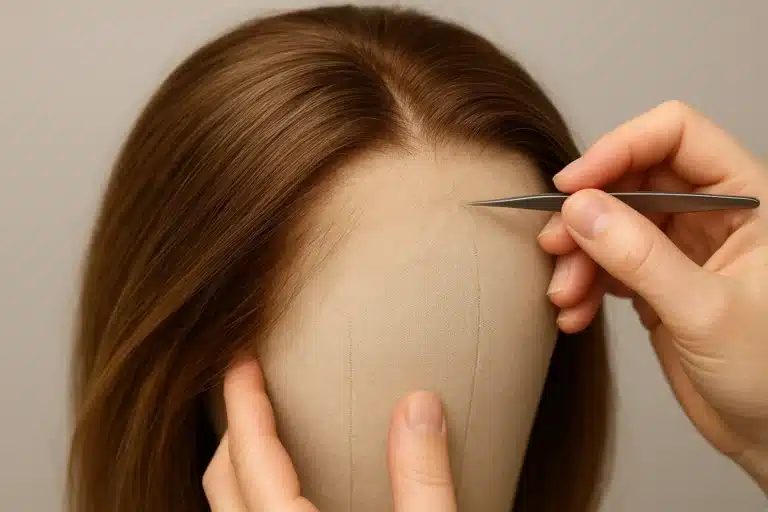
When a wig sheds, the foundation itself is usually still perfectly intact. “Ventilation” is the technical term for the painstaking process of hand-tying individual strands of hair into a lace cap. During a re-ventilation service, a specialist will meticulously knot fresh human hair into your wig’s bald spots, matching the original color, density, and hairline. It’s like repopulating a forest—suddenly, your wig is full and vibrant again.
2. Lace & Cap Repair: Saving Your Foundation
A small hole from a T-pin doesn’t have to spell disaster. Repair specialists can seamlessly stitch torn lace, reconstruct hairlines that have been accidentally cut too short, and mend silk top separations. Understanding “cap integrity” is crucial; repairing a micro-tear immediately prevents the entire unit from unraveling.
3. Fiber Technology: Deep Conditioning and pH Balancing
To combat San Diego’s salt air, professional rejuvenation involves an intense “Salt-Air Detox.” This isn’t your standard drugstore conditioner. Specialists use industrial deep-steaming and pH-balancing treatments that force moisture back into the hair shaft, artificially restoring the lipid layer and smoothing down the cuticles to eliminate friction and tangling.
The Math of Repair: Is Professional Rejuvenation Worth It?
Let’s look at the numbers. A premium human hair wig can easily cost upwards of $2,000. When that wig starts looking exhausted after a year of daily wear, buying a new one is a massive financial commitment.
Professional repair services—depending on whether you need a simple deep-steam rejuvenation or extensive re-ventilation—typically range between $150 and $400.
By investing $300 into a comprehensive repair and deep-conditioning service, you can easily extend the lifespan of your high-end wig by an additional 6 to 12 months. That is a staggering return on investment compared to starting over from scratch.
DIY vs. Professional Restoration: Knowing the Limits
There is a big difference between routine maintenance and structural repair.
For everyday care, gentle, sulfate-free wig shampoos and regular brushing are your best friends. However, the internet is full of “DIY wig hacks” that can permanently destroy a premium cap. For example, some blogs recommend using Dawn dish soap to degrease a wig. While this might be a desperate emergency tactic for a severely matted synthetic costume piece, using harsh dish detergents on a premium human hair wig will brutally strip its remaining moisture, accelerating oxidative stress.
When to call a pro:
- You see visible holes or tears in the lace.
- The hair is shedding in clumps.
- Deep conditioning at home no longer softens the “crunchy” ends.
- You need to change the size of a stretched-out cap.
Your San Diego Seasonal Maintenance Schedule
To maximize your wig’s lifespan, adopt a proactive maintenance routine tailored to our climate:
- Weekly: Use a UV-protectant spray before heading out into the Southern California sun.
- Bi-Weekly: Gently wash your wig using lukewarm water and professional-grade wig hydration products.
- Quarterly (Every 3 Months): Perform a thorough inspection of the lace for micro-tears and check the density at the part line.
- Bi-Annually (Every 6 Months): Book a professional “Fiber Tech” deep-steaming and pH-balancing service to undo the damage of coastal humidity and UV exposure.
Frequently Asked Questions (FAQ)
Can my lace be fixed if I cut the hairline too short?
Yes! A skilled professional can add a new strip of lace to the front of your wig and re-ventilate hair into it, completely reconstructing a natural-looking hairline.
Why is my wig shedding so much?
Shedding is entirely normal and happens due to brushing, styling, and the natural loosening of the tiny knots tied to the lace over time. Using heavy conditioners directly on the roots can also cause the knots to slip. This is exactly what re-ventilation services are designed to fix.
How does San Diego humidity affect synthetic vs. human hair?
Human hair absorbs moisture from the air, meaning coastal humidity can cause it to frizz and lose its style. Synthetic hair is practically weatherproof and won’t frizz in humidity, but it is highly susceptible to friction damage from salt air, which can cause the synthetic fibers to fray and tangle at the nape of the neck.
How much does professional cleaning and repair cost locally?
While prices vary across San Diego service providers, a professional spa cleaning and deep condition generally starts around $50 to $80. Advanced repairs, such as re-ventilation and lace reconstruction, usually range from $150 to $400, depending on the severity of the damage.
Continuing Your Hair Journey
Understanding the mechanics behind wig repair empowers you to protect your investment and wear your hair with absolute confidence. You don’t have to navigate the emotional and financial aspects of hair loss alone—and you certainly don’t have to throw away a beloved wig at the first sign of wear.
By prioritizing proactive maintenance and leaning on professional rejuvenation when the San Diego elements take their toll, your hairpieces can remain as vibrant and beautiful as the day you first unboxed them. Stay curious, treat your wigs with compassionate care, and remember that with the right expertise, almost anything can be beautifully restored.