Imagine stepping out into a quintessential Nashville July afternoon. The humidity wraps around you the moment you leave the air conditioning. If you’re navigating hair loss, this isn’t just a minor weather inconvenience—it’s a genuine concern about comfort, security, and how natural your hair looks. For many, the journey begins by casually browsing a local nashville wig store to see what’s available off the shelf. But as you learn more about your unique needs, you might realize that standard, factory-made pieces don’t quite align with your personal hairline, scalp sensitivity, or lifestyle.
That’s where the world of custom wig making comes in. Commissioning a bespoke hairpiece is a transformative experience, shifting the narrative from “making do” with what’s available to designing exactly what you deserve. Whether you need a durable piece to withstand the bright lights of a Broadway stage, or a breathable, medical-grade solution to support you through chemotherapy or alopecia, understanding how custom wigs are made in Nashville is your first step toward true hair confidence.
Why “Off-the-Rack” Doesn’t Always Cut It
Standard wigs are manufactured using average head measurements. But just like our fingerprints, our head shapes, natural hairlines, and hair growth patterns are entirely unique. When an off-the-rack wig doesn’t fit perfectly, it can slip, cause tension headaches, or look unnatural at the hairline.
In a climate like Middle Tennessee, where humidity levels can wreak havoc on synthetic fibers and poorly constructed bases, having a custom-fitted piece is a game-changer. A bespoke wig is tailored to the exact topography of your scalp. It sits flush against your skin, eliminating the bulk and gaps that often give a wig away, allowing you to focus on living your life rather than adjusting your hair.
The Anatomy of a Custom Wig: A Beginner’s Lesson
If you’re going to invest in a custom piece, it helps to know what’s happening under the hair. The base of the wig is where the true artisanship shines.
When discussing wig cap construction with a maker, you’ll encounter a few key terms:
- The Foundation: This is the mold created specifically for your head. Custom makers will often wrap your head to create a precise 3D replica of your scalp.
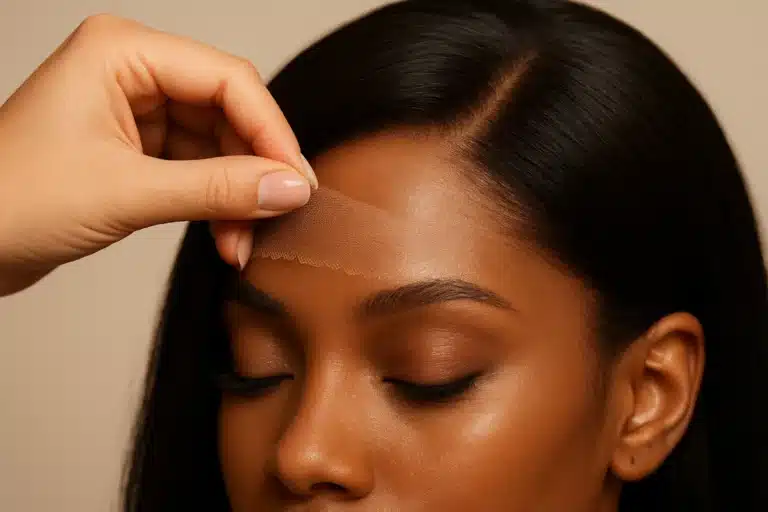
- Lace Fronts vs. Silk Tops: A lace front provides a virtually invisible hairline, allowing you to pull the hair back away from your face naturally. A silk top mimics the look of a natural scalp at the crown, hiding the knots entirely so it looks like hair is growing directly from your skin.
- Ventilation: This is the painstaking art of hand-knotting individual strands of hair onto the lace base. A highly skilled ventilator will use single-hair knots around the delicate hairline to mimic natural, fine baby hairs, gradually increasing density toward the back.
Decoding the Hair: Remy vs. Virgin
The phrase “100% Human Hair” isn’t the end of the story. If you want a custom wig that lasts for years, you need to understand hair sourcing.
- Standard Human Hair: Often chemically treated and stripped of its cuticles to prevent tangling during mass manufacturing. It looks great initially but can degrade quickly.
- Remy Hair: The cuticles are kept intact and aligned in the same direction (from root to tip). This allows the hair to fall naturally and resist tangling, making it a fantastic, high-quality option.
- Virgin Hair: The gold standard for custom pieces. This is hair that has never been chemically processed, dyed, or altered. It reacts to humidity, styling tools, and color exactly like your own natural hair would.
The Nashville Maker Map: Who’s Who in Local Artistry
Nashville’s unique blend of the entertainment industry and world-class medical facilities has created a diverse landscape of local artisans. While you are researching, you’ll likely encounter a few different types of custom providers:
- The Theatrical and High-End Bespoke Makers: Professionals like Christopher Does Hair dominate the high-end niche. With backgrounds in film and theatre, these artisans focus heavily on discretion, ultimate realism, and one-on-one boutique service. They are perfect if you want a true, Hollywood-level creation.
- The Hybrid Boutiques: Locations like The Carissa Collection (TCC Hair) blend ready-to-ship units with deep customization options. They are incredibly accessible and rely on heavy social proof to help you feel confident in your choice.
- The Medical Specialists: Shops such as Pretty in Pink Boutique lead the medical niche. They focus on the emotional journey of hair loss, prioritizing scalp sensitivity and helping clients navigate the complex world of insurance.
What to Expect at Your First Consultation
Stepping into a boutique or studio when buying a wig for the first time can feel intimidating, but knowing the process removes the anxiety. A true custom wig usually takes anywhere from 4 to 6 weeks to create.
- The Measurement and Mold: Your artisan will take exact measurements of your circumference, front-to-nape, ear-to-ear, and temple-to-temple.
- Choosing the Specs: You’ll select the hair origin, density (how thick the hair is), length, and color.
- The Fitting: Once the piece is constructed, you’ll have a fitting where the artisan will trim the lace and cut the hair into your desired style while it is actually on your head.
- Placement Education: They will teach you the “4-Finger Rule”—a foolproof beginner trick where you place four fingers horizontally above your eyebrows. Your wig’s hairline should typically sit right above your top finger.
Protecting Your Investment: Maintenance in the South
A bespoke human hair wig is an investment, and treating it as such is vital. Because human hair wigs don’t receive natural oils from your scalp, they require specialized hydration.
Nashville’s humidity requires a proactive approach to wig maintenance. You’ll need to master “de-humidifying” your hairpiece, which involves using anti-humectant sprays and proper storage on a canvas block head to maintain the cap’s shape. Establishing a regular washing and deep-conditioning calendar will ensure your custom piece retains its bounce and luster for years.
Frequently Asked Questions (FAQ)
What is the difference between a “custom” and a “customized” wig?
A custom wig is built from scratch specifically for your head using a customized mold, specific ventilation patterns, and hand-selected hair. A customized wig is a pre-manufactured, off-the-rack wig that a stylist then cuts, colors, or alters to better suit you.
Can I get medical insurance to cover a custom wig in Tennessee?
Yes, in many cases! The key is terminology. Insurance companies do not cover “wigs” as they view them as cosmetic. However, many policies will cover all or part of a “Cranial Prosthesis” if you have a prescription from your doctor outlining your medically induced hair loss (such as alopecia or chemotherapy). Always check with your provider regarding your specific out-of-network DME (Durable Medical Equipment) benefits.
How long does a custom human hair wig last?
With proper care, rotation, and regular maintenance, a fully hand-tied, virgin human hair custom wig can easily last anywhere from 1 to 3 years, and sometimes longer.
Taking the Next Step
Choosing to invest in a custom wig is a deeply personal decision, one that blends art, science, and a desire to reclaim your personal style. By understanding the terminology, the mechanics of cap construction, and the incredible talent available right here in Nashville, you are no longer just a shopper—you are an educated collaborator in your own hair journey.
Take your time. Ask questions about ventilation, inquire about hair sourcing, and find an artisan who listens to your story with empathy. Your perfect hair day is out there waiting to be created.