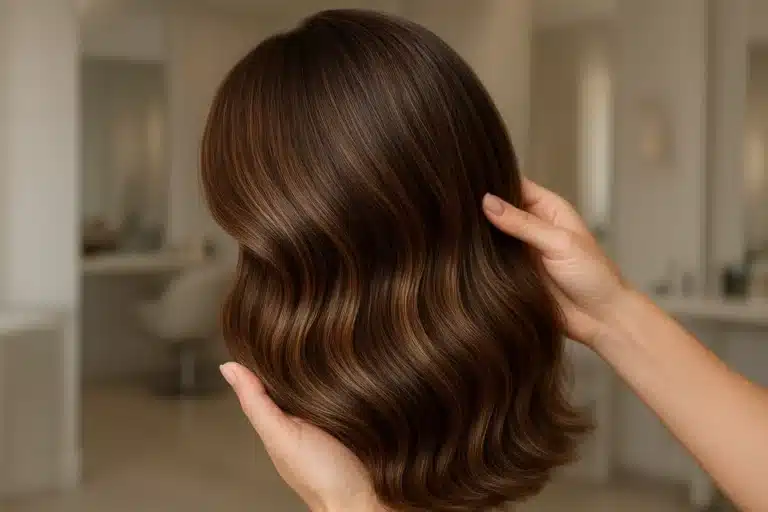
Shopping for a wig in Music City can feel like trying to navigate two completely different worlds. On one hand, you have the serene, high-end medical boutiques in Brentwood and Green Hills. On the other, the bustling, high-volume retail beauty supplies lining Gallatin Road in Madison. The sheer volume of options, varying price tags, and technical jargon can leave even the most prepared shopper feeling instantly overwhelmed.
If you are mapping out the best wig stores in Nashville, TN, you’ll quickly realize that navigating the local market requires more than just a good eye—it requires a tactical approach. How do you know if a $500 piece is genuinely better than a $50 one? More importantly, how do you evaluate quality right there in the aisle without feeling intimidated by sales staff or “No Return” policies?
This comprehensive guide will equip you with a tactile, non-destructive evaluation framework. You’ll learn how to touch, test, and assess wigs like a professional trichologist, empowering you to make a confident decision that fits your lifestyle, budget, and the unpredictable Tennessee climate.
The Nashville Retail Reality: Why Price Doesn’t Always Equal Quality
A common trap many first-time buyers fall into is assuming that a higher price tag automatically guarantees better quality. While premium materials do cost more, retail markups can blur the lines.
The biggest challenge shoppers face is what industry insiders call the “Silicone Shield.” Many lower-quality synthetic and human hair wigs are heavily coated in silicone at the factory. Under the bright, flattering lights of a nashville wig store, these wigs look incredibly glossy, soft, and realistic. However, after just one or two washes at home, that silicone washes away, leaving behind a matted, tangled bird’s nest.
To avoid this, you need to rely on tactile, non-destructive tests you can perform right in the store—without needing a lighter for the infamous “burn test” you might have seen online.
The 3-Pillar In-Store Evaluation Framework
When you walk into any wig shop nashville has to offer, remember these three pillars: The Hair, The Scalp, and The Cap.
1. The Hair: The “No-Burn” Remy Check
If you are looking at human hair, you’ve likely heard the term “Remy.” Remy hair means the hair cuticles are kept intact and running in the same downward direction, which prevents severe tangling. But how do you verify this in a store?
The Friction Test:Take a small section of the hair between your thumb and index finger. Gently slide your fingers down the hair shaft (from the roots toward the ends). It should feel smooth. Now, slide your fingers up the hair shaft (from the ends toward the roots).
- High Quality: You should feel a slight resistance or a subtle “zip” as you go against the grain of the natural cuticles.
- Red Flag: If it feels perfectly smooth in both directions, the cuticles have been chemically stripped and coated in silicone. It might look great today, but it will mat easily down the road.
2. The Scalp: The “Lace Disappearing Act”
A natural-looking hairline is often the highest priority for buyers. Lace front wigs offer a seamless transition, but not all lace is created equal.
The Forearm Test:Don’t place the lace against the palm of your hand—the skin tone and texture there rarely match your forehead. Instead, gently press the lace front of the wig against the inside of your forearm.
- High Quality: The lace grid should practically vanish against your skin, blending effortlessly. The knots where the hair is tied should be tiny and barely visible.
- Red Flag: If you immediately see a harsh, scratchy grid, “doll head” knots (large, dark clumps of hair tied into single holes), or a thick, heavily plucked hairline, put it back on the shelf.
3. The Cap: Surviving the Nashville Humidity Index
If you’ve ever spent a July afternoon walking around downtown Nashville, you know that humidity is a factor. The construction of the wig cap dictates how hot you will be.
The Stretch and Breathability Test:Flip the wig inside out. Look for open wefting (rows of hair with spaces in between) versus a fully hand-tied cap.
- For High Humidity: Open wefted caps allow maximum airflow to your scalp, making them highly rated on the “humidity index” for Tennessee summers. Hand-tied caps, while offering the most natural movement and premium comfort, can sometimes feel warmer.
- The Stretch Test: Gently pull the elastic sides of the cap. A high-quality cap will have robust, resilient stretch that snaps back immediately. If it feels flimsy in the store, it will stretch out and lose its shape after just a few wears.
Essential “Survival” Tips for Local Shoppers
When searching for human hair wigs nashville tn, the store environment matters just as much as the product. Here is how to navigate the shop itself:
- Look for Medical Affiliations: If you are experiencing hair loss due to a medical condition, seek out boutiques known for their empathy and expertise. Stores affiliated with organizations like the Cancer Society often provide private fitting rooms and a high-trust environment.
- Use the “Four Finger Rule” for Fit: To check if a wig fits properly right in the aisle, put it on and place four fingers flat against your forehead, horizontally above your eyebrows. The hairline of the wig should sit right above your top finger. If it sits lower, the cap is too big; if it pulls back, the cap is too small.
- Ask the Right Questions: Never leave without asking: “What is your exact return policy on unworn wigs?” and “Do you offer in-house customization or thinning?”
Your In-Store Action Plan Scorecard
Before you head out to look at wigs in nashville, mentally bookmark this quick scorecard:
- Friction Test: Does the hair have a natural cuticle direction, or is it covered in a “Silicone Shield”?
- Lace Test: Does the lace disappear against my inner forearm?
- Knot Check: Are the knots tiny and singular, or large and clumpy?
- Stretch Test: Does the cap spring back into shape firmly?
- Climate Check: Will this cap construction let my scalp breathe in the Southern humidity?
Frequently Asked Questions (FAQ)
Can I try on wigs at standard beauty supply stores?
Policies vary wildly. High-end boutiques encourage try-ons and provide wig caps for hygiene. Many high-volume beauty supplies have strict “No Try-On” or “Final Sale” policies. Always ask before handling the pieces.
Why shouldn’t I just buy a cheap wig online?
While online shopping offers variety, you lose the ability to perform tactile tests. Colors often look different on screens, and you cannot verify cap stretch or lace quality until it arrives. Starting your journey in-store gives you a crucial baseline for quality.
What is the difference between a lace front and a monofilament top?
A lace front creates the illusion of a natural hairline at your forehead. A monofilament top is a sheer material at the crown that creates the illusion of hair growing directly out of your scalp, allowing you to part the hair anywhere. The highest quality wigs often feature both.
How do I know what size cap I need?
About 95% of women fit into an “Average” cap size. However, using the “Four Finger Rule” and checking the adjustable velcro or hook straps at the nape of the neck will help you secure the perfect, customized fit.
Ready to Begin Your Journey?
Evaluating wig quality doesn’t have to feel like a guessing game. By moving beyond just looking at a wig and actually testing its construction, lace, and hair texture, you take control of the buying process. Remember, you deserve a hairpiece that not only looks beautiful but feels comfortable and authentic to your lifestyle.
If you are ready to put these evaluation skills to the test and explore curated, high-quality collections with compassionate guidance, dive deeper into our educational resources to learn more about finding the perfect hair solution tailored just for you.