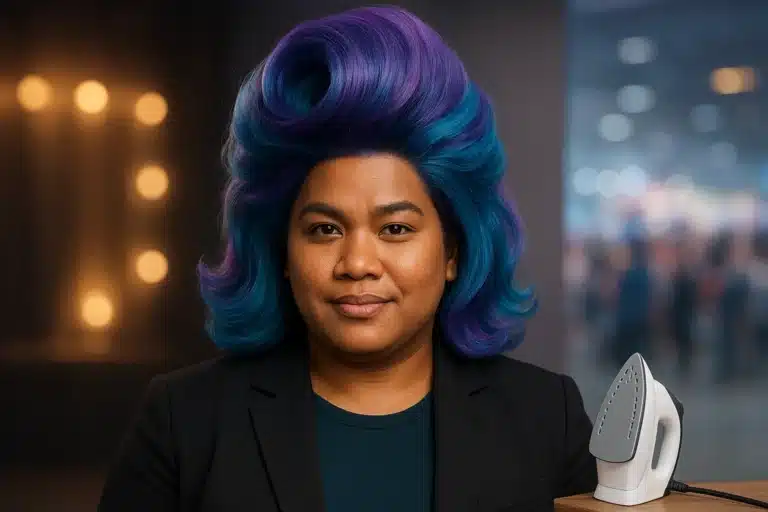
Imagine finally finding a wig in the exact length and texture you’ve been dreaming of. You bring it home, carefully place it on your head, and look in the mirror—only to feel like it looks, well, a little too much like a wig. If you’ve experienced this, you are not alone. It’s one of the most common, yet least talked about, hurdles in the hair replacement journey.
When exploring the best wig stores in Austin TX, many first-time buyers expect to walk out with a ready-to-wear masterpiece. The reality? A high-quality “box wig” is only about 70% finished. The remaining 30% of the magic happens in the stylist’s chair. Through personalized coloring, strategic thinning, and custom hairline plucking, an out-of-the-box hairpiece transforms into a seamless, natural extension of you.
Whether you are navigating medical hair loss or simply looking to change up your aesthetic, understanding how to customize your wig is the ultimate key to wearing it with absolute confidence.
The Blueprint of a Natural Look: Why “Out of the Box” is Rarely Enough
Biological hair grows naturally from your scalp, meaning it has a specific weight distribution. It’s typically thicker at the root and naturally thins out toward the ends due to environmental wear and tear. Wigs, on the other hand, are manufactured with a uniform density from top to bottom.
If you put on a wig without having it customized, that heavy, uniform density is usually what gives it away.
Professional wig stylists use a technique called “facial mapping” to trim and shape a wig differently than they would biological hair. They use thinning shears to remove bulk in specific areas, creating a natural drape that frames your unique face shape. Furthermore, understanding the specifics of wig cap construction allows your stylist to know exactly where they can safely thin the hair without exposing the wefts underneath.
The Four-Finger Rule
A major giveaway of an uncustomized wig is poor placement. A great stylist will teach you the “Four-Finger Rule” for finding your perfect, natural hairline: simply place four of your fingers horizontally across your forehead, resting the bottom finger just above your brow bone. Where your top finger lands is exactly where your wig’s hairline should begin.
Color Science: Dyeing Human Hair vs. Tinting Synthetics
One of the most frequent topics discussed in Austin’s local beauty forums is coloring mishaps. It’s crucial to understand that altering the color of a wig requires a completely different approach depending on the fibers.
Human Hair Customization:Because it is naturally porous, a 100% human hair wig can be treated with traditional salon chemicals. Stylists can bleach the knots (the tiny black dots where the hair is tied to the lace) to make them invisible against your skin tone, add dimensional balayage, or create shadow roots for a natural grow-out look. Learning how to care for human hair wig investments post-color is essential, as chemically treated hair needs intensive moisture.
Synthetic Hair Customization:This is where many independent stylists and at-home DIYers make critical errors. You cannot use traditional hair dye or bleach on synthetic wigs. Because the fibers are essentially plastics, they require alcohol-based inks or specialized fabric dyes. A skilled wig colorist knows how to “tint” synthetic hair to add lowlights or roots, adding the illusion of depth without destroying the structural integrity of the fibers.
Finding the Right Wig Stylist in Austin
Austin’s wig scene is diverse, ranging from the long-standing, medically focused salons along Burnet Road to the highly creative, avant-garde independent artists near Cesar Chavez. When looking for wigs austin tx, finding the right piece is only half the battle; finding a stylist who understands the canvas is the other.
Not every fantastic hairdresser is a fantastic wig stylist. Here are a few red flags and green flags to look for when booking a consultation:
- Red Flag: They suggest cutting the wig exactly like biological hair. (Remember, wigs require specific weight redistribution).
- Red Flag: They agree to bleach a synthetic wig. (Synthetic fibers cannot be lightened, only darkened).
- Green Flag: They discuss “plucking” the hairline to mimic your natural hair density.
- Green Flag: They offer advanced hd lace wig styling tips and explain how to cut the lace to seamlessly melt into your unique skin tone.
Navigating the Medical Journey: The “Cranial Prosthesis” Process
For Austin residents experiencing hair loss due to chemotherapy, alopecia, or other medical conditions, the financial aspect of customization can feel overwhelming. However, there is an often-overlooked insurance avenue you should know about.
If you have medical hair loss, do not write “wig” on any of your insurance paperwork. Instead, you need your doctor to write a prescription for a cranial prosthesis.
Many Texas insurance providers offer partial or full reimbursement for a cranial prosthesis, but the paperwork must be flawless. Your receipt from the wig boutique must also clearly state “cranial prosthesis” along with the proper medical billing codes. By partnering with a knowledgeable local boutique that understands this terminology, you can often secure a highly customized, natural-looking human hair piece that is covered by your health benefits.
Frequently Asked Questions (FAQ)
What does “plucking” a wig mean?
Wigs often come with very dense, straight hairlines that look unnatural. Plucking involves using tweezers to carefully remove individual hairs from the lace front, creating the slightly irregular, graduated density of a natural human hairline.
Can I use a curling iron on my synthetic wig?
It depends on the fiber. Standard synthetic wigs will melt under heat. However, if you have a “heat-friendly” synthetic wig, the answer is yes—and actually, it’s highly recommended! Contrary to popular belief, heat-friendly synthetic fibers need low, controlled heat applied periodically to smooth out the friction frizz that develops at the nape of the neck over time.
Is it necessary to bleach the knots on my lace front wig?
While not strictly necessary, bleaching the knots is one of the biggest secrets to achieving a flawless look on a human hair wig. When dark hair is tied to the lace, it leaves a tiny black dot at the base. Gently bleaching these knots turns them a light, translucent color, making it look as though the hair is growing directly out of your scalp.
Taking Your Next Steps
Finding the perfect wig is a journey, not a sprint. Remember that what you see in the box is simply a beautiful starting point. By understanding the physics of a natural fit, the chemistry of coloring, and the importance of finding a specialized Austin wig stylist, you are well on your way to achieving a look that is indistinguishable from biological hair.
As you continue your research, take the time to schedule consultations with local professionals. Ask questions, prioritize your comfort, and embrace the transformational artistry that custom wig styling has to offer.