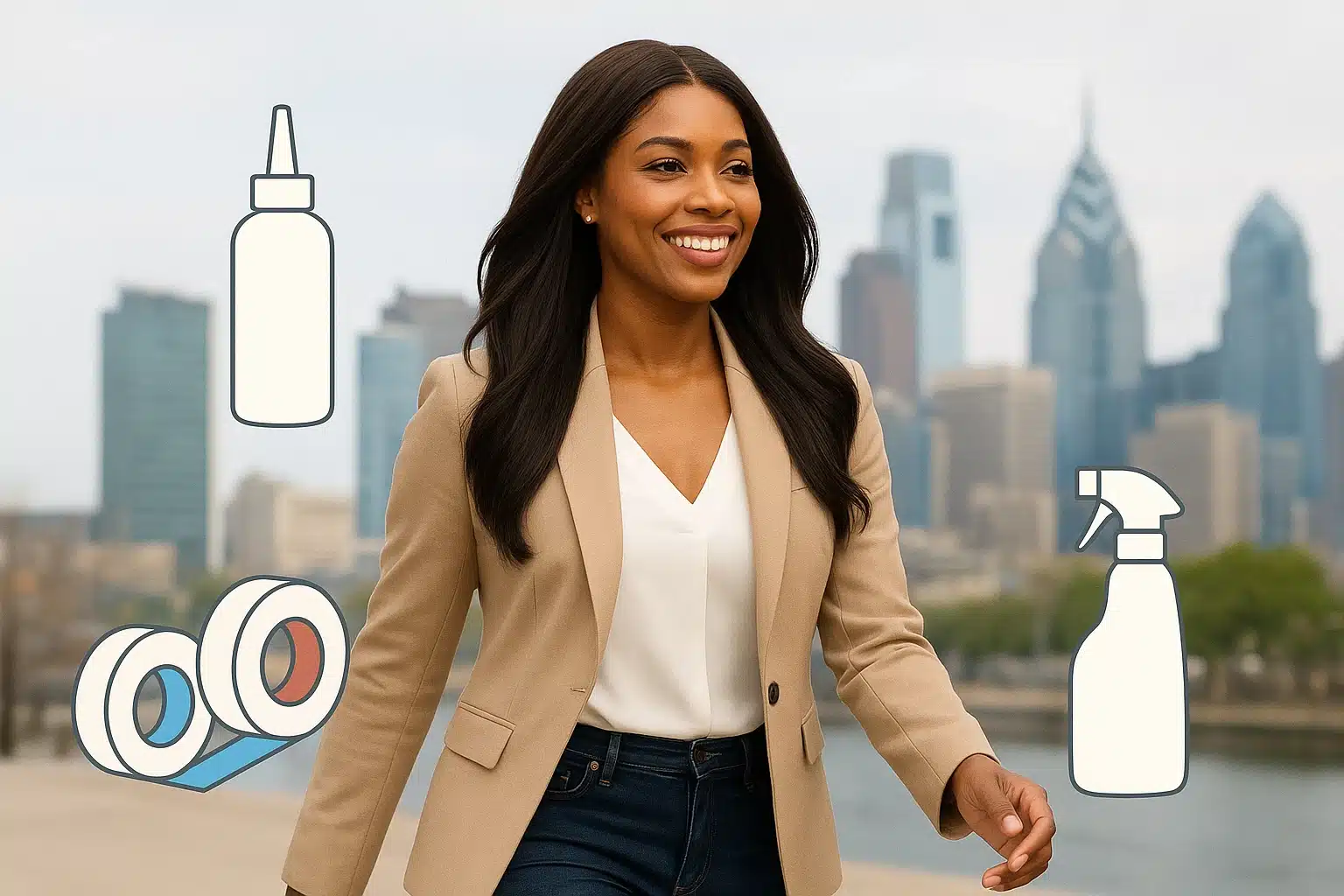
Picture this: you’re walking down Broad Street on a sweltering July afternoon. Your outfit is perfect, your makeup is flawless, but there’s a lingering worry in the back of your mind—is your wig secure? Philadelphia’s famous humidity and active urban lifestyle can put even the best wig installations to the test. Buying a gorgeous unit is only half the journey; knowing how to keep it seamlessly and safely attached without damaging your natural hair is what separates a good hair day from an effortless, confident one.
The foundation of a flawless install always starts with a high-quality unit. Before diving into the complex world of adhesives, you need to ensure you’re working with a wig that fits your needs and lifestyle. If you’re still in the sourcing phase, consulting a comprehensive guide to evaluating the best wig stores in Philadelphia, PA is the perfect first step to finding reputable local retailers. Once you have your ideal wig in hand, it’s time to master the art of securing it perfectly for the Philly climate.
The Philadelphia Foundation: Why Climate Dictates Your Adhesive
When it comes to wig adhesives, there is no one-size-fits-all solution, especially in a city with four distinct seasons. Your daily routine—whether that means running to catch the SEPTA, working out at a local gym, or braving the winter winds—dictates the type of hold you need.
Philadelphia’s humidity plays a massive role in how adhesives perform. In the peak of July, high humidity can significantly extend the “cure time” (how long it takes for the glue to set properly) of water-based adhesives. If you step out into the muggy summer air before your adhesive has fully cured, your wig is likely to lift. Conversely, the dry, cold air of January might make those same adhesives dry rapidly but can also lead to scalp dryness and irritation if you aren’t using the right skin protectors.
The Bonding Trinity: Glues, Tapes, and Sprays
Walking into a beauty supply store in North Philly or a specialty boutique in Center City can feel overwhelming when you’re staring at a wall of adhesives. To simplify things, you can break your options down into the “Bonding Trinity.”
1. Liquid Adhesives (Wig Glues)
Wig glues offer the most secure, seamless melt for lace front wigs, typically lasting anywhere from a few days to several weeks. They generally fall into two categories:
- Water-Based Glues: (Like the popular Ghost Bond series). These are generally gentler on the skin and easier to clean up. They are fantastic for sensitive skin but require careful application in humid weather.
- Solvent-Based Glues: These offer an incredibly strong, waterproof hold, making them ideal for heavy sweaters or swimmers. However, they contain harsher chemicals that can irritate sensitive scalps and require specialized solvents for safe removal.
The “Tacky” Secret: The most common mistake beginners make is pressing their lace into wet glue. For water-based glues, always wait for the “Clear vs. White” visual cue. The glue goes on white but turns completely clear when it’s tacky and ready for the wig.
2. Wig Tapes
If you want a strong hold without the mess of liquid glue, double-sided wig tapes are your best friend. Tapes are often categorized by their liner colors:
- Blue Liner Tapes: Known for their heavy-duty, long-lasting hold (often up to 2-4 weeks). They are highly resistant to sweat and oils.
- Red Liner Tapes: Perfect for daily wear or shorter holding times. They are easier to remove and leave less residue.
3. Holding Sprays (The “Glueless” Option)
For those who take their wigs off every night to let their scalp breathe, adhesive sprays are a game-changer. Products like Got2b or specialized lace sprays offer a firm hold that easily dissolves with water or light shampoo. They are the safest option for beginners terrified of damaging their hairline.
The Skin Safety Protocol: Saving Your Edges
One of the biggest concerns in the wig community is the “edge protection vacuum.” Many online tutorials focus entirely on how to get the strongest hold, completely ignoring the health of the skin and hair underneath.
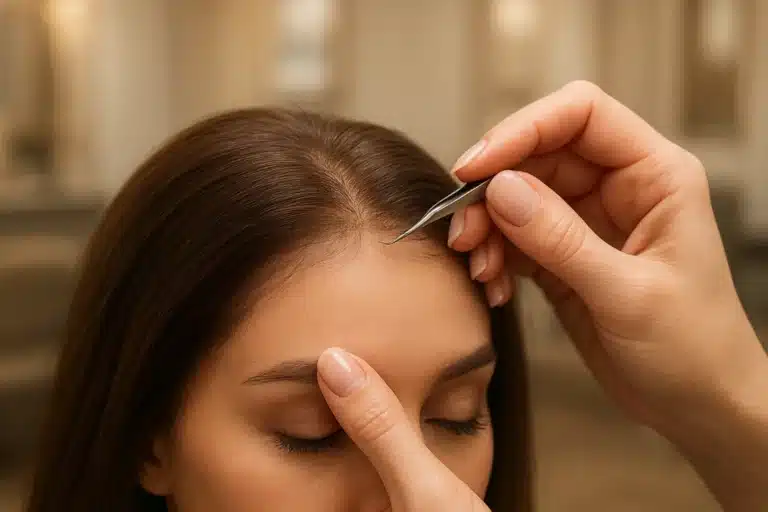
If you want to protect your edges, practice the 4-Finger Rule. Place four fingers horizontally across your forehead, resting the bottom finger on your eyebrows. The top finger is generally where your wig hairline should sit—which is typically just slightly in front of your natural hairline. You should never apply heavy glues or tapes directly onto your natural hair.
Additionally, always perform a patch test on your inner arm 24 hours before trying a new adhesive to rule out cyanoacrylate allergies or skin sensitivities. Using a skin protectant or barrier cream before applying any adhesive will also shield your pores from occlusion (blockage), allowing your scalp to remain healthier during long-term wear.
The Pro Removal Guide: Detachment Without Damage
We need to flip the script: safe removal is actually more important than flawless application. Most traction alopecia and hairline damage occur not when putting the wig on, but when impatiently taking it off.
When it’s time to remove your wig, put down the tweezers and step away from the mirror if you’re feeling rushed. Safe removal requires patience and the right solvent. You should easily be able to find citrus-based solvents (like C-22) or 99% isopropyl alcohol at local Philadelphia hair retailers.
Spray your solvent generously along the lace and wait. Do not pull. Let the solvent break down the chemical bonds of the glue or tape for at least two to five minutes. The lace should lift away from your skin with zero resistance. If it pulls, apply more solvent and wait.
Where to Source Wig Adhesives in Philadelphia
Philadelphia is rich with beauty supply stores and wig retailers, but inventory can vary wildly by neighborhood.
Larger beauty supply hubs, particularly those along 52nd Street or in North Philly, are excellent for finding a wide variety of holding sprays, standard wig tapes, and popular water-based glues. These are great spots for your daily wear necessities.
However, if you are looking for medical-grade adhesives, specialized scalp protectors, or professional-grade solvent removers, you may need to visit dedicated wig boutiques or cranial prosthesis specialists often located closer to Center City or the surrounding suburbs. When evaluating these stores, prioritize retailers whose staff can clearly explain the difference between a daily tape and a long-term liquid adhesive.
Frequently Asked Questions About Wig Adhesives
What is the best wig glue for lace fronts?
The “best” glue depends entirely on your body chemistry and lifestyle. For those with sensitive skin or who prefer weekly maintenance, water-based glues are highly recommended. For active individuals needing a multi-week hold, a solvent-based adhesive or heavy-duty tape might be necessary.
How do I apply wig tape without damaging my edges?
Always ensure your natural hair is braided down or slicked back securely beneath a wig cap. Apply the tape directly to your skin, just ahead of your natural hairline. Most importantly, use a dedicated adhesive solvent to dissolve the tape entirely before attempting to remove the wig.
How does Philadelphia’s humidity affect my wig glue drying time?
High humidity adds excess moisture to the air, which slows down the evaporation process needed for water-based glues to cure. On a humid Philly day, apply thinner layers of glue and allow extra time between layers, waiting until each is completely clear and tacky before applying the next.
Your Next Steps for a Flawless Install
Understanding the science of wig adhesives transforms wearing a wig from a stressful gamble into a comfortable, confident experience. By respecting your local climate, choosing the right bonding agent for your lifestyle, and prioritizing the health of your scalp during removal, you can achieve that flawless, natural look every time.
Your journey doesn’t stop here. Continue to educate yourself on proper wig maintenance, care routines, and styling techniques. The more you learn about the tools and products available to you, the more empowered you will feel to step out your front door looking—and feeling—absolutely radiant.