You’ve seen it scrolling through your feed: that flawless, cascading honey-blonde ombre or the striking pop of a deep burgundy balayage. It looks effortless, chic, and completely natural. But when you step into a boutique to find that exact look, the wigs on the mannequins sometimes feel flat, overly shiny, or even a bit “costumey.” This disconnect happens because transitioning a vibrant color or a subtle blend onto a wig requires incredible technical artistry.
Whether you’re searching for a confidence-boosting daily piece or exploring bold fashion shades, finding the perfect match isn’t just about knowing your preferred color. It’s about knowing how to evaluate the construction of that color. Before you start trying to find the best wig store in Philadelphia, you need a trained eye to recognize the hallmarks of high-quality multi-tonal blends. Let’s explore exactly what separates a masterfully colored wig from the rest, so you can shop your local boutiques with absolute confidence.
The Anatomy of a Perfect Blend: Costume Color vs. Fashion Color
The biggest giveaway of a lower-quality colored wig is the “dip-dyed” effect. Imagine dipping a paintbrush halfway into a jar of paint—you get a harsh, straight line where the color begins.
The Three-Tone Rule
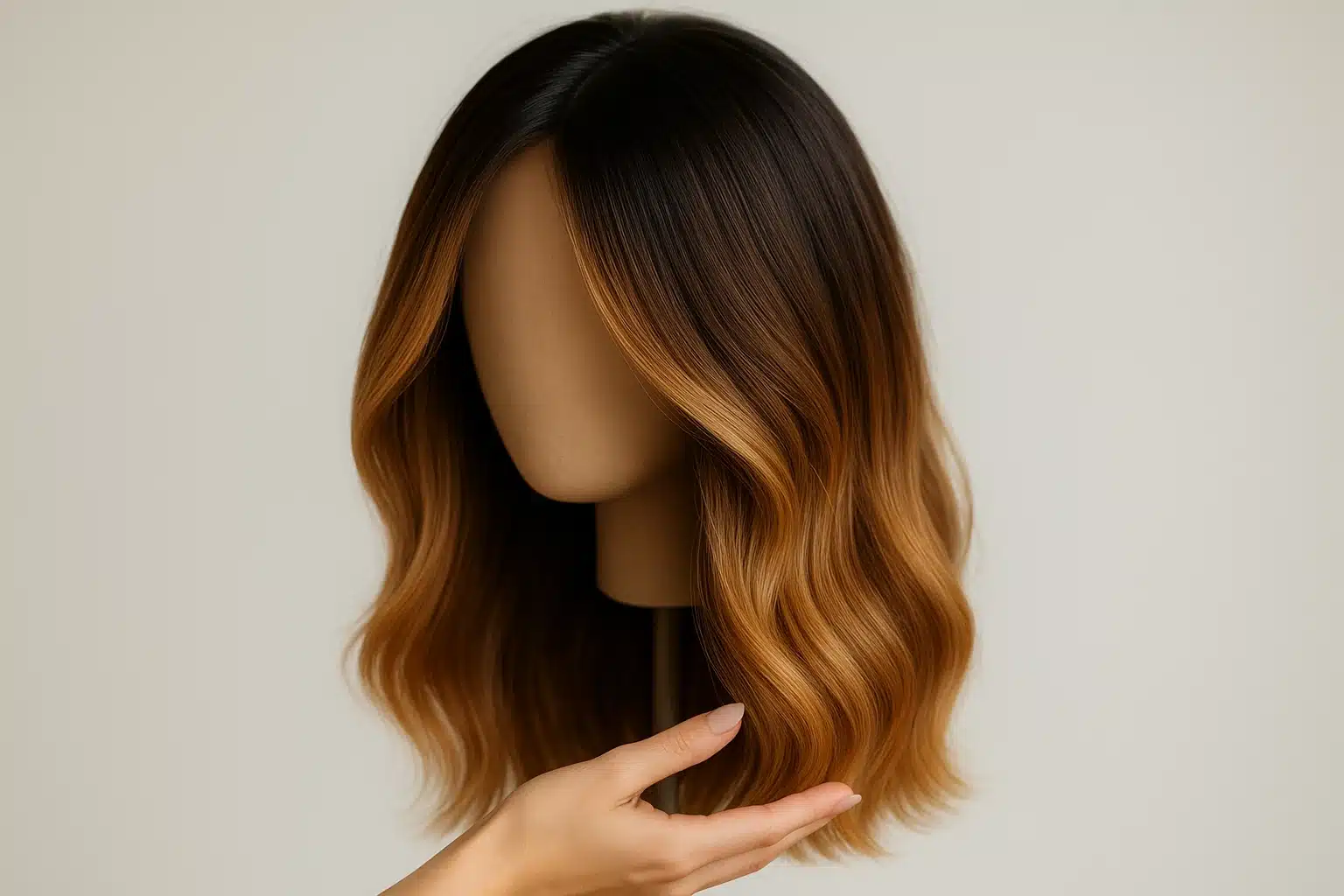
When evaluating an ombre style in a boutique, look for the Three-Tone Rule. High-end wigs will never transition immediately from black to blonde or dark brown to electric blue. Instead, you should see at least three distinct color transitions: the deep root, a transitional mid-shaft hue, and the lighter tip. This gradual melting of colors mimics the way hair naturally lightens, separating a piece that looks like high-fashion salon work from one that looks like a Halloween accessory.
Density vs. Color
Here’s a secret many buyers overlook: high-density wigs can actually make vibrant colors look bulky and fake. If you’re opting for a bold pastel pink or a vibrant platinum, excessive hair density causes the fibers to clump visually. A masterfully crafted fashion wig balances a lower, more natural density with its vibrant hues, allowing the hair to move freely and the light to catch individual strands, revealing the depth of the color.
The Ombre vs. Balayage Breakdown
While often used interchangeably, ombre and balayage are distinct coloring techniques that behave very differently on wigs.
- Ombre is a horizontal coloring technique. The top of the hair is dark, and the bottom is light, with a horizontal blending zone in the middle. It’s the signature “Philly Glam” look—think long, flowing locks transitioning from a dark root to a warm honey.
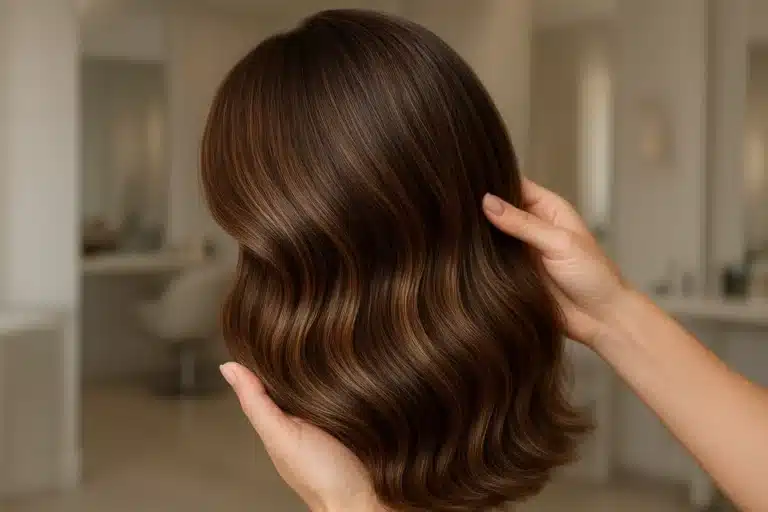
- Balayage is a vertical, sweeping technique. Highlights are painted throughout the wig, creating depth and dimension right up to the root. If you want a more sun-kissed, natural-looking multi-tonal blend, balayage is your go-to.
Cracking the Color Code
When shopping locally, you’ll often hear stylists and store owners throwing around numbers instead of color names. Here is your quick “Philly Style” translation guide so you can speak their language:
- 1B: Off-black (the most common, natural-looking dark root color).
- 27: Honey Blonde (warm, golden, perfect for seamless blending).
- 30: Auburn (rich, warm, reddish-brown).
- 613: Platinum/Light Blonde (often the pristine base used to dye vibrant custom colors like pinks or blues).
The “Philly Root”: Why Root Shadowing is Essential
If you look at the most popular local aesthetic—especially in fashion-forward neighborhoods across North Philly—you’ll notice a recurring theme: the dark root.
Root shadowing (often affectionately called “The Philly Root”) involves keeping the top inch or two of the wig darker than the rest. Why does this matter so much? A darker root grounds the wig, making even the most neon colors look intentional and rooted in reality. It creates the illusion that the bright hair is actually growing out of your scalp. When checking out styles at local spots like J’Adore, Posh Hair Boutique, or Beauty Time, look closely at the root. The transition should look slightly irregular and natural, not like a perfect, stenciled circle.
The In-Store Evaluation: Your Philadelphia Boutique Checklist
Once you have the wig in your hands at a local retailer, how do you test its color quality? Don’t just trust the mirror on the wall—use these two essential checks:
The Light Test
Store lighting is notoriously deceptive. Fluorescent overhead lights can make a beautiful warm balayage look green, ashy, or overwhelmingly shiny. Before purchasing, ask the retailer if you can step near a window. You need to see how Philadelphia’s actual seasonal lighting—whether it’s the bright glare of a July summer day or the diffused, grey light of a winter afternoon—interacts with the hair. If a vibrant wig has an unnatural, plastic-like shine under natural sunlight, the color will always look artificial on the street.
The Lace Tinting Reality
A beautifully colored wig can easily be compromised by a severely mis-matched lace front. When inspecting a pre-colored wig, check the lace. Does it clash with your skin tone? A quick win for beginners: you can easily tint the lace of a colored wig using a bit of your everyday powder foundation. This small adjustment bridges the gap between the wig’s vibrant fashion color and your natural hairline, creating a flawless illusion.
Frequently Asked Questions (FAQ)
How can I tell if a vibrant color will wash out my skin tone?
Use the “Jewelry Test.” If you look better and feel more radiant in gold jewelry, you likely have warm undertones and will shine in wigs with honey (Color 27) or rich auburn (Color 30) blends. If silver is your go-to, your cool undertones mean you can pull off icy platinums, vibrant blues, and ash-blonde balayages flawlessly.
Will the bright color fade on a synthetic wig?
Unlike human hair, the color on a high-quality synthetic wig is baked into the fibers during the manufacturing process. This means it won’t fade in the sun or wash out in the sink. However, using heavy styling products can create a dull film over the fibers, making the color appear faded over time. Regular, proper washing restores the vibrance.
Why does the ombre on my current wig look like a straight line?
This is typically the result of lower-quality manufacturing where the fibers are “block-dyed.” High-quality wigs use varying lengths of carefully colored fibers specifically layered to create a seamless gradient, rather than just dyeing the bottom half of the wig all at once.
Taking the Next Step in Your Journey
Understanding the artistry behind wig coloration completely changes the way you shop. You’re no longer just looking at a pretty style on a mannequin; you’re evaluating the depth of a balayage, the seamless transition of the Three-Tone Rule, and the natural grounding of a root shadow.
Whether you are navigating the emotional journey of hair loss and want to reclaim your confidence, or you simply love expressing your evolving personality through bold fashion choices, your hair should feel like an authentic extension of you. Armed with this knowledge, you are fully prepared to navigate Philadelphia’s diverse wig boutiques, easily spot the difference between costume quality and premium craftsmanship, and find that perfect, head-turning blend.