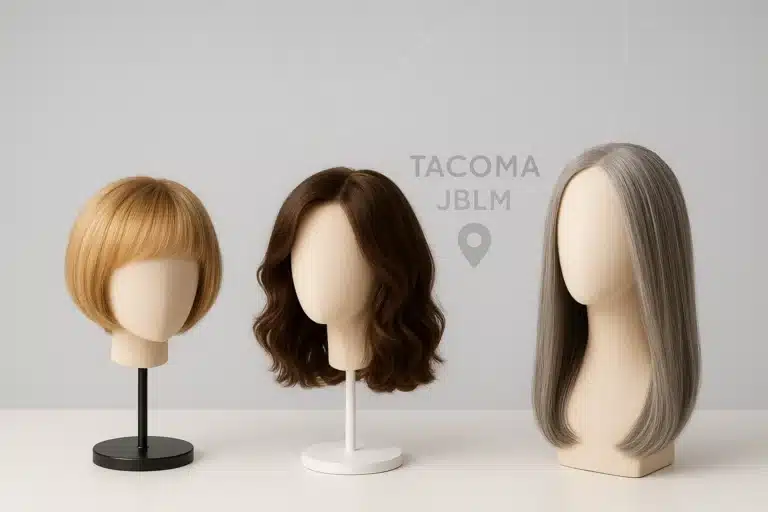
Imagine taking a beautiful, expensive dress right off the mannequin and wearing it to a gala without ever having it tailored. It might be gorgeous, but it won’t fit your unique curves, and everyone will subtly notice it looks a bit “off.” Buying a wig operates on the exact same principle. Most beginners treat a wig as a finished product right out of the box, but the truth is, a pristine, unstyled wig is essentially raw material waiting to be personalized to your face shape, lifestyle, and scalp.
If you are on a journey to find the best wig store in Philadelphia, it is vital to understand that purchasing your piece is only the first 50% of the process. The real magic—the part that transforms an obvious hairpiece into an invisible, undetectable extension of yourself—happens during post-purchase customization. From private fittings for a medical cranial prosthesis to advanced lace repairs and fashion-forward color transformations, navigating the services offered across Philly’s styling landscape can feel overwhelming. Let’s demystify what happens after the purchase and how to evaluate the right post-purchase customization shop for your specific needs.
The Invisible Wig: Why Professional Customization Matters
There is a distinct difference between “buying a wig” and “wearing a wig.” When you browse the best wig shops in the city, you’re evaluating the base quality of the hair and the structural integrity of the cap. But what happens when you take it home?
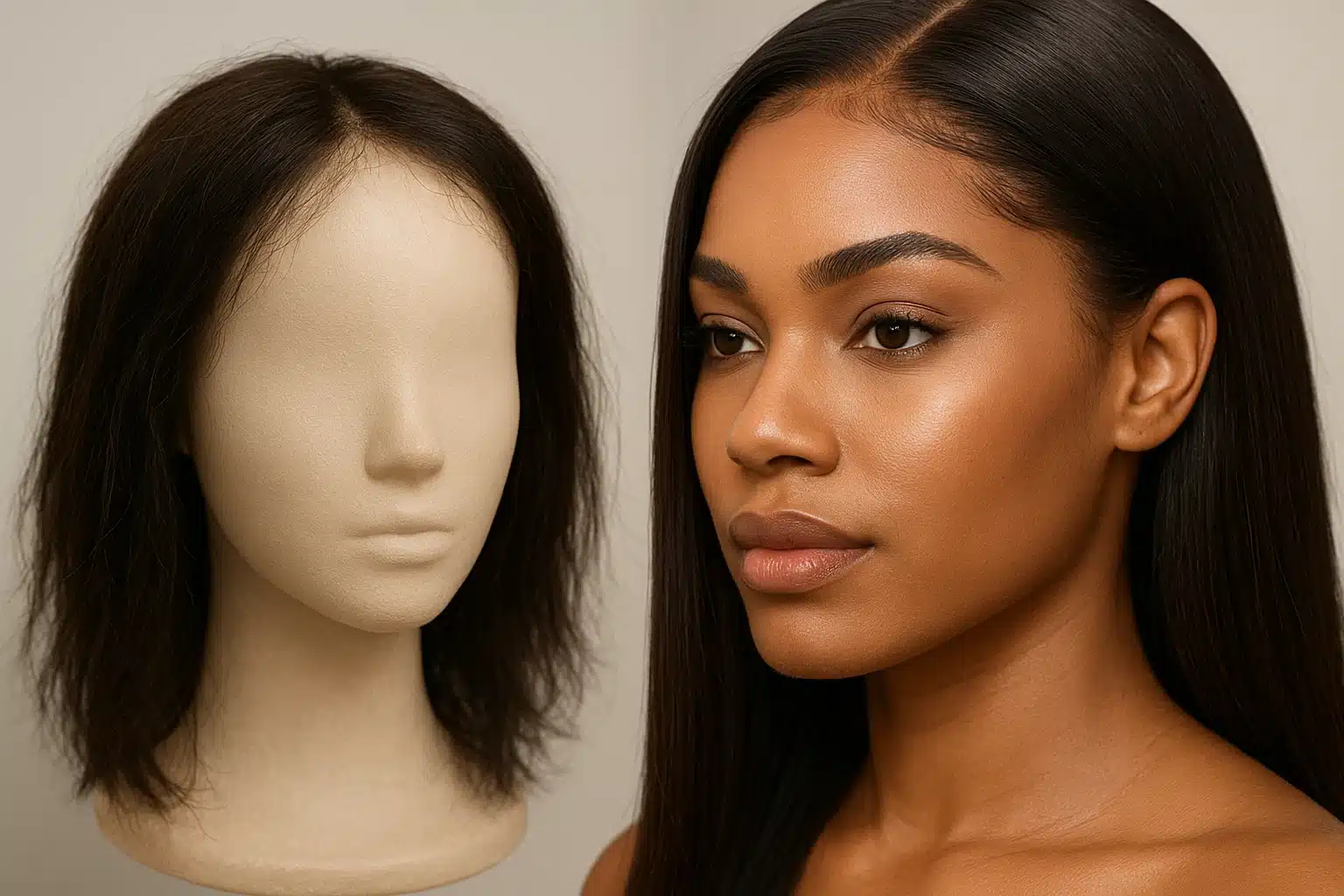
Many first-time wearers experience an “aha” moment when they realize that a perfectly round hairline, overly dense parting space, or stiff synthetic top is exactly what gives a wig away. Professional customization solves these “desperation” problems. A customized unit is thinned to match natural hair density, trimmed to frame your specific cheekbones, and tinted to blend seamlessly with your skin tone.
A Tale of Three Needs: Mapping Philadelphia’s Customization Landscape
Not all salons are created equal, and taking your wig to your standard neighborhood hairdresser can often result in disaster. The top-tier wig customization locations in Philadelphia generally fall into three specialized categories.
The Medical & Privacy Specialists (e.g., Silkopulence)
For individuals experiencing medical hair loss, privacy and scalp health are paramount. Shops in this tier bridge the gap between trichology (scalp health) and wig wearing. They offer private medical suites rather than open salon floors, ensuring a safe, compassionate environment. If you need a high-end installation that considers sensitive skin or insurance reimbursement guidance for medical units, this is your ideal environment.
The Repair & Upgrade Innovators (e.g., Andre Richard Salon)
What do you do when your favorite lace front starts balding, or when a synthetic wig feels too stiff at the crown? Specialized repair salons focus on structural transformations. They are masters of the “Lace Refill”—a process where new hair is individually tied into thinning lace. They also offer unique “synthetic rescue” services, like upgrading a stiff synthetic wig by sewing in a human-hair closure, giving you the natural parting of human hair with the budget-friendly body of synthetic hair.
The Heritage Cutters (e.g., Salon Bala & Wig Boutique)
With decades of industry experience, heritage boutiques focus on “The Cut.” They understand that cutting wig hair requires entirely different tension and texturizing shears than bio hair. If you have a brand-new unit that simply needs to be expertly shaped into a bob or layered to remove bulk, these long-standing institutions provide reliable, classic wig styling mastery.
The Anatomy of Wig Customization: What to Ask For
When booking your phase-two appointment, knowing the terminology ensures you get exactly what you need.
Cutting & Shaping: Measure Twice, Cut Once
The golden rule of wig cutting is simple: the hair doesn’t grow back. When a stylist cuts bio hair, they pull it taut. If you pull wig hair taut while cutting, it springs back unpredictably, often ruining the style. Professional wig cutters use specific dry-cutting techniques to account for how the hair naturally falls from the wefts.
The Color Lab: Human vs. Synthetic Reality
One of the most common misconceptions is that you can take any wig to a salon for highlights. If you have invested in full lace human hair wigs, a specialized colorist can lift (bleach) and deposit color much like natural hair, allowing for balayage, root smudges, and custom highlights.
However, synthetic hair is essentially made of plastic fibers. You cannot bleach it. Custom coloring on a synthetic unit requires fabric-based dyes and professional tinting techniques to darken or tone the hair. Always confirm if a Philly salon will actually process synthetic hair before booking a color appointment.
Lace Mastery & Repairs
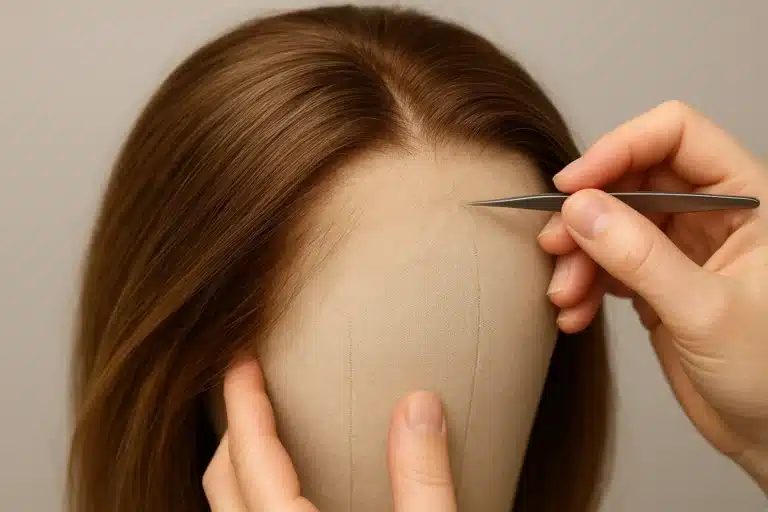
The lace is the delicate foundation of your wig’s illusion. Over time, shedding occurs. Instead of throwing the unit away, seek out a salon that offers wig repair. Specialists use a tiny needle to perform “ventilation,” knotting individual hairs back into the bald spots of your lace to breathe new life into your investment. They will also bleach the knots on the underside of the lace so they look like natural hair follicles emerging from your scalp, rather than tiny black dots.
Pro-Tips to Prevent the “Wiggy” Look
Whether you’re getting ready for a professional install near Rittenhouse Square or doing daily wear in the suburbs, keep these insider tips in mind:
- The Four-Finger Rule: A common beginner mistake is pulling the wig too far down on the forehead. Place four fingers horizontally above your eyebrows—the top finger is exactly where your wig’s natural hairline should begin.
- Embrace Plucking: A straight, dense hairline looks artificial. Professional customization involves aggressively plucking the hairline to mimic the natural, slightly irregular growth pattern of baby hairs.
- Product Boundaries: Never use standard drugstore hairspray on non-human hair. Proper synthetic wig care requires water-soluble sprays specifically formulated to provide hold without degrading the synthetic fibers over time.
The Action Plan: Preparing for Your First Customization Appointment
Ready to transform your piece? Here is your checklist before sitting in the stylist’s chair:
- Wash and dry your wig: Unless the salon includes a prep wash, bring your unit clean and free of adhesives.
- Bring your daily tools: Bring the specific caps, grips, or adhesives you plan to wear daily, as this alters how the wig sits on your head during a cut.
- Know your cap: Be ready to describe your wig cap construction (e.g., monofilament top, basic wefted, hand-tied) when booking, as this dictates what the stylist can and cannot do.
- Have inspiration photos ready: Just like a traditional haircut, visual references of layers and face-framing styles leave less room for misinterpretation.
Frequently Asked Questions (FAQ)
Can a regular salon cut my wig?
Generally, no. Cosmetologists are trained to cut growing hair using specific tension techniques. Unless a stylist has specific training in alternative hair, they risk cutting the wig too short or exposing the structural wefts underneath. Always seek a specialized wig stylist.
Can you bleach the knots on a pre-plucked wig?
If the wig is 100% human hair, yes! Bleaching the knots is a standard customization service that makes the hair look like it’s growing directly from your scalp. However, if the wig is synthetic, the knots cannot be bleached and must be hidden using tinted lace concealer or foundation.
When should I get a lace refill versus buying a new wig?
If the back and sides of your wig (the wefted areas) are still in excellent condition, but the delicate lace front has torn or developed bald spots from excessive parting, a lace refill is highly cost-effective. If the hair fibers themselves are permanently frizzed, tangled, or degraded, it is time for a replacement.
How do I keep my customized style intact at home?
Routine wig maintenance is key. Invest in a proper canvas blockhead for overnight storage, use only wide-tooth combs or specialized looped brushes, and wash your unit only after 8-10 wears to preserve the salon’s professional shaping and styling.
***
Your journey with hair loss or hair enhancement is deeply personal, and your wig should reflect your unique beauty and confidence. By understanding the vast world of post-purchase customization available in Philadelphia, you transition from simply wearing a wig to owning a bespoke, flawless hairpiece that feels undeniably like you.