Navigating medical treatments like chemotherapy or managing conditions like alopecia is physically and emotionally demanding. The last thing you need during this vulnerable chapter is to find yourself fighting with your health insurance provider over coverage for a hair replacement system. Yet, many patients find themselves doing exactly that—buried under confusing paperwork, mysterious billing codes, and frustrating claim denials because they simply don’t know the “language” of insurance.
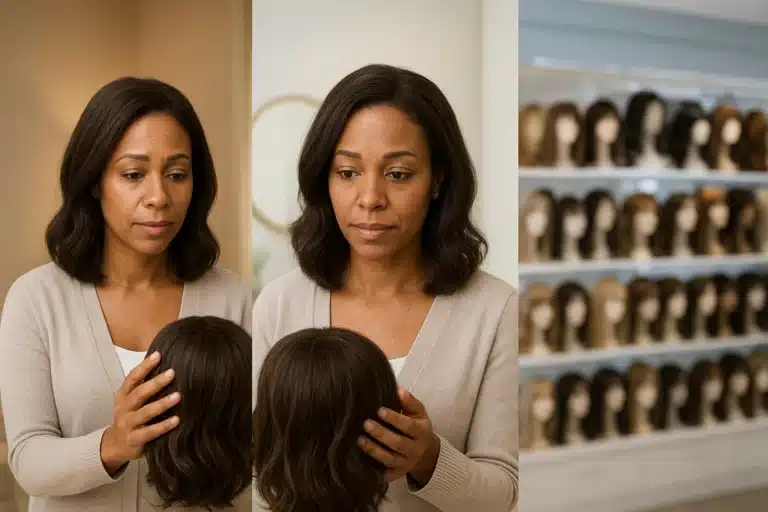
Finding the right support system locally is crucial to lightening this load. While there are many fantastic wig stores in Denver offering beautiful hairpieces, identifying the boutiques that understand the complexities of medical billing can feel like searching for a needle in a haystack. This guide is designed to bridge that gap. We’re going to demystify the insurance process, give you the exact vocabulary you need, and introduce you to the local Denver experts who can help you secure coverage for your medical hair loss.
The Vocabulary “Aha” Moment: Why Words Matter to Insurance
The single biggest mistake patients make when filing an insurance claim is using the word “wig.”
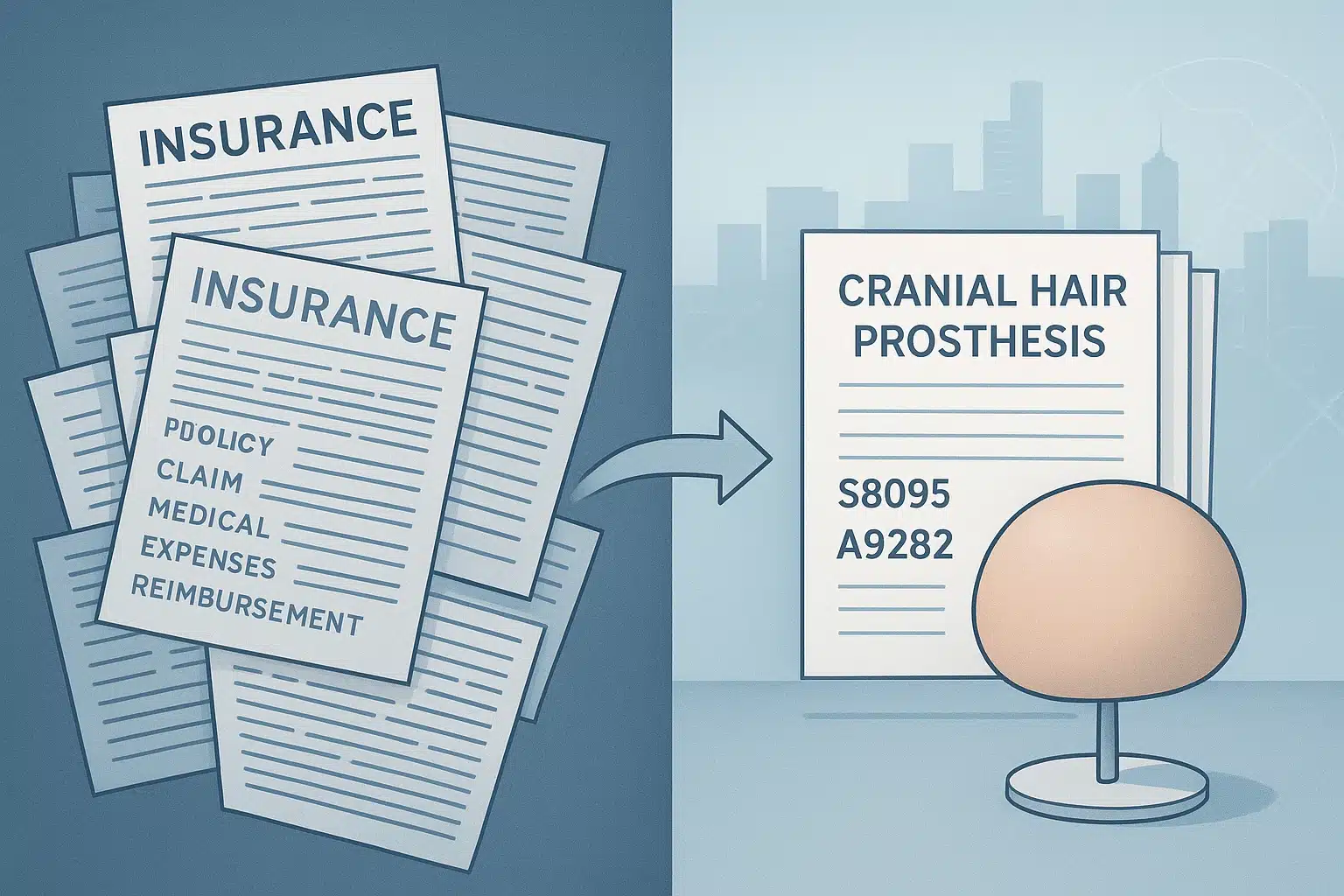
To the health insurance industry, a “wig” is classified as a cosmetic item, and cosmetic items are categorically denied. To successfully unlock your benefits, you have to understand that you are not buying a wig—you are being prescribed a Cranial Hair Prosthesis (or Extracranial Prosthesis).
This isn’t just wordplay; it’s a regulatory distinction. A cranial prosthesis is considered Durable Medical Equipment (DME). Understanding this shift in terminology is your first and most powerful step toward getting your claim approved.
The “Wig” Red Flag: Never allow the word “wig” to appear on your medical invoices, doctor’s prescriptions, or claim submissions. Ensure your boutique and your doctor use “Cranial Hair Prosthesis” exclusively.
Demystifying the Medical Codes
Insurance companies speak in numbers. For a claim to be processed seamlessly, the invoice you submit must contain specific Healthcare Common Procedure Coding System (HCPCS) codes.
Depending on your diagnosis, you will be utilizing one of two primary codes:
- HCPCS Code S8095: This code is specifically designated for a “prescribed wig, each, for oncology/cancer treatment patients.”
- HCPCS Code A9282: This is a broader code for “wig, any type, each.” This is the standard code utilized for medical hair loss unrelated to cancer, such as Alopecia Areata, Cicatricial Alopecia, or Trichotillomania.
The Doctor’s Prescription Blueprint
Before you even visit a boutique, you need a prescription from your oncologist or dermatologist. To ensure it’s written correctly the first time, you can ask your doctor to follow this blueprint:
“Prescription for Cranial Hair Prosthesis for medical hair loss due to [Insert Diagnosis, e.g., stage II chemotherapy]. ICD-10 Code: [Insert Code]. NPI Number: [Doctor’s NPI].”
Your doctor’s National Provider Identifier (NPI) number is mandatory for the insurance company to verify the prescription.
Denver Wig Boutiques: Your Local Insurance Navigators
Fortunately, you don’t have to navigate this administrative maze alone. Several specialized boutiques across the Denver metro area are equipped to provide the exact documentation you need to submit a compliant medical claim.
Kim’s Wig Botik (Denver)
Kim’s Wig Botik takes a highly hands-on approach to the insurance process. They understand exactly what major carriers require and generate fully customized PDF invoices that include their corporate Tax ID and the necessary HCPCS medical codes. If you are looking for a boutique that actively assists with the documentation required for your claim, Kim’s is a robust local resource.
Susie’s Wigs & Hair Replacement (Denver/Cherry Creek)
Susie’s is deeply attuned to the physical realities of chemotherapy. They specialize in medical-grade caps that are breathable and gentle on scalps experiencing treatment-induced sensitivity. While they provide itemized billing invoices suitable for self-filing your insurance claim, their standout feature is the chronological care they provide—including same-day custom sizing and alterations to accommodate your hair loss timeline.
Hana Designs (Littleton)
Located just south of Denver, Hana Designs focuses on advanced cranial prosthetic technology, utilizing full-lace and skin-cap construction designed to safely conform to bare scalps. While they do not bill insurance companies directly, they provide the meticulously itemized receipts you need to seek reimbursement. Furthermore, for patients facing severe financial hardship, they can connect you with “Hana’s Hope,” a charitable foundation offering financial assistance.
B.O.E. Wigs (Beauty of Expression – Denver)
B.O.E. Wigs offers deeply personalized consultations, specializing heavily in custom-molded medical hair systems. They are particularly experienced in helping patients navigate alopecia-related hair loss, providing the specific paperwork and itemization required to support claims utilizing the A9282 billing code.
Step-by-Step Guide to Filing (and Winning) Your Claim
Transforming a boutique receipt into an administrable medical claim requires a systematic approach.
1. The Initial Filing Checklist
Before submitting your claim to your insurance provider, ensure you have gathered:
- Your doctor’s prescription (featuring the NPI number and diagnosis code).
- An itemized receipt from the boutique (featuring their Tax ID number).
- The correct HCPCS code clearly printed on the invoice.
- A completed medical claim form from your specific insurance carrier.
2. The Appeal Strategy
If your initial claim is denied, do not panic. Denials are incredibly common and are often overturned on appeal.
When drafting your appeal letter to the Medical Review Board, the key is to address the medical necessity of the prosthesis. Beyond the physical loss of hair, incorporate the psychosocial elements. Documenting the psychological impact of sudden hair loss—such as clinical depression, severe anxiety, or identity disruption—can legally sway review boards. Frame the cranial prosthesis not as a cosmetic enhancement, but as a crucial component of your holistic medical recovery and mental well-being.
Alternative Avenues: Tax Deductions and Local Grants
If you are uninsured, or if your policy strictly excludes cranial prostheses despite an appeal, there are alternative ways to offset the cost.
- Colorado Tax Deductibility: Under IRS medical expense guidelines, an un-reimbursed medical wig prescribed by a physician can be claimed as a tax deduction. Keep your prescription and your receipt for your accountant.
- Flexible Spending & Health Savings: You can generally use funds from an HSA or FSA to purchase a cranial prosthesis, provided you have a Letter of Medical Necessity from your doctor.
- Financial Assistance Grants: Organizations like the American Cancer Society (1-800-227-2345) and local programs like Hana’s Hope offer grants and assistance to patients demonstrating financial need.
Frequently Asked Questions (FAQ)
Does traditional Medicare cover wigs in Colorado?
Unfortunately, traditional Medicare (Parts A and B) categorically excludes wigs and cranial prostheses. However, certain Medicare Advantage (Part C) plans, as well as Colorado Medicaid (Health First Colorado), may cover them as Durable Medical Equipment under strict prior authorization protocols. Always check your specific policy details.
How much will my insurance cover?
Coverage varies wildly by provider and plan. Some policies cover a flat percentage (e.g., 80% of the cost), while others have a strict dollar limit (e.g., up to $350 or $500 per calendar year) for cranial prostheses.
Can I buy a wig online and still get it covered?
Yes, but the burden of paperwork rests entirely on you. You must ensure the online retailer can provide an invoice with their Tax ID, itemized costs, and the correct DME description. This is why many patients prefer working with local Denver boutiques that understand exactly what paperwork is required.
Your Next Steps Toward Confidence
Losing your hair is a profound medical event, and restoring your appearance is a valid, essential part of your healing journey. By understanding the terminology, gathering the right documentation, and partnering with local Denver boutiques that know how to navigate the insurance landscape, you can take the administrative burden off your shoulders.
Focus on finding the cranial prosthesis that makes you feel comfortable, beautiful, and most importantly—like yourself again. The paperwork is just a process, and now, you have the blueprint to master it.