There is a distinct, often unforgettable moment when the reality of hair loss first takes hold. Perhaps it was the sight of a widening part in the mirror, the extra strands left behind on your pillow, or the sudden realization that your familiar reflection is beginning to change. If you’re feeling a deep sense of panic, sadness, or disconnection right now, you are not alone, and you are not overreacting. Our society rarely acknowledges the profound emotional attachment to hair, often dismissing thinning or shedding as a merely cosmetic issue. But behind the reflection lies a much deeper shift in how we perceive ourselves and our place in the world.
Hair loss is rarely just a dermatological concern; it is a profound disruption of your somatic identity—the way your mind maps and understands your physical body. When that map suddenly changes, it requires more than just new styling products or clever hats. It demands a structured, compassionate approach to navigating the emotional landscape of hair loss. By exploring the psychological journey of shedding, grieving, and ultimately rebuilding, you can discover a renewed sense of confidence that is entirely independent of your follicles.
The Invisible Grief: Validating the Somatic Shock
When experiencing hair loss, many people are met with well-meaning but dismissive advice like, “It’s what’s on the inside that counts.” While true, this clinical form of toxic positivity invalidates a very real grieving process. You are experiencing what psychologists call an “ambiguous somatic loss”—the ongoing, unpredictable loss of a physical trait that has historically tied into your feelings of youth, vitality, or femininity.
Recent clinical studies, including a 2022 review on the psychological profile of hair loss patients, confirm that women experiencing hair loss report significantly higher levels of social anxiety and a staggering 85% report a loss of perceived femininity. It is a genuine trauma.
Furthermore, you might literally feel your hair loss. Have you ever felt a burning, painful, or tender sensation on your scalp while your hair is shedding? This is a medically recognized condition called trichodynia. Caused by inflammation around the hair follicles, trichodynia proves that hair loss is not just visual—it is deeply somatosensory. If your scalp physically hurts, it is not just “in your head,” and validating that physical sensation is the first step toward self-compassion.
Mapping Your Emotional Weather: The Hair Loss Grief Cycle
Just as we grieve the loss of a loved one, we must also grieve the loss of our physical expectations. Understanding where you are in this cycle can normalize the chaos of your emotions.
- Shedding Panic (Denial & Shock): Hyper-fixating on the shower drain or your brush. You might find yourself frantically counting hairs or taking daily photos of your scalp.
- Mirror Avoidance (Anger): Feeling betrayed by your own body. You may begin avoiding mirrors, canceling social plans, or feeling intense resentment toward others with full heads of hair.
- The Miracle Product Trap (Bargaining): This is a vulnerable phase where predatory marketing thrives. Driven by a desperate need for control, you might spend hundreds of dollars on unproven supplements, topical oils, or lasers hoping for a quick fix. Understanding the natural science of hair growth cycles is your best defense against this expensive and emotionally draining trap.
- Identity Crisis (Depression): A deep sadness over your changing silhouette. This is the heavy realization that your appearance is fundamentally shifting.
- Integration (Acceptance): The realization that your hair does not define your worth. You begin exploring aesthetic alternatives not to hide, but to express yourself.
De-biasing the Mirror: A Cognitive Restructuring Protocol
The daily act of looking in the mirror is often the most significant trauma point for those experiencing hair loss. We tend to look at ourselves through a lens of harsh criticism, zeroing in on bald spots or thinning areas while ignoring the rest of our face.
To break this cycle, clinical psychologists often use a technique rooted in body dysmorphia therapy. We call it the Mirror Exposure Protocol. This exercise teaches you to look at your reflection using neutral, descriptive language rather than emotional, critical language.
How to Practice the Mirror Exposure Protocol:
- Step 1: Set a timer for just two minutes and sit comfortably in front of a mirror.
- Step 2: Take a deep breath and locate any physical tension in your body—drop your shoulders and unclench your jaw.
- Step 3: Scan your reflection and describe your hair loss using strictly objective, non-judgmental language. Instead of saying, “I look terrible,” say, “The skin on my scalp is smooth here,” or “There is an area of thinning near my crown.”
- Step 4: If an emotional thought arises (e.g., “I look old”), simply label it as a thought. Tell yourself, “I am having the thought that I look old,” and gently return to your sensory, factual descriptions.
With daily practice, this protocol desensitizes your brain’s “fight-or-flight” response to your reflection, allowing you to view your changing appearance without immediate panic.
Reclaiming Agency: The Empowerment Ritual
One of the most painful aspects of hair loss is the feeling of powerlessness. You are passively watching something happen to you. Rebuilding your self-image requires flipping the script from passive victimhood to active agency.
For many, the shedding phase becomes so emotionally exhausting that the anticipation of losing hair is worse than being bald. This is why the act of shaving one’s head can be an incredibly powerful turning point. If you choose to take this step, reframe it. You are not “making yourself bald” in an act of surrender; you are executing a deliberate, intentional ritual of self-determination. You are taking back the control that alopecia, genetics, or illness tried to take from you. It is a bold reclamation of your silhouette.
Rebuilding Worth: You Are Not Your Follicles
How do you build self-worth independent of your physical attributes? A psychological framework called Acceptance and Commitment Therapy (ACT) offers a path forward through a process called “cognitive defusion.” This involves separating your core, unchanging human values from your temporary physical state.
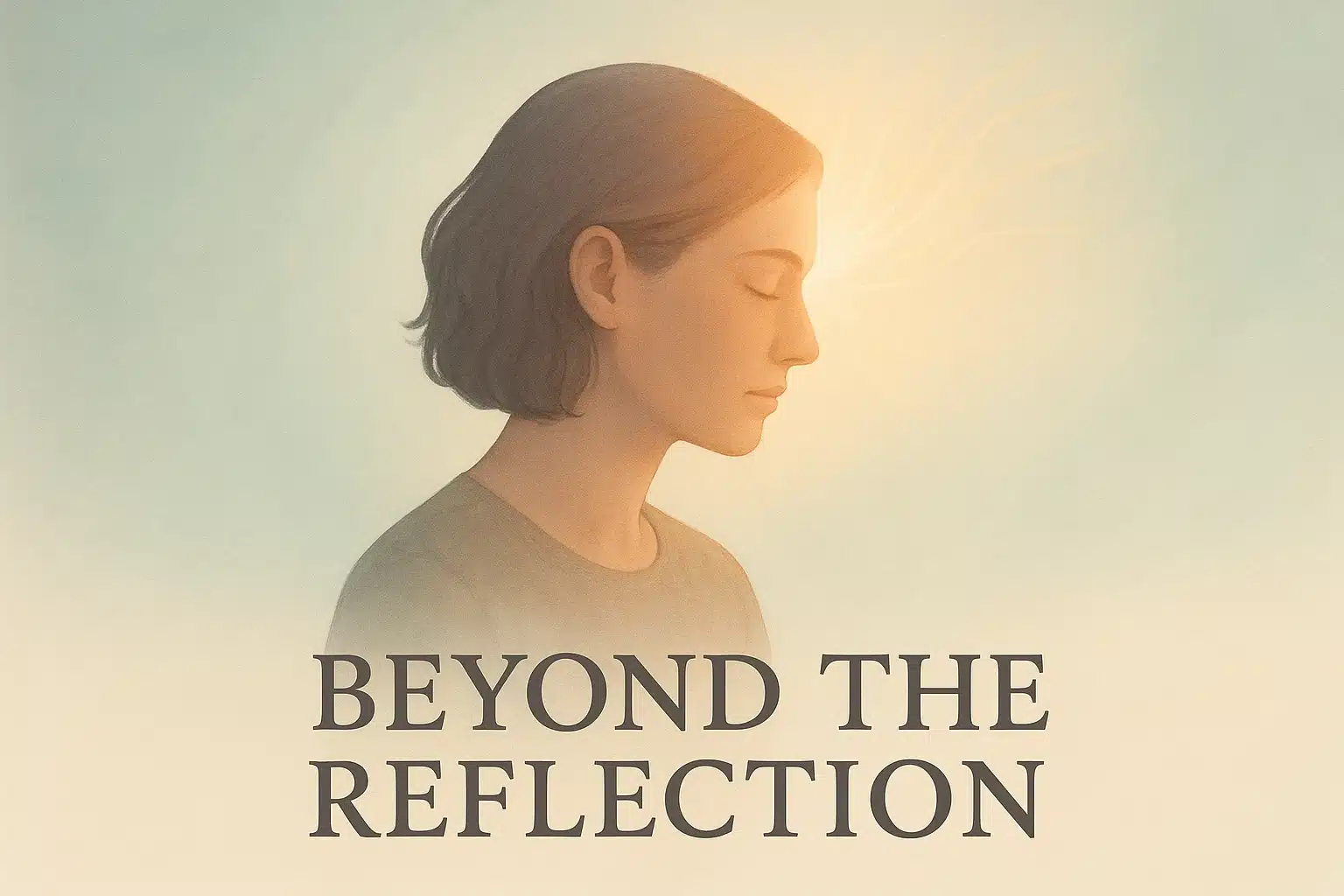
Take a moment to ask yourself: Who am I beyond my reflection? You are your empathy, your sharp sense of humor, your resilience, and your creativity. None of these core values reside in your hair follicles. Cultivating “Radical Acceptance” means accepting reality exactly as it is in this moment—without necessarily approving of it or giving up the desire for it to change—so you can stop fighting your reality and start living your life.
When you reach this point of internal integration, external solutions take on a completely different meaning. Aesthetic tools like headscarves, cosmetic enhancements, or beautifully crafted medical wigs are no longer desperate masks used to hide in shame. Instead, they become playful, creative choices. They are accessories of self-expression, allowing you to curate your look with the same joy you might apply to choosing a fantastic pair of glasses or a bold lipstick.
Frequently Asked Questions (FAQ)
Why does my scalp literally hurt where my hair is thinning?
This physical sensation is known as trichodynia, which involves inflammation around the hair follicles. It is incredibly common and validates that hair loss is a physical, somatosensory experience, not just a cosmetic one.
Is it normal to feel profound grief over losing my hair?
Absolutely. Losing your hair is a disruption of your somatic identity. It is entirely normal to cycle through denial, anger, bargaining, and depression. Give yourself the grace to mourn this change just as you would any other significant loss.
How do I stop spending money on “miracle” hair growth products?
Recognize that the desperate urge to buy unproven products is part of the “Bargaining” phase of grief. Protect your peace and your wallet by consulting with board-certified dermatologists and relying on clinically proven treatments rather than internet marketing hype.
I am terrified of looking in the mirror. What can I do?
Try the Mirror Exposure Protocol mentioned above. Limit your mirror time to a few designated minutes a day, and when you do look, consciously practice using objective, factual language to describe your appearance rather than emotional or self-deprecating words.
Taking the Next Steps in Your Journey
Rebuilding your self-image after hair loss is not a linear journey. There will be days when you feel radically confident, and days when the grief catches you off guard. That is part of the process. By acknowledging the invisible emotional weight of your changing reflection, practicing cognitive restructuring, and decoupling your inner worth from your outer appearance, you pave the way for true healing.
As you navigate this path, remember that seeking out community and utilizing supportive resources—whether that means connecting with support groups, exploring therapy frameworks like ACT, or finding high-quality aesthetic solutions that help you feel like yourself again—is a sign of immense strength. You are writing the next chapter of your identity, and your story is about so much more than what is visible in the mirror.