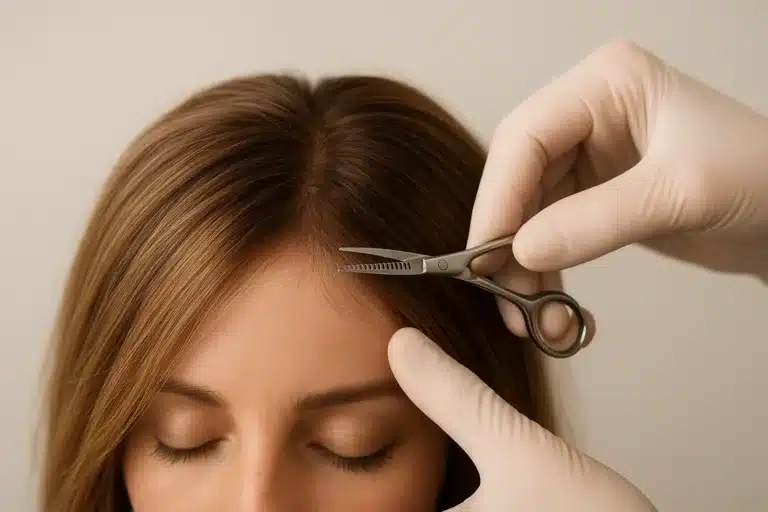
Experiencing hair loss—whether due to chemotherapy, alopecia, or genetic thinning—is an intensely personal and often emotionally taxing journey. The moment you realize you need alternative hair, a sudden rush of questions and concerns can feel entirely overwhelming. You aren’t just looking for a retail experience; you are looking for a safe, discreet sanctuary where you can explore your options with dignity.
Finding a local wig store that offers a true sanctuary of privacy, discretion, and compassionate guidance is paramount for residents in the Dallas-Fort Worth Metroplex. A private consultation room isn’t merely a luxury; it is a fundamental component of healing and rebuilding your self-image without the anxiety of onlookers. If you are just beginning this process and want a comprehensive overview of trusted local options, exploring our guide to the best wig stores in Fort Worth, TX is a wonderful first step.
Let’s demystify the private wig-fitting experience, explore vetted local sanctuaries in Fort Worth, and uncover the medical insurance secrets that can make your journey significantly smoother.
The Emotional Threshold: Why a Private Fitting Room Matters
When you step into a standard retail store, the environment is typically loud, bright, and public. For someone navigating medical hair loss, sitting in front of a mirror in the middle of a busy sales floor while a stranger removes a head covering can be deeply traumatic.
Private fitting rooms neutralize this anxiety. In a closed-door, serene environment, you are shielded from foot traffic. You have the emotional space to ask vulnerable questions, try on different styles at your own pace, and—most importantly—process your emotions safely. These dedicated suites allow experienced consultants to focus entirely on your physical and emotional comfort, bridging the gap between clinical necessity and boutique-level warmth.
Demystifying the Private Consultation: What Actually Happens?
If you have never been to a private wig fitting, the fear of the unknown can be daunting. What actually happens behind those closed doors? A professional consultation typically follows a comforting, structured flow:
1. The Intake Conversation
Before any wigs are brought out, your stylist will sit down with you to discuss your lifestyle, scalp health, and style goals. Are you hoping to perfectly recreate your signature biological hairstyle, or is this an opportunity to try that vibrant color you’ve always wanted? Your stylist will also assess your scalp’s sensitivity, which is especially vital if your skin is tender post-chemotherapy.
2. The Measurement Protocol
A wig that slips or feels too tight will end up sitting in your closet. To prevent purchasing errors, professionals take six essential head measurements (Circumference, Front-to-Back, Ear-to-Ear across the forehead, Ear-to-Ear over the top, Temple-to-Temple, and Nape).
They will also teach you the “Four-Finger Rule”—a handy trick to ensure the front hairline of the wig sits exactly four finger-widths above your brow bone, mimicking natural hair growth perfectly. Based on these measurements, you will be matched with a cap size ranging from Ultra-petite to Large.
3. The Sensorial Try-On
Once measurements are complete, your stylist will curate a selection of pieces. You’ll be able to feel the textures and test different cap weights in total privacy, trying on as many options as it takes to find “the one.”
A Directory of Fort Worth’s Vetted Private Sanctuaries
Navigating Fort Worth’s local offerings can be difficult when you aren’t sure which stores offer genuine privacy. Here is a curated look at the top local establishments equipped with dedicated, closed-door fitting suites.
Survivor Gals (Inside Baylor All Saints Hospital)
Location: 1400 8th Ave #100-A, Fort Worth, TX 76104Because it is located directly inside a major hospital complex, Survivor Gals Fort Worth offers an unparalleled blend of clinical understanding and boutique warmth. Run by cancer survivors, this specialty shop provides two dedicated, spacious, closed-door fitting suites. They specialize in on-site wig alterations and mastectomy fittings. Parking is highly accessible for oncology patients managing low energy.
Hair Restoration Institute (HRI) of DFW
Location: 1201 West Lancaster Ave, Fort Worth, TX 76102HRI offers highly modern, completely private rooms designed to prevent clients from ever feeling exposed. They are renowned for their specialization in high-end, hand-knotted European human hair (specifically Follea Wigs) and custom medical prostheses, providing a deeply luxurious and tactile experience.
Hair Solutions by Sharon
Location: 4959 S Hulen St, Fort Worth, TX 76132With nearly 40 years of local expertise, this sanctuary features a cozy, private, one-on-one studio suite. It is highly recommended for clients who are transitioning through progressive thinning or alopecia and require custom-blended hair toppers or sensitive-scalp systems.
Wig Studio
Location: 6080 S Hulen St, Ste 370, Fort Worth, TX 76132Located in a peaceful boutique setting, Wig Studio provides private rooms where stylists encourage unhurried fittings. There is no limit to the number of styles you can try on, making it a perfectly quiet atmosphere for exhaustive, custom styling without any pressure.
Navigating the Financials: The “Cranial Prosthesis” Secret
One of the biggest “aha moments” for those experiencing medical hair loss is learning how to navigate insurance. Most beginners do not realize that health insurance companies will almost always reject claims containing the word “wig.” However, many policies cover a cranial prosthesis (or “extra-cranial prosthesis”) up to 100%.
Translating medical billing can save you hundreds, if not thousands, of dollars. Here is how to navigate the process:
- The Doctor Script: Ask your oncologist or dermatologist for a written prescription for a “Cranial Prosthesis.”
- The Medical Codes: Ensure your doctor includes an ICD-10 diagnosis code on the prescription (such as Alopecia L63 or Chemotherapy Alopecia T45.1X5D).
- The Billing Code: When submitting your claim, use the exact HCPCS billing code: A9282.
- The Invoice: Ensure your wig shop writes “Cranial Prosthesis” on your final receipt, not “wig.”
Interactive Scalp Comfort Matrix
When sitting in a private fitting room, you’ll be introduced to several different ways a wig is built (the “cap construction”). Post-treatment scalps can be incredibly sensitive, making the inside of the wig just as important as the hair on the outside. Here is a quick guide to understanding your options:
- Basic Weft (Open Cap): Features rows of hair sewn onto lightweight elastic bands. Best for: Maximum breathability and budget-friendly options.
- Lace Front: Features a sheer lace panel at the front where hairs are individually tied. Best for: Creating a seamless, undetectable, and natural-looking front hairline that allows you to pull hair away from your face.
- Monofilament: A sheer material at the crown where hair is individually tied, giving the illusion of hair growing directly from your scalp. Best for: Allowing multidirectional parting and highly realistic volume.
- 100% Hand-Tied: Every single hair is tied by hand to a soft, stretchy cap. Best for: Supreme comfort. This is the gold standard for clients with complete hair loss or highly sensitive scalps, as there are no hard wefts or seams to cause friction.
Preparing for Your Fitting
To make your private consultation as productive and emotionally safe as possible, a little preparation goes a long way:
- Bring Reference Photos: If you want to replicate your natural hair, bring recent photos of yourself in natural lighting. If you have specific texture requirements (such as matching natural African American straight styles or finding a specific curl pattern), bring visual examples.
- Don’t Shave Your Head Just Yet: Many people assume they need to shave their head before a fitting. You do not! Your stylist can measure your head accurately with your current hair and can even assist in the shaving process later if and when you are ready.
- Bring the “Gatekeeper of Your Joy”: Hair loss is emotional. Bring one trusted friend or family member who lifts you up, understands your style, and offers constructive, loving feedback. Too many opinions can cause sensory overload, so choose your companion wisely.
Frequently Asked Questions (FAQ)
Do I have to make an appointment for a private fitting?
Yes, it is highly recommended. Because these shops dedicate a private suite and a specialized consultant to you for an hour or more, walk-ins cannot always be accommodated with the privacy you deserve.
How do I choose between synthetic and human hair?
It depends entirely on your energy levels and budget. High-quality synthetic hair retains its style even after washing, making it incredibly low-maintenance—a massive benefit if you are experiencing chemotherapy fatigue. Human hair offers the most realistic look and feel but requires daily styling and deeper maintenance, much like biological hair.
Does a cranial prosthesis look different from a regular wig?
Externally, they look identical. The difference lies internally. Cranial prostheses are specifically engineered with medical-grade, hypoallergenic materials designed to grip bare, sensitive scalps securely and comfortably.
Your Next Steps
Taking that first step toward a wig shop can feel incredibly heavy, but knowing you will be met with a private room, an empathetic professional, and a safe space to breathe makes all the difference.
You don’t have to navigate this transition alone. Start by familiarizing yourself with the local Fort Worth sanctuaries mentioned above. Call them, ask about their private rooms, and see whose voice on the other end of the phone brings you a sense of calm. When you prioritize your emotional comfort alongside your physical needs, you take a profound step toward reclaiming your confidence.