Navigating medical hair loss is an intensely emotional and physical journey. If you are a South Bay resident experiencing hair shedding due to chemotherapy, alopecia, or scalp radiation, you are likely discovering that finding the right head covering requires much more than a quick trip to the mall. The process demands clinical expertise, specialized materials, and above all, deep empathy from the professionals guiding you.
When your skin is highly compromised, a standard fashion wig simply will not suffice. As you begin evaluating the best wig stores in San Jose to find the right fit, it is crucial to shift your perspective from cosmetic fashion to medical-grade scalp care. Understanding the biological realities of your sensitive scalp and learning how to navigate the unique landscape of medical hair replacement will empower you to make safe, comfortable choices during a vulnerable time.
The Science Behind Your Sensitive Scalp
Before exploring local wig options, it helps to understand why your scalp hurts. Many patients are surprised by the physical discomfort that accompanies hair loss.
When you undergo chemotherapy, cytotoxic drugs target rapidly dividing cells—which unfortunately includes your hair follicles. This often leads to a condition called folliculitis, a painful inflammation of the hair follicles. As the hair sheds, the nerve endings in your scalp are left exposed, raw, and highly sensitive. Similarly, patients undergoing radiation therapy may experience radiation dermatitis, which thins the skin and increases the risk of sores or ulceration.
Because your skin’s natural barrier is compromised, traditional wig clips and harsh adhesives can cause severe damage.
A Critical Medical Warning: The “MMS” Myth
When dealing with painful scalp inflammation, many people turn to the internet for relief. Unfortunately, this can lead to dangerous misinformation. One prevalent and hazardous myth suggests using “Miracle Mineral Solution” (MMS) to soothe scalp issues or stimulate hair growth.
Dermatological Fact: MMS is essentially sodium chlorite—an industrial bleach. It has zero medical application for scalp care. Applying MMS to a compromised scalp causes severe chemical burns, can permanently destroy remaining hair follicles, and may lead to systemic toxicity if absorbed through raw skin. Always avoid toxic home remedies and opt instead for pH-balanced, non-comedogenic cleansers and soothing botanical barriers like aloe or organic bamboo.
Anatomy of a Medical-Grade Cranial Prosthesis
A medical wig—clinically known as a cranial prosthesis—is built differently than a fashion wig. When you are shopping for comfortable wigs for sensitive scalp conditions, you need to know what goes into a safe, healing cap construction.
Cap Construction and Liners
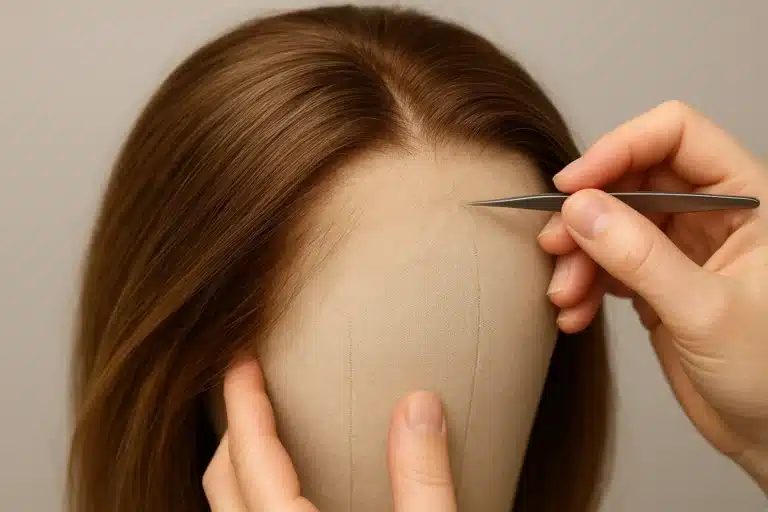
- 100% Hand-Tied Caps: Standard machine-wefted wigs have thick seams that can rub against bare skin. Hand-tied caps feature individual hairs tied to a soft, stretchy micro-mesh. They are significantly gentler and mimic natural hair movement.
- Double Monofilament or French Tops: These tops feature a double layer of soft material, preventing the knots of the hair from ever touching your scalp, offering maximum comfort for sensitive skin.
- Chemo Wig Liners: The secret weapon for many patients is a liner made of organic bamboo or pure silk. These prevent friction burns, regulate temperature, and wick away sweat.
The Hair Material Debate
Patients often assume human hair is the best choice because it is marketed as “premium.” However, when evaluating synthetic wigs vs human hair wigs for oncology patients, approximately 90% of oncology professionals and specialized stylists recommend high-quality synthetic hair. Synthetic wigs are significantly lighter, retain less heat, and require almost zero styling energy—a vital benefit when you are managing medical fatigue.
Vetted Local Directory: Finding a Medical Wig Store in San Jose
Finding the right physical location to touch, fit, and customize a wig is essential. For South Bay patients navigating the local healthcare ecosystems like Stanford Health Care or Kaiser Permanente Santa Clara, here is a localized guide to finding a specialized wig store in San Jose and the surrounding areas:
New Look Institute (Bascom Ave, San Jose)
- The Specialty: Trichological (scalp health) evaluations and custom medical-grade hair systems.
- Why They Stand Out: They provide a reassuring, clinical environment with private consultation rooms, making it ideal for patients dealing with long-term alopecia or severe medical hair loss who want a deeply customized approach.
Couture Hair Supply (Willow Glen, San Jose)
- The Specialty: Boutique styling and lightweight synthetic options with natural-looking densities.
- Why They Stand Out: If your goal is to perfectly match your pre-chemo look, their emphasis on personalized styling and natural hairlines makes them an excellent choice.
House of Wigs (Los Altos)
- The Specialty: A family-owned legacy boutique established in 1974 with a massive inventory of synthetic and blended wigs.
- Why They Stand Out: They have decades of experience handling chemotherapy and pediatric hair loss in a normalized, highly private setting. Their large stock means you have plenty of immediate options.
Celebration Salon Wigs and Extensions (Alamo)
- The Specialty: Serving the broader Bay Area, they specialize in advanced CRLAB CNC Hair Prosthetic Systems and custom toppers.
- Why They Stand Out: They are a premier destination for non-surgical medical hair restoration, offering highly customized attachments for complex hair loss scenarios.
Navigating the Financials: Insurance and Cranial Prostheses
The financial aspect of medical hair loss can be daunting. It is helpful to look at systemic care comparisons: In the UK, the National Health Service (NHS) provides medical wigs free of charge or heavily subsidized under standard prescriptions. In the US, patients must advocate for themselves using private insurance to achieve that same standard of care.
The most important rule: Never submit an insurance claim for a “wig.”
To secure reimbursement, you must submit a claim for a cranial prosthesis. Here is a quick breakdown of the process:
- Get a Prescription: Ask your doctor or oncologist for a prescription for a “Cranial Prosthesis.” It must include their NPI number and an ICD-10 diagnostic code (e.g., L63.9 for Alopecia, or C92.0 for Leukemia).
- The Billing Code: The standard HCPCS medical billing code your insurance company will recognize is A9282.
- The Invoice: When you purchase from a local San Jose boutique, ask them for an itemized invoice that explicitly states “Cranial Prosthesis” rather than “wig.”
Safe Maintenance and Scalp Health Under the Cap
Acquiring your cranial prosthesis is only the first step; maintaining your scalp health while wearing it is equally important.
- Safe Adhesive Removal: If you wear a lace front wig, never pull it off dry. Ripping the lace can tear fragile epidermal layers. Always use a specialized, medical-grade lace remover for wigs that is alcohol-free to gently dissolve the bond.
- Hypoallergenic Adhesives: For those who need extra security, standard wig glues can cause contact dermatitis on raw skin. Always seek out a medical-grade wig glue for sensitive skin that is formulated without harsh latex or toxic acrylics. Alternatively, glueless silicone grip bands are an excellent, adhesive-free way to secure your hair system.
- Let It Breathe: Your scalp needs time to heal. Take your prosthesis off at night. Wash your bare scalp with gentle, hydrating cleansers, allowing the skin to breathe for at least 8 hours a day.
Frequently Asked Questions About Medical Wigs
Will wearing a wig prevent my natural hair from growing back?
No. A properly fitted, breathable medical wig will not stifle your hair follicles or prevent regrowth. In fact, wearing a soft, organic bamboo liner under a breathable cap can actually protect your fragile new hair as it begins to sprout.
How do I handle scalp wounds or staples?
If you are recovering from neurosurgery or a scalp laceration, you must wait for your doctor to remove any staples or clear the wound for covering. Once cleared, rely on 100% hand-tied caps and ultra-soft silk liners to ensure zero friction on healing scars.
Are glueless silicone grip bands better than tape?
For patients currently undergoing chemotherapy or radiation, silicone grip bands are generally far superior to tapes and glues. They use the natural tension of a silicone band to hold the wig securely in place, completely eliminating the risk of chemical irritation or skin tearing during removal.
Your Next Steps for Scalp Healing and Confidence
Experiencing medical hair loss can feel like losing a part of your identity, but you do not have to navigate this transition alone or unprotected. By understanding the biological needs of your sensitive scalp and knowing exactly what to look for in a medical-grade cap, you are taking back control of your comfort and appearance.
Your next step is to advocate for yourself. Ask your oncologist for a cranial prosthesis prescription using the correct HCPCS codes, and schedule a private consultation with one of the specialized boutiques in the South Bay area. By prioritizing medical safety, gentle materials, and expert guidance, you can find a beautiful, natural-looking solution that protects your scalp and restores your confidence.