Navigating a new medical diagnosis like cancer or autoimmune alopecia is incredibly overwhelming. Between doctor appointments, treatment plans, and adjusting to a new physical reality, the emotional toll of hair loss can sometimes feel like the heaviest burden of all. You know you want to explore hair restoration options, but the prospect of figuring out what health insurance will cover—and which local retailers can actually help—often feels like learning a foreign language.
The good news is that you don’t have to go through this alone, and there are structured pathways to secure financial coverage for your medical hair loss solutions. To help you navigate your local options, we highly recommend starting with a curated directory that evaluates the best wig stores in San Jose, focusing on businesses that understand the unique emotional and medical needs of their clientele. But before you walk into a salon, you need to understand the fundamental difference between buying a cosmetic accessory and filing a legitimate medical claim.
This guide will decode the complex landscape of health insurance, break down California’s groundbreaking new legislation, and provide you with a step-by-step blueprint to confidently claim your medical benefits.
The Golden Rule of Billing: It’s Not a Wig
The single most common mistake patients make when seeking insurance reimbursement is using the wrong terminology.
If you submit a claim to your insurance provider for a “wig,” it will almost certainly trigger an automatic computer-generated denial. In the eyes of major health insurers, a wig is considered a cosmetic fashion accessory. To secure coverage, you must be prescribed a cranial prosthesis.
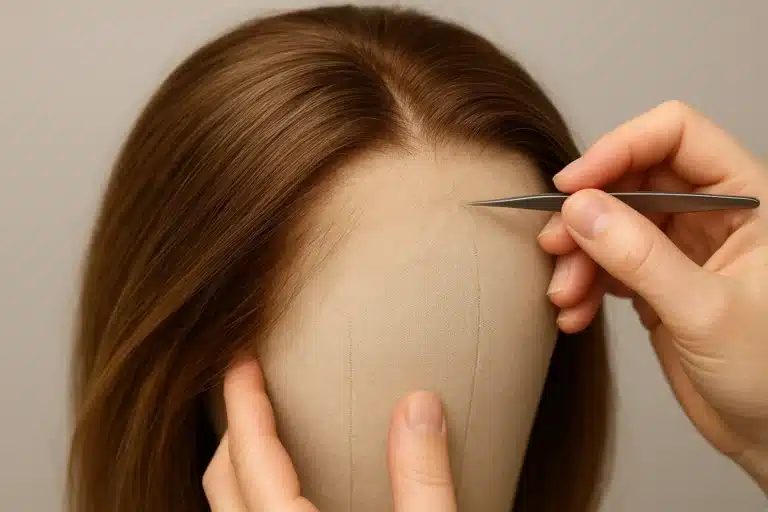
A cranial prosthesis is a highly specialized piece of Durable Medical Equipment (DME). Unlike fashion wigs, cranial prostheses are custom-designed for individuals with sensitive scalps undergoing medical treatments. They feature specialized base cap constructions, breathable materials, and secure fitments designed for total hair loss rather than simply covering thinning hair.
The “Lingo Lifesaver”
When you speak to your doctor about writing a prescription, you must ensure they use the correct medical terminology.
- Incorrect Prescription: “Wig for hair loss”
- Correct Prescription: “Cranial hair prosthesis for medical hair loss secondary to chemotherapy. HCPCS Code: A9282. ICD-10 Code: [Insert Your Diagnosis Code here, such as L63 for Alopecia Areata or C50 for Breast Cancer]”
The two most important billing codes to memorize are HCPCS A9282 and S8095. These are the specific alphanumeric codes insurance companies use to classify cranial prostheses.
The California Advantage: Understanding the AB 2668 Mandate
If you live in San Jose, you are currently benefiting from one of the most progressive medical hair loss legislative frameworks in North America.
Historically, coverage for cranial prostheses varied wildly depending on your specific health plan. However, California Assembly Bill 2668 (AB 2668), effective January 1, 2025, changed the landscape entirely. This state law mandates that all health plans operating in California must cover cranial prostheses for medical hair loss up to $750 every 12 months.
How the $750 Benefit Actually Works
While AB 2668 is a massive victory for patients, it’s crucial to understand how it interacts with your existing insurance policy. The law does not necessarily mean you receive a free $750 wig on day one. This benefit is subject to your plan’s standard deductibles and coinsurance.
If you have a High-Deductible Health Plan (HDHP) and haven’t met your deductible yet, you will still pay out-of-pocket for your prosthesis (up to your deductible amount), though you will receive the insurance company’s negotiated rate. If you have already met your out-of-pocket maximum through other medical treatments, your cranial prosthesis may be covered entirely up to that $750 cap.
The Cross-Regional Reality Check
To understand how fortunate California residents are, it helps to look at the broader national and international landscape. Across North America, patients must navigate incredibly fragmented systems. Whether a patient is researching medical wigs in Toronto or medical wigs in Oakville relying on Canada’s provincial Assistive Devices Program, or searching for wigs for cancer patients in Houston TX, wigs for cancer patients in Dallas TX, wigs for cancer patients Albany NY, wigs for cancer patients Memphis TN, medical wigs Atlanta, wigs for cancer patients Pittsburgh PA, or wigs for cancer patients Jacksonville FL—they all face different state-level hurdles.
For example, a patient searching for medical wigs in states without protective mandates often relies purely on the goodwill of their specific employer-sponsored plan. Conversely, in California, whether you are looking for wigs for chemo patients san diego or navigating San Jose’s local clinics, the AB 2668 mandate guarantees that the benefit exists by law. Even when seeking a cranial prosthesis in cities with strong medical hubs, patients often lack the guaranteed baseline financial protection that California now offers.
San Jose Retailer Directory: Who Actually Helps?
A common point of confusion for patients is the difference between standard retail wig shops and certified Durable Medical Equipment (DME) providers. High-volume fashion beauty supplies rarely carry the National Provider Identifier (NPI) or Tax ID numbers required to validate medical claims.
When shopping in the South Bay, you will generally encounter two types of businesses:
1. Medical Hair Restoration Specialists
Businesses like the New Look Institute (located on Bascom Ave in San Jose) are structured as clinical, solution-oriented service providers. They specialize in custom 3D-molded CRLAB systems and trichology. Because their primary focus is medical, they are uniquely equipped to provide the precise tax-itemized invoices and NPI numbers your insurance company requires. They also often partner with local initiatives like “Wigs for Kids” (coordinated locally by advocates like Kim Roman), establishing deep medical credibility. Similarly, regional specialists like Celebration Salon in the wider Bay Area offer private, sensitive consultations tailored for medical hair loss.
2. Traditional Fashion & Retail Stores
Stores like Couture Hair Supply or Miallie Hair and Beauty are fantastic local resources for everyday styling and fashion purchases. However, if you purchase a medical wig here, you must be prepared to pay upfront and rigorously self-file your insurance claims. These retail-first shops generally do not direct-bill insurance companies, and you will need to ask their management specifically for an itemized receipt detailing your purchase as a cranial prosthesis.
The Step-by-Step Claim Filing Blueprint
To secure your reimbursement, you must compile a “bulletproof” claim package. Insurance companies look for any missing documentation to deny a claim. Before you buy your cranial prosthesis, ensure you have gathered the following:
- The Correct Prescription: Written for a “Cranial Prosthesis” (never a wig) featuring your specific ICD-10 diagnosis code.
- A Letter of Medical Necessity (LMN): A brief, signed letter from your oncologist or dermatologist explaining why the prosthesis is essential to your mental well-being and physical recovery during treatment.
- An Itemized Sales Receipt: Procured from your San Jose retailer. It must show the HCPCS billing code (A9282 or S8095) and the salon’s NPI or Tax ID number.
- The CMS-1500 Form: This is the standard medical claim form. If your insurance portal requires self-filing, you will likely need to fill this out or use your provider’s specific member claim form.
Frequently Asked Questions (FAQ)
How do I know if my specific insurance plan covers a cranial prosthesis?
You will need to check your plan’s Evidence of Coverage (EOC) document, usually available through your online member portal. Search the document for terms like “Durable Medical Equipment,” “Prosthetics,” or “Cranial Prosthesis.” In California, thanks to AB 2668, all state-regulated plans must offer this benefit, though self-funded employer plans may occasionally differ.
What if my insurance claim is denied?
Do not panic. Denials are incredibly common and are often triggered by minor coding errors or missing documents. If you receive a denial, you have the right to an Appeals Process. Call your insurance provider, request the specific reason for the denial, and ask if resubmitting the claim with an updated Letter of Medical Necessity or corrected HCPCS code will resolve the issue.
Are there alternative funding sources if I cannot afford my deductible?
Yes. If your out-of-pocket costs remain too high, there are several non-profits that assist patients. Organizations like the National Alopecia Areata Foundation (NAAF) and BreastCancer.org offer incredible resources, and local hospital oncology departments often have social workers who can connect you with regional grants and supportive funds.
Your Next Steps Toward Confidence
Taking the first step toward restoring your hair during a medical journey requires patience, but you are armed with the knowledge to succeed. By understanding the critical terminology, leveraging California’s AB 2668 mandate, and choosing San Jose retailers that understand the nuances of medical billing, you can dramatically reduce the stress of the financial process.
Begin by requesting a Letter of Medical Necessity from your doctor today. With your paperwork in hand, you’ll be ready to consult with a compassionate hair restoration specialist who can help you reclaim your confidence, beautifully and securely.