Experiencing medical hair loss—whether due to oncology treatments or an autoimmune condition like alopecia—can feel like navigating an entirely new, overwhelming world. Between managing your health, attending medical appointments, and adapting to physical changes, the last thing you need is a confusing search for a comfortable, natural-looking hairpiece. You aren’t just looking for a fashion accessory; you are seeking an extension of yourself that restores your confidence during a deeply vulnerable time.
Knowing where to start your search locally is often the hardest part. If you’re overwhelmed by the landscape of local boutiques and complex insurance policies, you’re not alone. That’s why we’ve created this resource on finding the best wig stores in Portland, OR: a complete guide to medical consultations and insurance assistance. This guide will walk you through everything from decoding the secret language of medical billing to discovering the most compassionate wig store portland residents trust for private fittings.
The Anatomy of a Medical Wig: What Makes It Different?
When you begin researching solutions for hair loss, you will quickly discover that not all wigs are created equal. A standard fashion wig found at a beauty supply store is designed for occasional wear by someone with a full head of hair. In contrast, medical hair loss wigs are engineered specifically for bare, sensitive scalps.
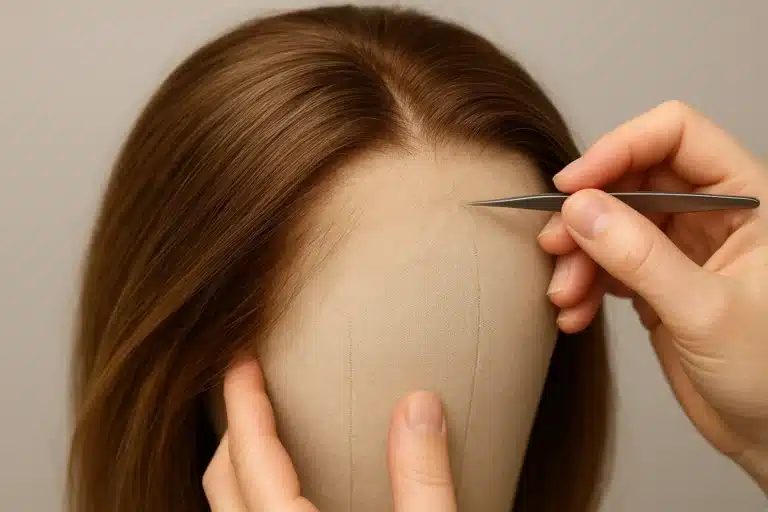
Treatments like chemotherapy can leave the scalp extremely tender. Because of this, medical-grade options often feature specialized cap constructions. For example, hand tied wigs feature individual hairs meticulously tied to a soft, stretchy cap, eliminating irritating seams and providing an incredibly natural drape. Other features, like double monofilament tops and silicone-grip strips, ensure the piece stays secure without the need for harsh adhesives.
You will also face the choice between synthetic fibers—which are cost-effective and hold their style after washing—and human hair wigs, which offer unmatched natural movement, heat-styling versatility, and longevity.
The Medical vs. Cosmetic Difference: Speaking Your Insurance Company’s Language
One of the biggest hurdles individuals face is getting financial reimbursement for their hair replacement. Here is the most crucial piece of information you need to know: health insurance companies view the word “wig” as a cosmetic item.
To unlock insurance coverage, you must change your terminology. In the medical billing world, a wig prescribed for medical hair loss is called a cranial prosthesis. When properly documented, a cranial hair prosthesis is classified as Durable Medical Equipment (DME), shifting it from an out-of-pocket cosmetic luxury to a medically necessary device. Changing this single phrase on a doctor’s prescription is often the difference between a swift denial and a full reimbursement.
The Insurance Blueprint: Decoding Codes and Claim Processes
Before you step foot in a store, it’s vital to understand how the purchasing and reimbursement process actually works.
The Direct Billing Myth
Many online resources imply that your insurance company will pay a local wig boutique directly. In reality, almost all specialized boutiques require you to pay for your hairpiece upfront. The store will then provide you with a detailed, itemized receipt that you must self-file with your insurance company for reimbursement.
Step-by-Step Claims Checklist
To ensure your claim for medical wigs is approved, follow these technical steps carefully:
- Get the Right Prescription: Ask your doctor for a prescription specifically for a “Cranial Hair Prosthesis.” Ensure they include the correct ICD-10 diagnosis code (e.g., L63.9 for Alopecia Areata or T45.1X5A for Chemotherapy-induced hair loss).
- Secure a Letter of Medical Necessity (LMN): Have your oncologist or dermatologist write a brief letter explaining why the prosthesis is vital for your mental health and physical recovery.
- Use the Correct Billing Code: When calling your insurance or submitting your claim, ensure you reference CPT/HCPCS code A9282 (Cranial hair prosthesis).
- The Insurer Call Script: Before shopping, call your insurance provider and ask: “Does my policy cover HCPCS code A9282 under Durable Medical Equipment? Are there in-network requirements, and what is my maximum allowance?”
Portland’s Premier Medical Wig Providers
Finding a local boutique with private fitting rooms and specialized knowledge of medical hair loss is essential. While the need for compassionate, specialized care spans the country—from individuals finding local experts in Oregon to those seeking custom hair wigs for alopecia in chicago—Portland boasts several highly reputable providers.
Here is an up-to-date look at the top local specialists in the Portland metro area:
Brenda Kay Hair Specialties (Downtown Portland, OR)
With over 40 years of experience in medical hair loss, Brenda Kay is a cornerstone of the Portland community. They operate strictly by appointment to guarantee you have access to their private fitting suites. While they do not bill insurance directly, they excel at providing the highly detailed invoices required for your A9282 insurance claims.
Wigland (NE Broadway, Portland, OR)
A family-owned staple with a massive inventory, Wigland is known for expert custom styling. They offer a supportive 10% medical discount for patients experiencing medical hair loss. Like most boutiques, you will need to pay upfront and self-file your insurance claim using the receipt they provide.
Coco’s Hair Solutions (Hillsboro, OR)
Located just outside of Portland, Coco’s Hair Solutions is run by a certified wig specialist who takes an empathy-first approach. They offer private consultation rooms and heavily focus on client education, walking you through everything from maintenance to invoicing assistance.
Hair Replacement Systems / HRS (Tualatin, OR)
HRS focuses deeply on trichology and scalp health. For those needing custom medical-grade systems, they offer deeply private consultations and are well-versed in helping clients gather the necessary paperwork to support their insurance claims.
Giving Back: Local Hair Donation
For those on the other side of the journey—or family members wanting to show solidarity—donating hair is a beautiful way to give back. Several local salons in the Portland metro area partner with organizations to collect ponytails that are used to create high-quality human hair wigs for cancer patients. Always check with specific organizations for their length and chemical-treatment requirements before making the cut.
Frequently Asked Questions (FAQ)
Does health insurance cover wigs for medical hair loss?
Yes, many insurance plans cover partial or full costs, provided the hairpiece is prescribed as a “Cranial Prosthesis” and billed under Durable Medical Equipment (DME) using HCPCS code A9282. Standard Medicare, however, currently does not cover cranial prostheses, though some Medicare Advantage plans might.
What is the difference between a fashion wig and a medical wig?
Fashion wigs are built for durability over an existing head of hair, often using harder lace and standard wefts. Medical wigs are specifically designed for sensitive, bare scalps. They utilize softer materials, silicone grips, and hand-tied caps to prevent friction, rashes, and discomfort.
Are there specific options for African American patients experiencing hair loss?
Absolutely. High-quality human hair wigs can be sourced and styled by local experts (like those at the boutiques mentioned above) to perfectly match natural textures, from relaxed styles to deep curls and coils.
How do I appeal a denied insurance claim for code A9282?
Don’t panic—initial denials are common. Check the denial reason. Often, the doctor accidentally wrote “wig” instead of “cranial prosthesis” on the prescription. Request a revised prescription and a strong Letter of Medical Necessity from your doctor, and submit an appeal letter explaining the medical nature of your condition.
Next Steps in Your Hair Restoration Journey
Navigating medical hair loss is a profound transition, but you do not have to walk this path alone or unequipped. By understanding the critical difference between cosmetic terminology and medical billing codes, you are already steps ahead in securing the financial assistance you deserve.
Take a moment to review your insurance policy, reach out to your dermatologist or oncologist for a properly worded prescription, and call one of Portland’s specialized boutiques to schedule a private, compassionate consultation. Armed with the right information, you can find a solution that helps you feel beautiful, comfortable, and, most importantly, like yourself again.