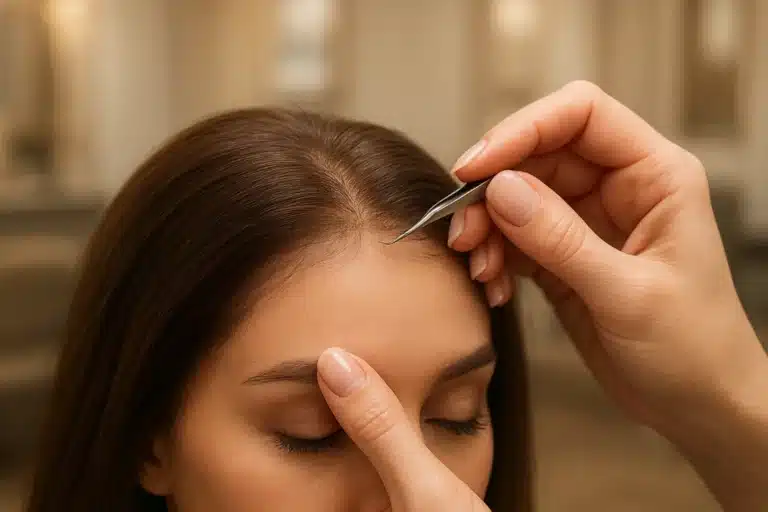
Experiencing hair loss—whether from chemotherapy, alopecia, or natural thinning—is an intensely vulnerable journey. The mirror reflects a reality you might not be ready for, and suddenly, you are thrust into a world of unfamiliar terms, textures, and choices. For first-time buyers, finding the right hairpiece is not merely a retail transaction; it is a restorative milestone that reclaims your confidence and identity.
If you are beginning to evaluate the best wig stores in Washington, DC, it helps to view this not as a simple shopping trip, but as a journey to find clinical-level education, empathy, and custom craftsmanship. Navigating this landscape requires understanding both the psychological hurdles and the technical elements of modern cranial prostheses. This guide is your compassionate roadmap to making an empowered, comfortable choice in the DMV region.
The Emotional and Sensory Reality of First-Time Buying
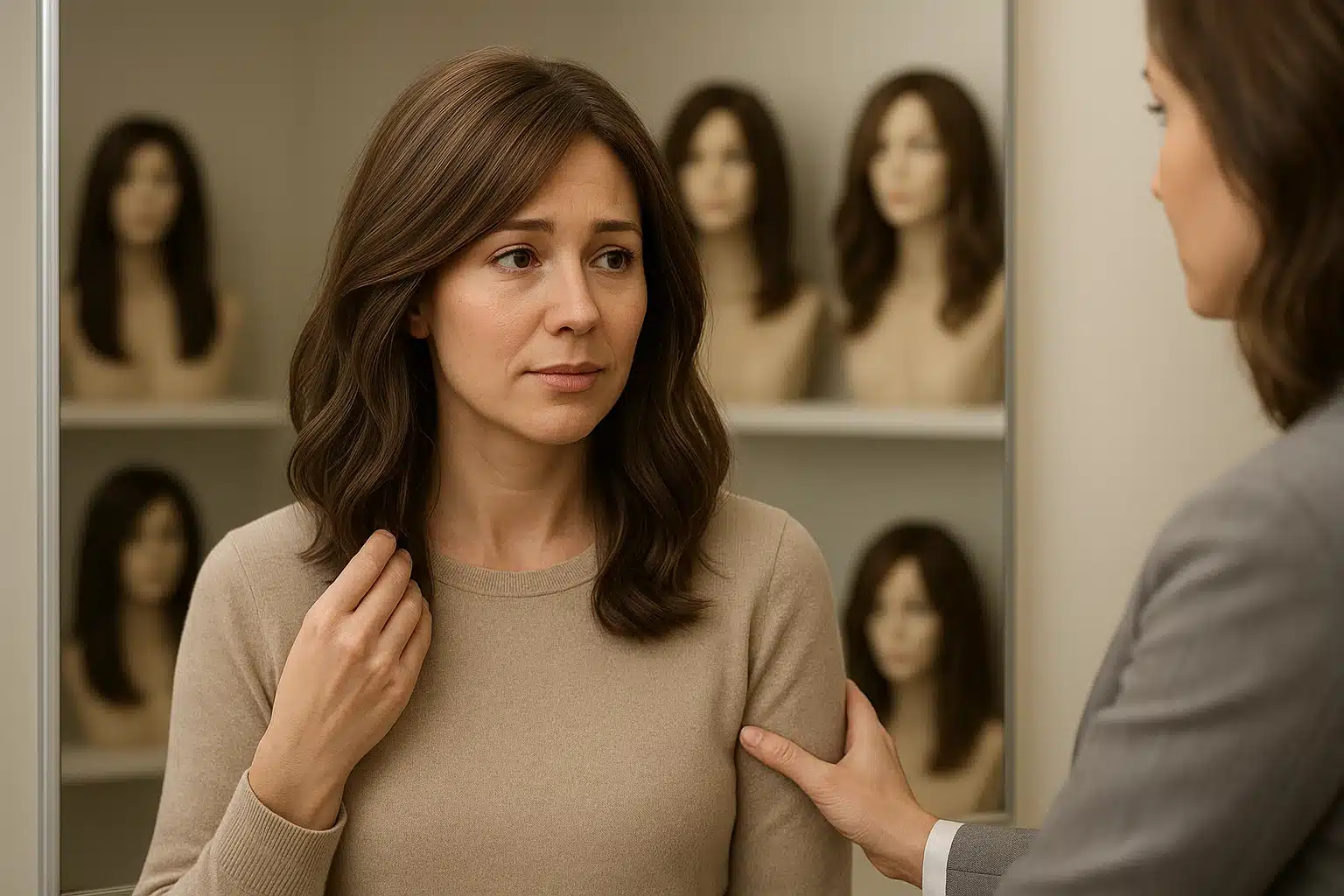
Most first-time buyers approach a wig consultation with a cluster of very valid fears: Will everyone know I’m wearing a wig? Will the cap irritate my sensitive scalp after chemo? How do I even transition from my biological hair to a wig?
These questions mark the “Safety Phase” of buying. Before you even look at styles or colors, you need to feel psychologically and physically safe. A truly supportive wig boutique understands that a newly bare or thinning scalp is highly sensitive. They won’t rush you into a purchase; instead, they will provide private consultation rooms and guide you step-by-step through materials designed specifically for medical hair loss.
Decoding Wig Types, Caps, and Security (The Fundamentals)
To demystify the process, it helps to understand the anatomy of a premium wig. Once you know what to look for, the overwhelming wall of choices becomes much easier to navigate.
Cap Construction 101: The Anatomy of Comfort
The base of the wig, known as the cap, determines how the piece feels against your scalp.
- Monofilament Tops: These feature hair tied to a sheer, breathable mesh, replicating the natural direction of hair growth and allowing you to part the hair anywhere.
- 100% Hand-Tied Backs: Every single hair is individually knotted into a soft, stretchy cap. This eliminates the friction of traditional machine-sewn wefts, making it the gold standard when looking at wigs for sensitive scalps.
The Science of Security
The fear of a wig slipping in public is universal for beginners. Today’s technology offers multiple ways to keep your hair secure:
- Adhesives and Tapes: For those with total hair loss, surgical-grade tapes and hairpiece adhesives provide a high-strength, multi-week hold. When exploring liquid options, beginners often scour the internet for the best glue to make a wig feel secure or the best got2b glue for frontal wig styling for a temporary, residue-free hold.
- Adhesive-Free Vacuum Grips: Advanced custom wig makers can create a gentle suction seal using the natural heat of your scalp, bypassing chemicals entirely.
Human Hair vs. Synthetic
While synthetic fibers have come a long way (they hold their style after washing and are budget-friendly), human hair wigs offer unmatched longevity, natural movement, and styling versatility. They require more maintenance, but for many, the investment in a high-quality human hair piece feels closest to their biological hair.
At-Home Storage and Tools
Caring for your wig requires a few essential tools. To maintain the shape of your cap at night, you will need a sturdy mannequin head for wigs. While a lightweight styrofoam head for wigs is excellent for traveling, a professional canvas block head is best for washing and blow-drying at home.
Top Supportive Boutiques in the DMV Region
Instead of relying on generic directories that rank shops by star ratings alone, look for specialized sanctuaries that prioritize medical-centric support and custom tailoring.
- High Definition Hair (Washington, DC): Known for treating wig construction as a bespoke engineering feat. They pioneered a patent-pending scalp replica process that matches the exact contour of your head, allowing the wig to secure via natural vacuum suction without glues or clips.
- Eivind and Hans of Georgetown (Washington, DC): A luxury, salon-based experience heavily tailored to oncology support. Led by award-winning stylists, this boutique offers discreet, private styling suites and compassionate, highly personalized consultations for cancer patients.
- Joi Wig Salon (Washington, DC): Operating as an ultra-supportive, medical-centric haven, this salon specializes in lightweight, highly breathable cap constructions designed specifically for irradiated or highly sensitive scalps.
- Frederick Wig Company (Frederick, MD): Located just outside the immediate DC metro, this shop offers a warm, community-oriented space with an extensive in-stock selection. It’s a wonderful destination for those who want to touch, feel, and try on pieces in a relaxed, private setting.
The Custom-Made Process vs. Display Retail
There is a vast difference between picking a ready-to-wear piece off a shelf and investing in a custom cranial prosthesis. When you visit a discount beauty supply store, you generally see mass-produced pieces draped over cheap wigs for mannequins.
In a premium atelier, the process is heavily tailored. Professional stylists use precision tools, taking meticulous head measurements to select the best size mannequin head for wig making before customizing the foundation. They will thin the density, customize the hairline, and use the best scissors for cutting wigs to ensure the mesh lace doesn’t fray and the hair falls perfectly around your specific facial structure.
The First-Time Buyer’s Consultation Checklist
Ready to book your first appointment? Follow this actionable blueprint to ensure a smooth, supportive experience:
- Get a Medical Prescription: If your hair loss is medical (chemotherapy, alopecia), ask your doctor for a prescription for a “cranial prosthesis“. This exact medical terminology and associated billing codes can help you get health insurance to reimburse a significant portion of the cost.
- Book a Private Suite: Call ahead and ask if the boutique has private consultation rooms. You deserve a safe space away from standard salon traffic.
- Bring Reference Photos: Bring pictures of your natural, biological hair in natural lighting to help the stylist match your preferred color and density.
- Insist on Custom Cutting: A wig should be cut and trimmed while it is on your head so the fringe and layers frame your face properly.
Frequently Asked Questions (FAQ)
Will my wig look fake?
Not if it is fitted and customized correctly. Features like a temple-to-temple lace front create an invisible hairline, while a monofilament top gives the illusion of hair growing directly from your scalp. Customizing the cut to your face shape is the final step in making it look entirely natural.
How do I navigate insurance for a wig?
Always use the term “cranial prosthesis” or “hair prosthesis” rather than “wig” when speaking to your insurance provider. Many policies cover 80% to 100% of the cost if your hair loss is due to a medical condition. You will need a prescription and a detailed receipt from the wig boutique containing the proper medical codes.
Wig World Curiosities: Wigs for Pigs and Goats?
As you dive deep into hair loss research online, you might stumble across bizarre search terms like “wigs for pigs” or “wigs for goats”. You might wonder if there is an underground market for livestock hairpieces! Rest assured, farm animals do not need styling. In business settings, “WIGs and PIGs” actually refers to a corporate goal-setting framework (Wildly Important Goals and Pretty Important Goals). For actual wig makers, the real work happens using precise tools designed for humans, not miniature pigs or goats!
Taking Your Next Steps
Losing your hair can feel like losing a piece of yourself, but finding the right wig is a powerful step toward reclaiming your confidence. As you begin your search among the best wig stores in Washington, DC, prioritize boutiques that offer empathy, privacy, and clinical education over a quick sale.
Remember, you are the director of this journey. Take your time, ask technical questions about cap construction, and lean on the expertise of compassionate professionals who understand the nuances of medical hair loss. Armed with the right knowledge, you are well on your way to finding a piece that makes you feel beautiful, secure, and entirely yourself again.